My introduction to pop culture came at home: my dad taught me Tekken 3 and later nudged me toward anime with landmark films like Tekken 3, Akira, and Princess Mononoke. But his attempts at selling me on sci‑fi fell flat: Godzilla and Star Wars felt distant and sterile. Then one afternoon a cable airing of The Fifth Element changed everything — I finally found a future I could inhabit.
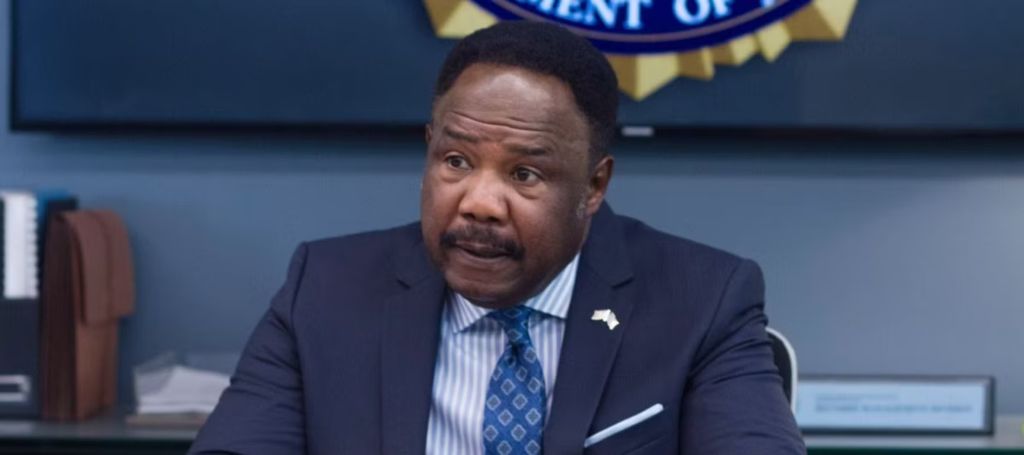
Where Star Trek struck me as too formal and Star Wars as too mythic, The Fifth Element presented a future that felt immediate and familiar: a layered, vertical New York that resonated with my Bronx upbringing, a Black president portrayed as ordinary rather than gimmicky, and a wildly flamboyant radio personality who broke gender and style expectations long before such portrayals became commonplace. Casting choices helped sell that world — Tommy “Tiny” Lister Jr. and Chris Tucker arrived already on my radar from Friday, so seeing them here made the film feel like home. For me, it became the Star Wars of my childhood, and its resurgence on streaming charts — notably climbing on Tubi — is a good excuse to revisit a movie that often gets underrated.
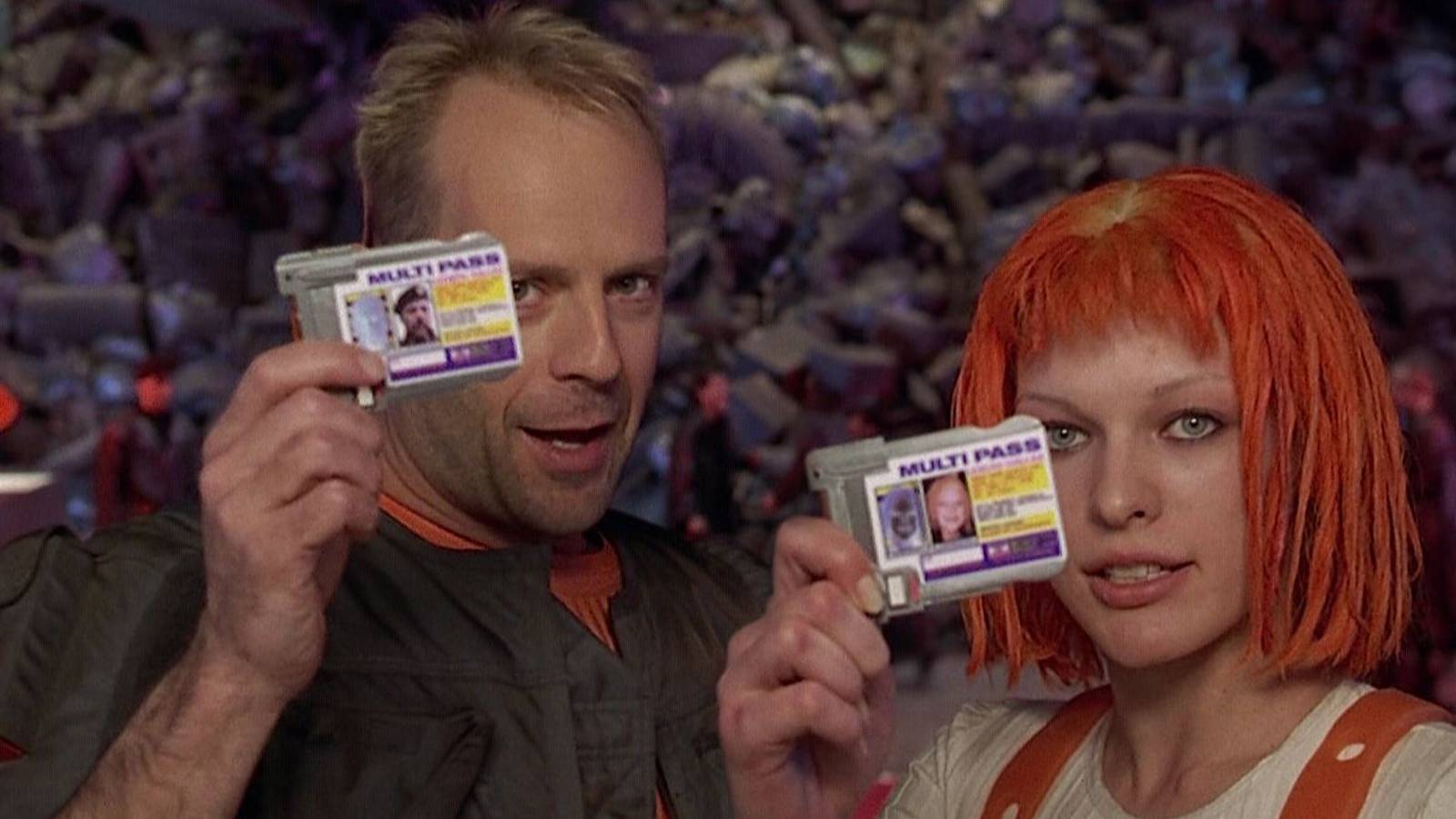
At its heart, the film is pulpy, neon-drenched space opera. Leeloo — a bioengineered “perfect being” — abruptly enters the life of taxi driver and ex-soldier Korben Dallas, who becomes her reluctant guardian. Joined by a devout priest who understands an ancient prophecy and an over-the-top radio host who gets swept up in the chaos, they race through a futuristic metropolis and beyond to gather four elemental stones. When combined with Leeloo as the fifth element, the stones are humanity’s only shield against a returning cosmic menace.
Director Luc Besson brought his flair for formidable female leads to the film, launching Milla Jovovich into the spotlight in a role that foreshadowed her later action stardom. Bruce Willis anchors the production with a gruff, physical Korben, while Gary Oldman relishes the theatricality of villainous industrialist Zorg. Ian Holm lends gravity as the priest balancing the story’s wilder impulses. The casting also yields delightful surprises—Tommy Lister Jr. and Chris Tucker add personality and warmth, a small but memorable part is performed by the British artist Tricky, and a young Vin Diesel provides an uncredited voice cameo.

Besson’s vision feels both inventive and lived‑in: towering, stacked cityscapes threaded with sky‑traffic, commercial starliners that travel the solar system, and a future fashion sensibility that is as theatrical as it is functional. Rather than borrowing wholesale from established franchises, the film mixes blockbuster scale with a distinctly human point of view — characters who speak, dress, and behave like people you could know. Representation is woven into the fabric of that world; Black characters are present without being reduced to caricature, and the film treats a Black president as an unremarkable fact of the future.
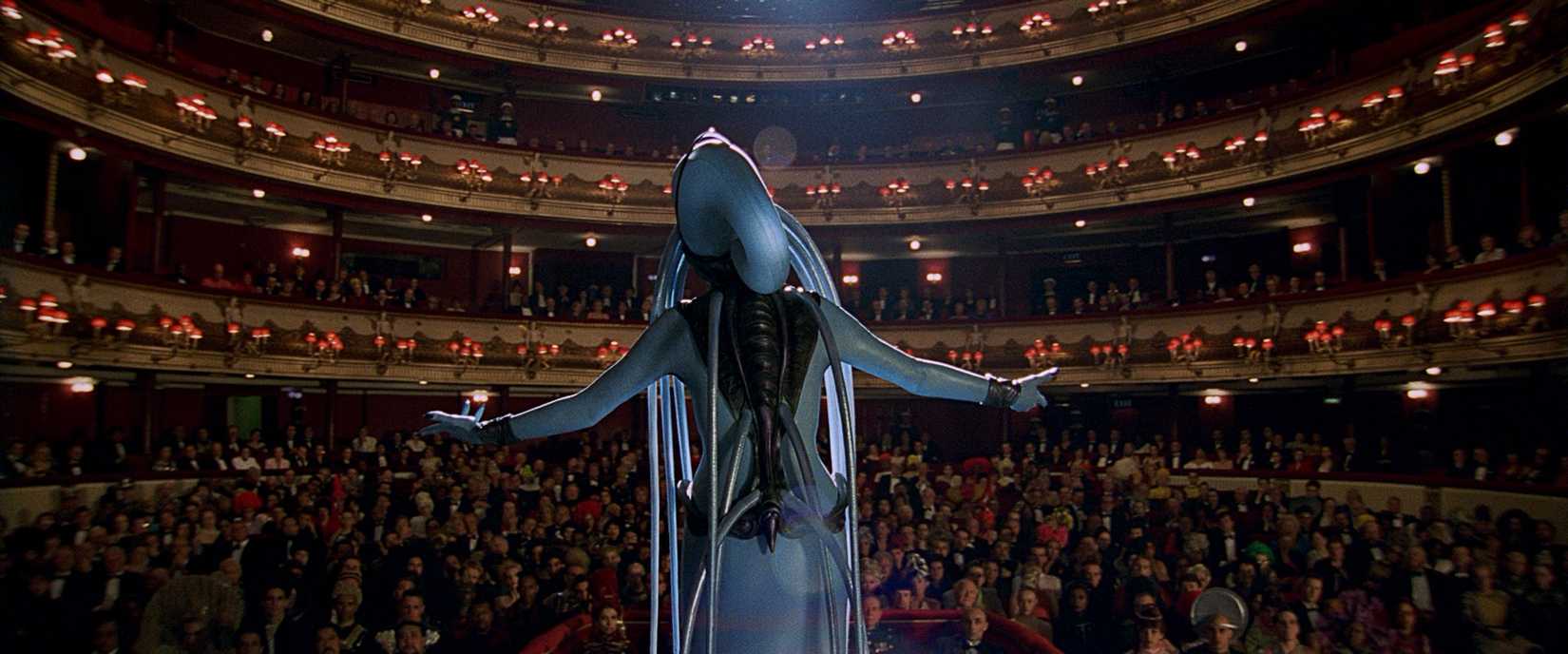
One sequence that still shocks and delights is the Diva’s performance — an operatic introduction that abruptly morphs into a pounding, modern remix while Leeloo dispatches foes elsewhere on the ship. As a child I thought of classic cartoon operas like “What’s Opera, Doc?”; revisiting it, the scene’s melodramatic choreography and tonal shifts now feel intentionally audacious, part earnest spectacle and part playful pastiche.
The film’s finale leans into schmaltz: among the classical elements, love is revealed as the true fifth element, unlocked when Korben admits his feelings for Leeloo. It’s sentimental and a little ridiculous — and precisely because of that it works. Great sci‑fi pulp often lives on the edge between the absurd and the grand, and The Fifth Element hits that sweet spot with humor and heart. For me, it was more than entertainment; it was the gateway that made the genre feel accessible. Even after dozing through other blockbusters as a kid, I would eagerly return to this one.
The Fifth Element is currently available to stream on Tubi.
Source: Polygon