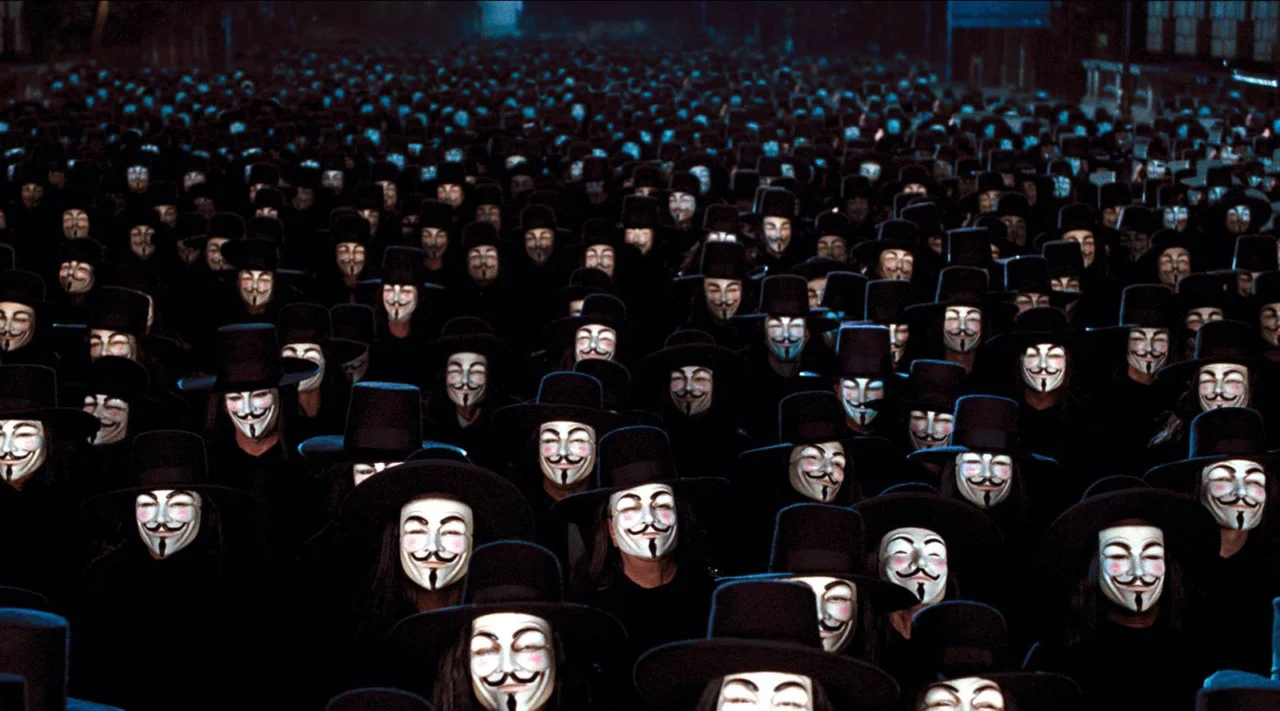
Twenty Years Since an Iconic Director Duo’s Ahead-of-Its-Time Dystopian Masterpiece

The definition of a “perfect adaptation” is largely a matter of perspective, but for the iconic comic book author Alan Moore, the 2005 cinematic reimagining of V for Vendetta was a fundamental betrayal. Scripted by Lana and Lilly Wachowski and helmed by James McTeigue, the film was, in Moore’s eyes, a hollowed-out version of his graphic novel. While the original work explored the complex friction between anarchy and the Thatcherism-era fascism of 1980s Britain, Moore argued that the directors reduced these weighty themes to a simplistic clash between modern American liberalism and neo-conservatism. Disillusioned by this shift in focus, he famously scrubbed his name from the project before its March 17, 2006, debut.
While I can appreciate Moore’s frustration regarding the “softening” of his political nuances to suit a Western blockbuster audience, the Wachowskis’ depiction of a creeping British fascism feels increasingly prophetic. Decades later, the film’s atmosphere of manufactured crisis and state-sponsored division resonates with an eerie modern clarity.

Set against the backdrop of a grim, near-future United Kingdom, V for Vendetta introduces us to V (Hugo Weaving), an enigmatic anarchist in a Guy Fawkes mask. He enlists the help of Evey Hammond (Natalie Portman) to dismantle the Norsefire party—a theocratic, totalitarian regime led by the iron-fisted High Chancellor Adam Sutler (John Hurt). Under Sutler’s rule, the nation is kept in line through relentless propaganda and the weaponization of fear. V sparks a revolution by detonating the Old Bailey and seizing control of the state-run media to issue a public decree: a call for the citizenry to join him outside the Houses of Parliament on the 5th of November to reclaim their lost liberty.
It is impossible to ignore the distinct American flavor the Wachowskis infused into the narrative. From the occasionally jarring accent of its lead actress to a backstory where the collapse of the United States serves as the catalyst for Norsefire’s rise, the film is deeply rooted in transatlantic anxieties. At the time, many viewed it as a thinly veiled critique of the George W. Bush administration and the socio-political fallout of 9/11. To some, this was a radical statement of patriotic dissent; to others, it felt like an oversimplification of the source material’s British identity.

There exists a persistent myth that British society is too “civilized” to fall for the demagoguery seen elsewhere—that a culture of politeness acts as a shield against far-right extremism. History and current events suggest otherwise. In 2006, the fictional BTN network seemed like a caricature of Fox News. However, in the current media landscape, it mirrors the emergence of British outlets like GB News, which have been criticized for marginalizing minority groups and fueling hostility toward immigrants through inflammatory rhetoric.
The film’s “Voice of London,” Lewis Prothero (Roger Allam), serves as a chilling avatar for the modern agitator. His broadcasts against the LGBTQ+ community and religious minorities weren’t just rants; they were the ideological fuel for ethnic and social cleansing. His tactics bear a striking resemblance to contemporary figures such as Tommy Robinson, the anti-Islam activist and former leader of the English Defence League. Robinson’s history of spreading misinformation eventually led to legal consequences in 2024, yet the social friction he helped ignite remains. While Robinson may have faced the judiciary, the fact that such incendiary figures have gained significant platforms suggests the film’s dystopian vision of Britain wasn’t as far-fetched as critics once believed.

Moore’s critiques in 2006 were based on the preservation of his original intent, but time has vindicated the Wachowskis’ adaptation in a way no one expected. What was once dismissed as a focus on “American anxieties” has revealed itself to be a stark reflection of a Britain that is increasingly fractured and susceptible to the very authoritarianism the film warns against.
Source: Polygon
Related articles
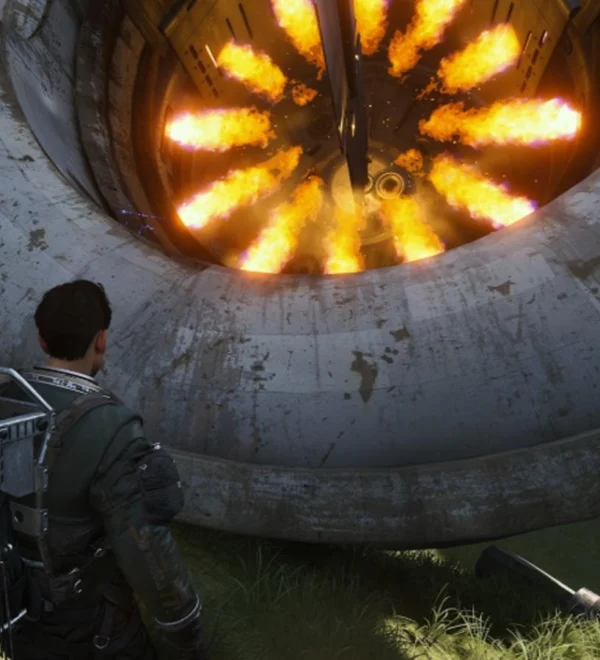 Toxic Arc Raiders Players Found a Way to Harass Others in PvE Mode
 First Look at Drova II Torn Lands, Sequel to the Pixel Art Gothic-Like RPG
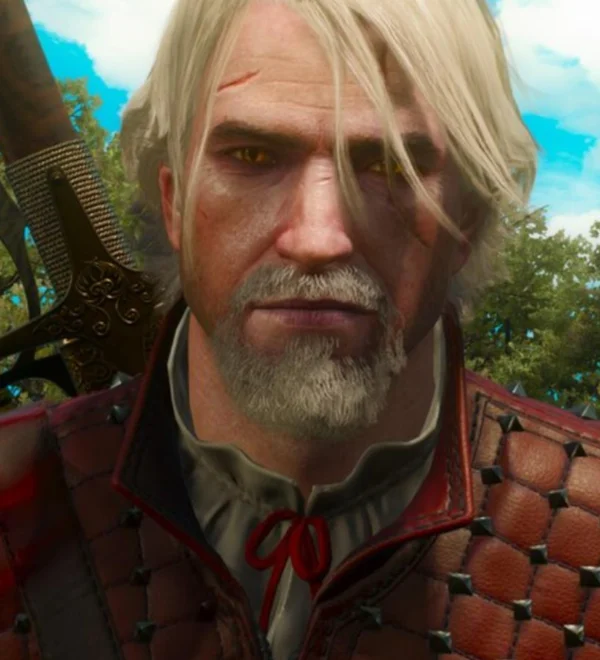 CDPR Didn’t Expect Such Big Interest in The Witcher 3 Remaster, Which Set a New Record
 9 Best Single-Player Zelda-Like Games Nobody Plays, Ranked
 The Video Games And More You Should Play This Weekend – October 16, 2026
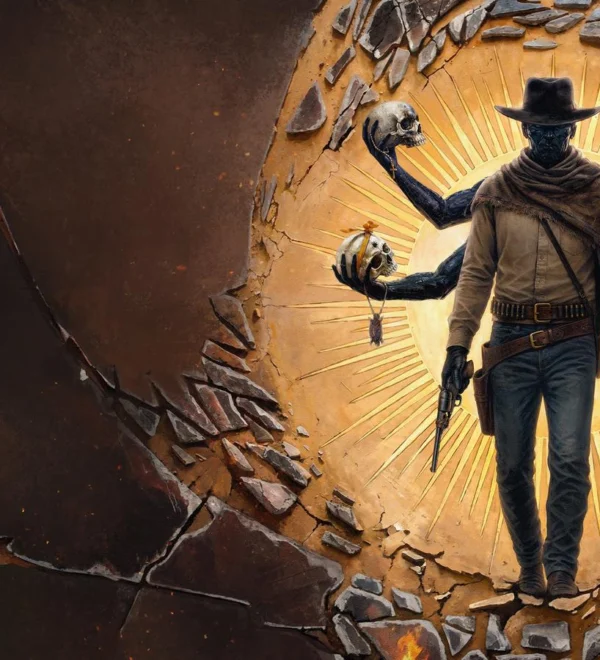 Soulslike Shooter Guns of Eschaton, Viktor Antonov’s Last Project, Gets New Trailer With Release Date
 Experts Identify Cause of The Witcher 3 Performance Problems Even an RTX 6090 Wouldn’t Fix
 The Wolf Among Us to Get October Remaster With Cut Scenes and Noir Mode