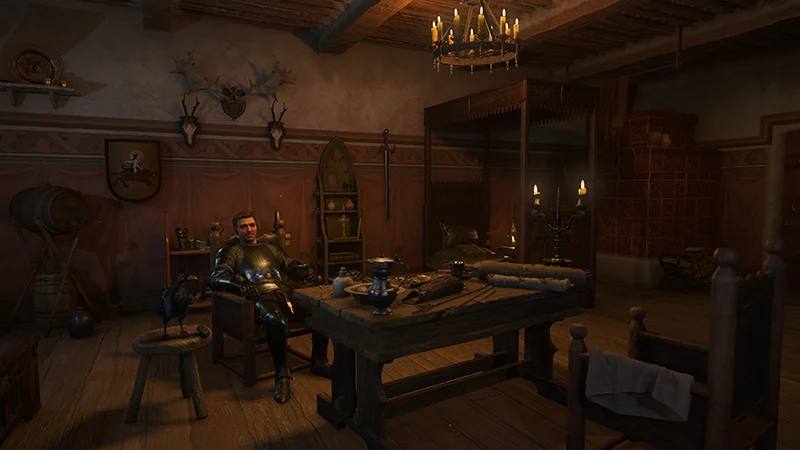
The Warhorse Journey: From “Dungeons, No Dragons” to 10 Million Copies Sold
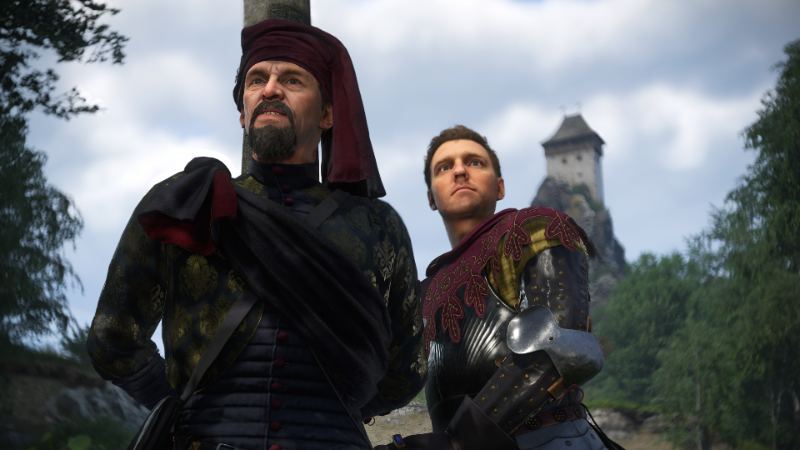
Established in 2011, Warhorse Studios began as a daring independent venture with a singular objective: to forge a historically authentic open-world RPG. That project became the 2018 hit Kingdom Come: Deliverance, a title that has since surpassed 10 million sales globally.
To understand the evolution of the studio and its transition into a major industry player, we sat down with Ondřej Bittner, Warhorse’s Content Director, to discuss the team’s growth and their commitment to their founding principles.
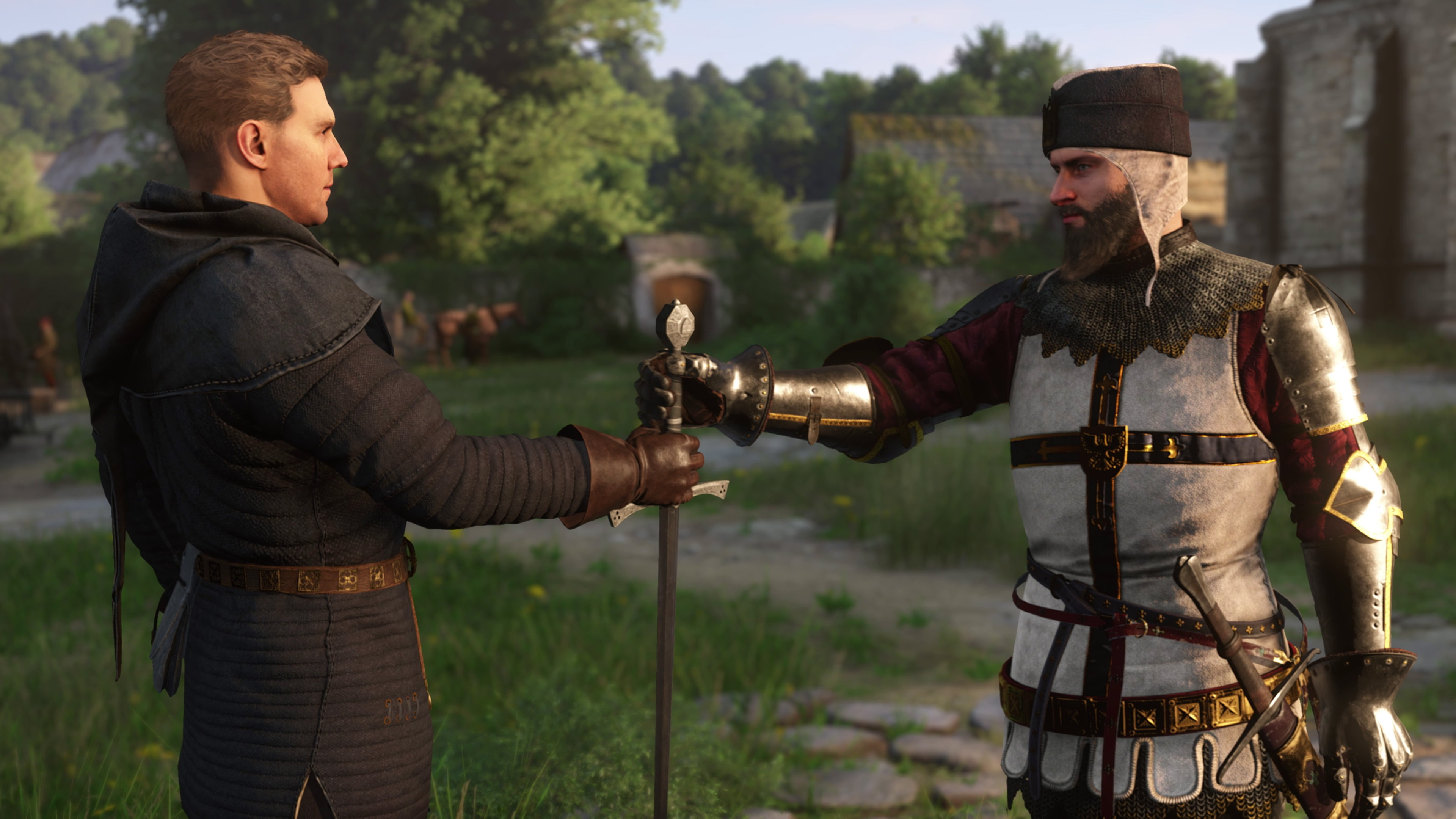
“In those early days, we were fueled by pure start-up momentum,” Bittner recalls regarding the studio’s infancy. “Everyone wore multiple hats. It was an incredibly tight-knit, ambitious group driven by a collective desire to prove ourselves. Even as we approach a workforce of 300, that sense of camaraderie remains; it still feels like a group of friends collaborating on something they love.”
Despite their internal conviction, bringing the vision to life was a significant undertaking. Before the debut of Kingdom Come: Deliverance, the team fought against the industry perception that a realistic medieval setting lacked broad appeal and would be too niche for commercial viability.
“Our Kickstarter pitch emphasized ‘dungeons, no dragons,'” says Bittner. “That alone made the project unconventional. No developer in the Czech Republic had attempted an RPG of this nature before. Proving the inherent value of this grounded concept to the public was perhaps our greatest hurdle.”
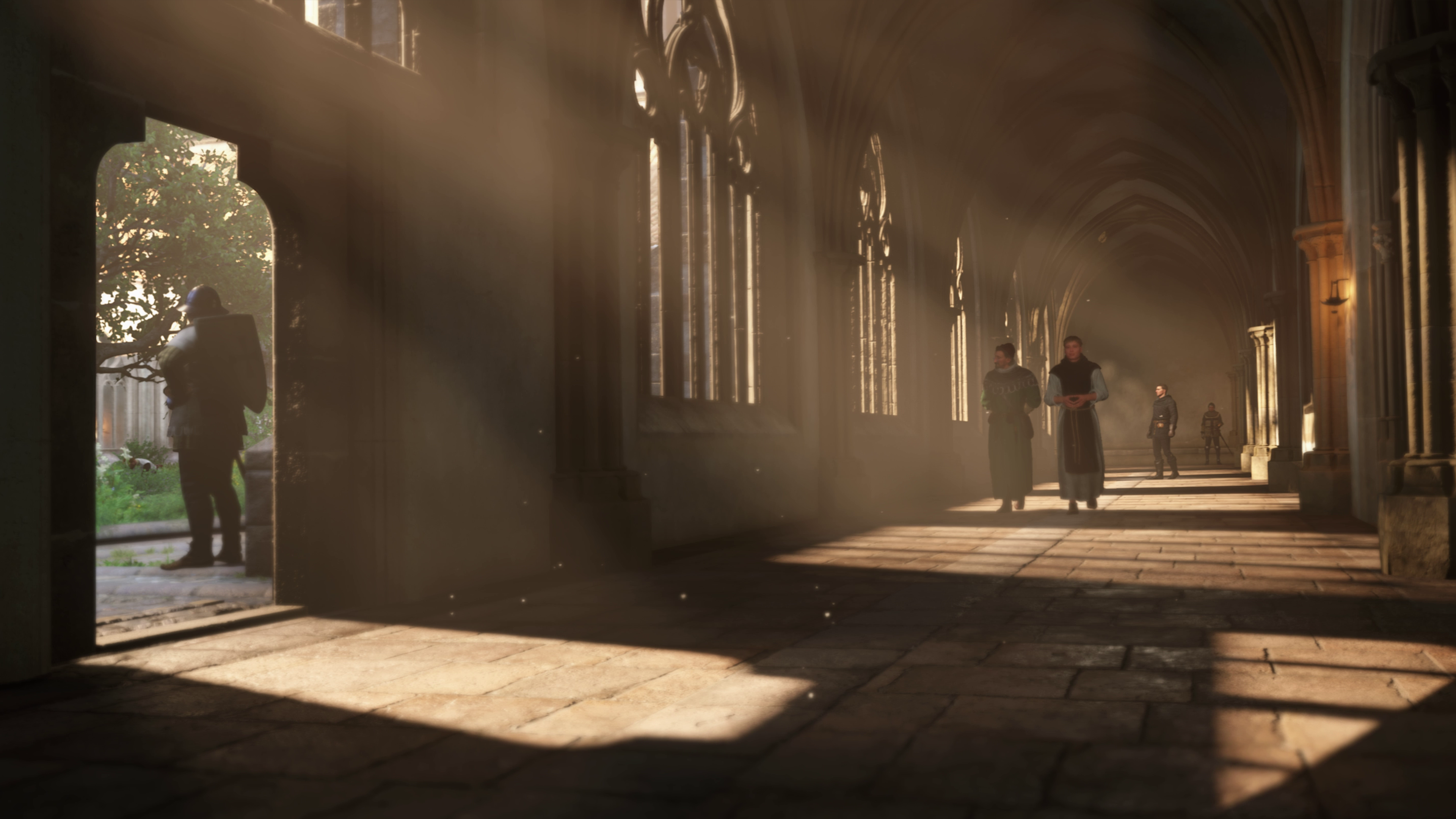
The developers soon realized they had to strike a delicate balance between historical meticulousness and the practicalities of engaging gameplay, resulting in a world that felt both authentic and rewarding to explore.
“One of our primary struggles involved the sheer scale of a realistic landscape,” Bittner explains. “In the real world, locations aren’t positioned according to the convenience of a level designer. However, by carefully condensing these spaces, we highlighted the natural beauty of the environment. Players found joy in simply existing within the world, which turned a potential drawback into a defining strength.”
“On the technical front, the challenge was often a matter of volume. In our games, NPCs require significant space to function, yet authentic medieval buildings were notoriously cramped. In a real castle, you wouldn’t find the wide hallways required for two digital characters to pass one another comfortably!”
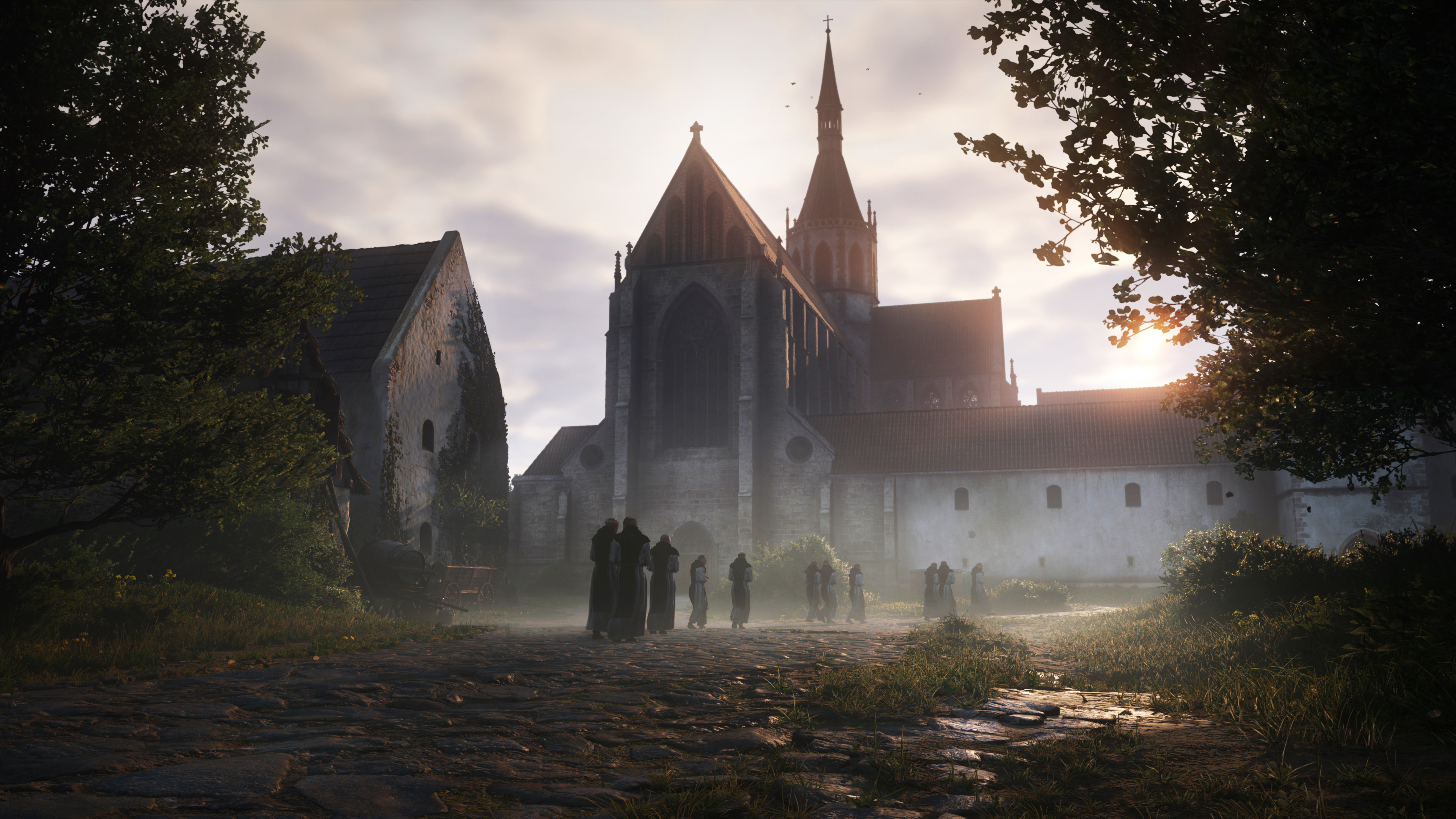
The triumph of Kingdom Come: Deliverance validated their unorthodox approach. If the original game was a proof of concept for realistic RPGs, the sequel was designed to fulfill the studio’s ultimate creative ambitions.
When Kingdom Come: Deliverance II launched a year ago, it featured a vastly expanded world crafted by a team that had doubled in size. This increased capacity allowed for the simultaneous development of complex quests, cinematic storytelling, and deep systemic mechanics, broadening the scope of the experience in every way.
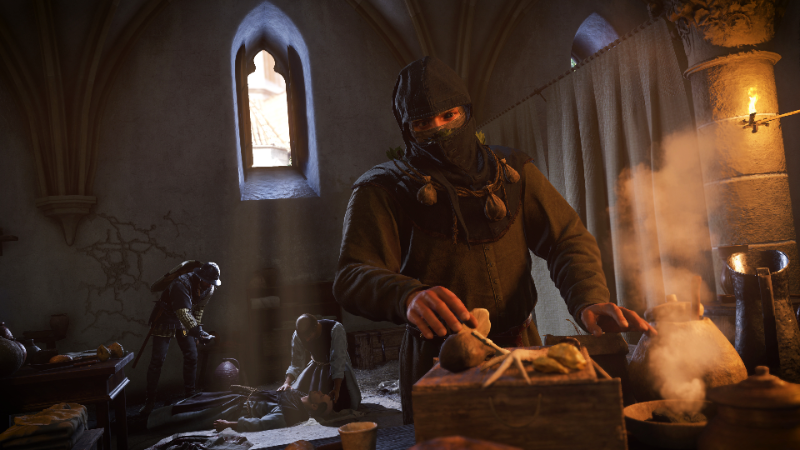
How did Warhorse manage this rapid expansion without sacrificing the studio culture that defined their early success?
“The growth was handled incrementally,” Bittner notes. “We avoided massive hiring spikes, allowing new talent to integrate into our teams gradually. That was essential for maintaining our identity.”
“We also uphold a philosophy where personality matters as much as talent. You could be a brilliant developer, but if you’re difficult to work with, you won’t fit here. Game development is a team sport, so we prioritize hiring ‘good people’ who contribute to a positive environment.”
“You look for colleagues you actually want to spend time with. After wrapping up the KCD II DLCs, we took a break to reset. Many of our teams still chose to meet up for social events during their time off. To me, that’s the clearest sign that we’ve maintained the right culture.”

Bittner attributes their ongoing success to an appetite for risk and a refusal to follow standard industry trends.
“We prefer the path less traveled,” he says. “While it carries the risk of failure, we believe the unbeaten path leads to the most meaningful success. We strive for a blend of AAA production values and fresh, innovative ideas. Many gamers feel that modern blockbusters are becoming formulaic. We believe the remedy isn’t just better graphics, but a shift in core design philosophy.”
While it is premature to discuss specific future projects, Bittner offers a reassuring outlook on the studio’s trajectory and its commitment to unparalleled immersion.
“Our mission to do things differently has never changed. We remain dedicated to crafting exceptional open-world RPGs—and we will continue to do it our own way.“
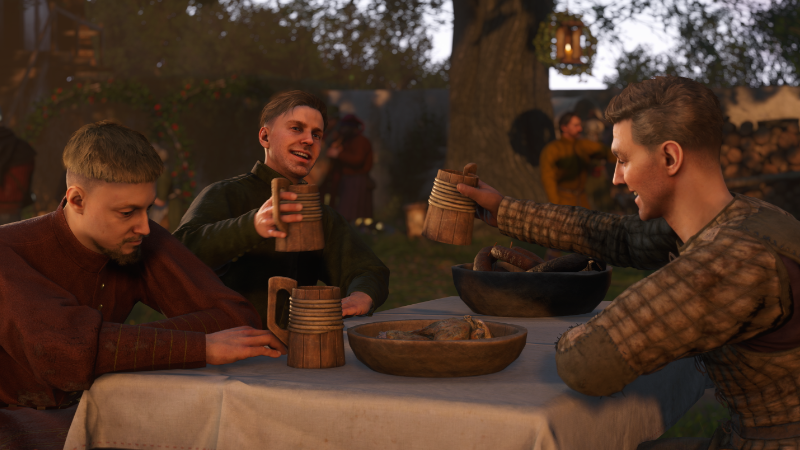
Experience Kingdom Come: Deliverance II today.
Purchase Kingdom Come: Deliverance II on Steam
Return to the origins—play the original Kingdom Come: Deliverance.
Purchase Kingdom Come: Deliverance on Steam
Follow the journey on social media:
🔸 X/Twitter
🔸 TikTok
🔸 Instagram
🔸 Facebook
🔸 YouTube
Related articles
 Kingdom Come: Deliverance – The Board Game
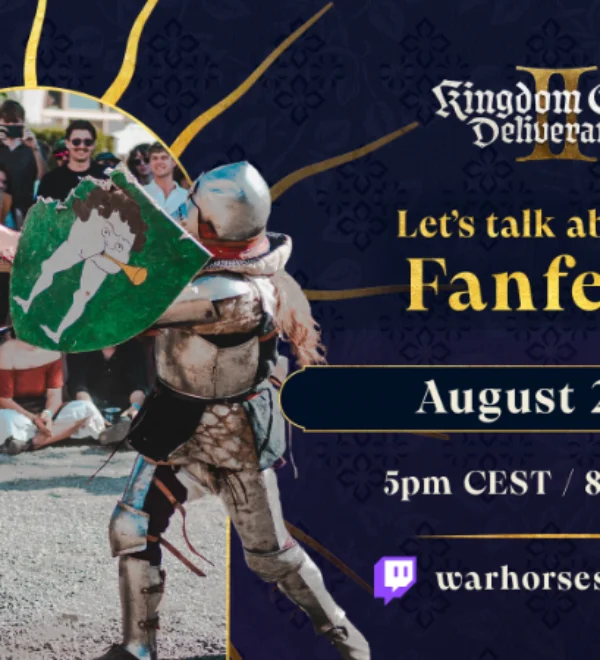 Tune In to the Latest Community Stream!
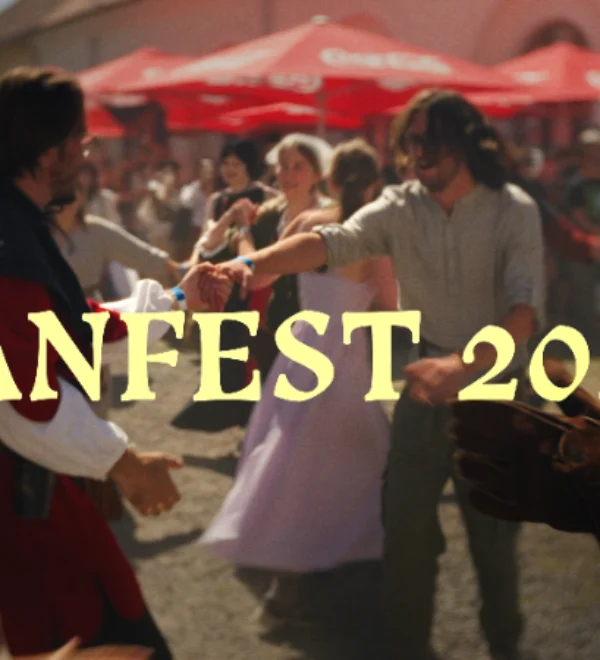 Kingdom Come: Deliverance Fan Festival 2026
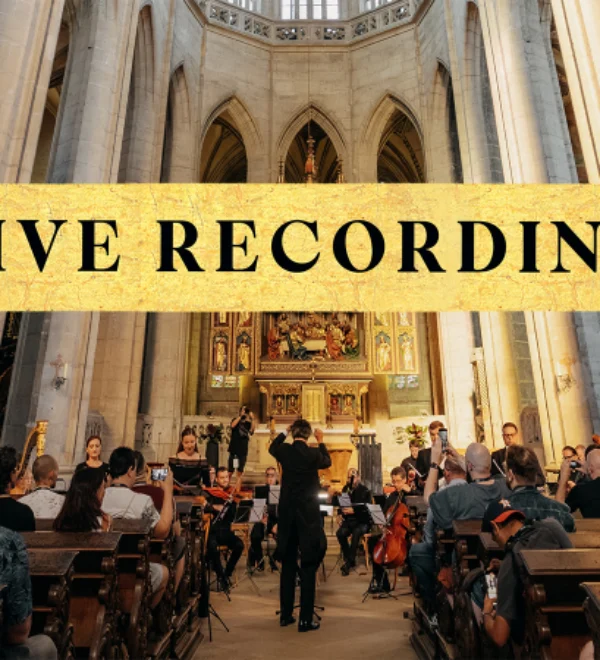 🎼 Kingdom Come: Deliverance II Live Concert Recording
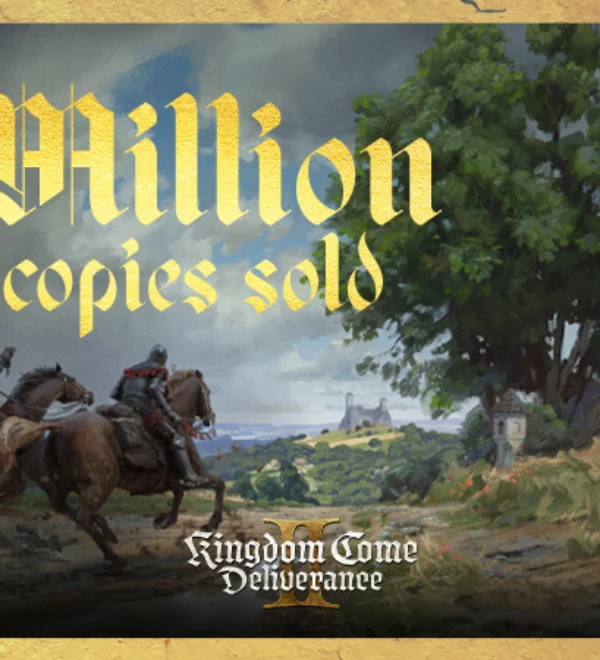 Six Million of You Have Explored Bohemia!
 Kingdom Come Deliverance II: 60% off in Steam Summer Sale 2026
 Patch 1.5.6: A Jester’s Visit
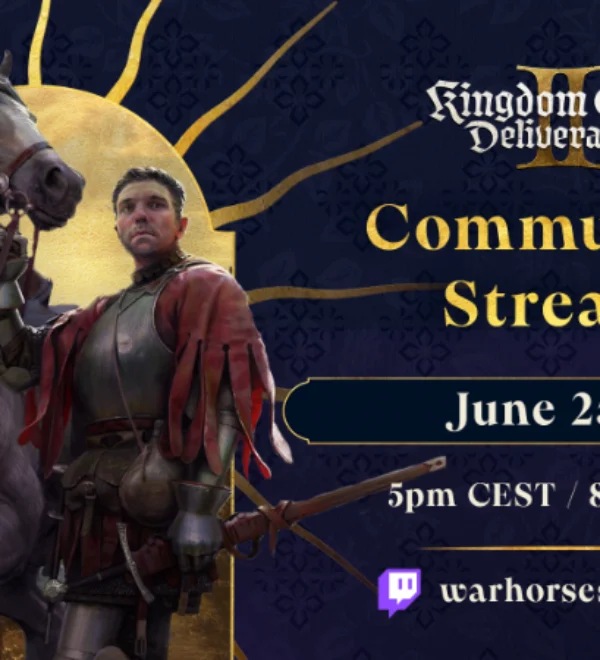 Join the community stream later today!