The Unsung Legend Who Made Zelda Weird
Switchboard is Polygon’s weekly Nintendo digest, delivered to your inbox every Thursday and featured here on Saturdays. You can subscribe to the newsletter here.
Last week, Nintendo confirmed the departure of legendary game designer Takashi Tezuka, marking the end of a remarkable 42-year tenure at the company.
While Takashi Tezuka may not possess the household name recognition of his peer Shigeru Miyamoto, he served as the foundational architect alongside Miyamoto during the transformative 1980s. From the birth of Super Mario Bros. to the genesis of The Legend of Zelda, Tezuka acted as the indispensable collaborator in Miyamoto’s inner circle. His creative influence remained a constant, defining force across Nintendo’s most iconic franchises—including Pikmin, Mario, and Zelda—right up until his contributions to Super Mario Bros. Wonder and Pikmin 4 in 2023.
Disentangling the creative legacies of Miyamoto and Tezuka is an impossible task. While Miyamoto occupied the role of the visionary senior partner—the architect of Nintendo’s most famous icons—the duo functioned in lockstep throughout the 90s. As a prolific producer-director team, they systematically redefined the boundaries of interactive entertainment.
When Tezuka joined Nintendo in 1984, he was a graphic designer with almost no experience in game development. He proved to be a prodigy. After cutting his teeth on sprite work for Punch-Out!!, he quickly transitioned to assisting Miyamoto on Devil World. Within a year, the pair launched Super Mario Bros., a title that shattered every prevailing design convention and fundamentally altered the trajectory of the medium. Perhaps his lack of formal gaming indoctrination was, in fact, his greatest asset—he had no rigid rules to unlearn.
 Image: Nintendo
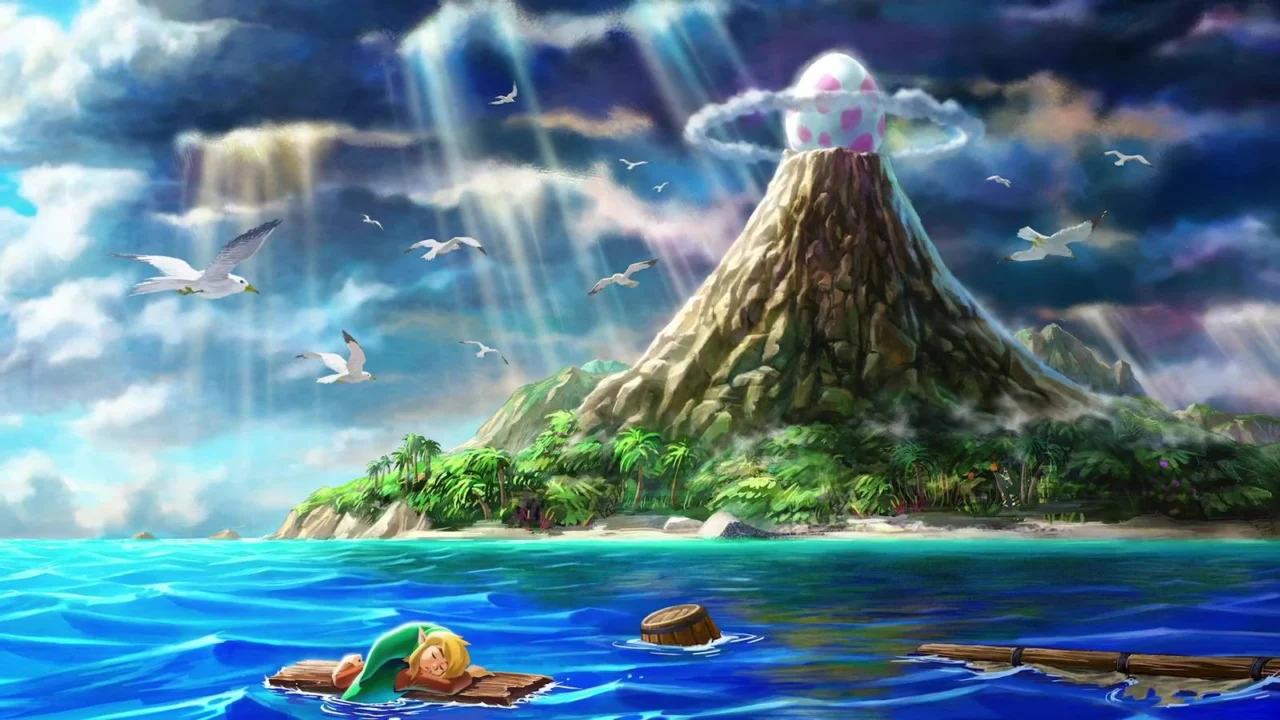
The zenith of their collaboration arguably occurred during the early Super Nintendo era, as the team produced masterworks like Super Mario World and The Legend of Zelda: A Link to the Past. However, Tezuka’s unique, whimsical sensibilities truly emerged with the 1993 Game Boy classic, The Legend of Zelda: Link’s Awakening.
As the project lead for the series’ first handheld entry, Tezuka took the bold liberty of stripping away the franchise’s core pillars—the Triforce, Hyrule, and even Princess Zelda herself—to craft what he described as a “parody” of the saga. Heavily influenced by the surreal, unsettling atmosphere of David Lynch’s Twin Peaks, Tezuka emphasized eccentric character interactions and injected a delightful, post-modern humor by weaving in Kirby and Mario cameos. In doing so, Link’s Awakening deconstructed traditional fantasy tropes and introduced a lingering sense of melancholy and satire that has permeated the series ever since.
Gaming has evolved since those formative, experimental years, and the industry no longer allows for an outsider like the young Tezuka to so drastically reshape its foundations. It is a loss, certainly. However, Nintendo’s enduring brilliance lies in its ability to internalize the philosophy of its masters and nurture that wisdom within the next generation of developers.
Call it masterful succession planning or a commitment to mentorship; regardless, Tezuka’s shift toward supervisory roles over the last decade only served to solidify his legacy. While his presence at the helm will be missed, his creative DNA remains woven into every title Nintendo releases today—and those it will dream up tomorrow.
eShop game of the week: TetherGeist
 Image: O. and Co. Games/Out of Space Games
TetherGeist is a rigorous precision platformer reminiscent of Celeste. It introduces a clever hook where the protagonist can temporarily abandon her physical form to solve puzzles and navigate platforming obstacles. It has been met with critical acclaim, with Nintendo Life awarding it an 8/10 for its imaginative design.
Nintendo Music track of the week: “Opening Theme” from Star Fox (2026)
To drum up excitement for the upcoming Star Fox 64 remake on Switch 2, Nintendo has added 10 tracks to the Nintendo Music app. These sweeping, orchestral reinterpretations evoke the grand cinematic style of John Williams and sound truly spectacular.
Nintendo Classics game of the week: Star Fox 2
Once the soundtrack has you in the pilot’s seat, you can dive into one of the true crown jewels of the Nintendo Classics library: the long-lost sequel to the original SNES masterpiece, which remains the only authentic follow-up to the 1993 classic in over three decades.
This week’s most interesting releases
- Available now
- Switch 2
- A fast-paced, Geometry Wars-inspired twin-stick shooter featuring a unique sector-based gameplay twist.
Perfect Tides: Station to Station
- Available now
- Switch
- If you haven’t quite exhausted your appetite for nostalgic Millennial cringe, this narrative adventure is essential playing.
Farming Simulator 26: Nintendo Switch Edition
- May 19
- Switch
- Everything you expect from the agricultural titan—tractors, crops, and rural management.
- May 19
- Switch and Switch 2
- Classic, high-octane shmup action for those who prefer their games fast and punishing.
Source: Polygon
Related articles
 Insomniac Altered Marvel’s Wolverine Mechanic After Player Criticism
 Mafia III Receives Surprise 60 FPS Update for PS5 and Xbox Series X/S, Free for Current Owners
 13 Years Later, One of Telltale’s Greatest Games Is Officially Making a Comeback
 Xbox Chief Promises to Restore Console Owners’ Trust and Alter Game Pass
 ‘Forza Horizon 6’ Officially Delayed to 2027 on PS5
 Remedy Begins Full Production on Max Payne 1 and 2 Remake as Actor is Revealed
 Timothy Zahn to Write New Star Trek Deep Space Nine Novel
 Square Enix Shuts Down Final Fantasy VII Ever Crisis and Erases In-Game Purchases