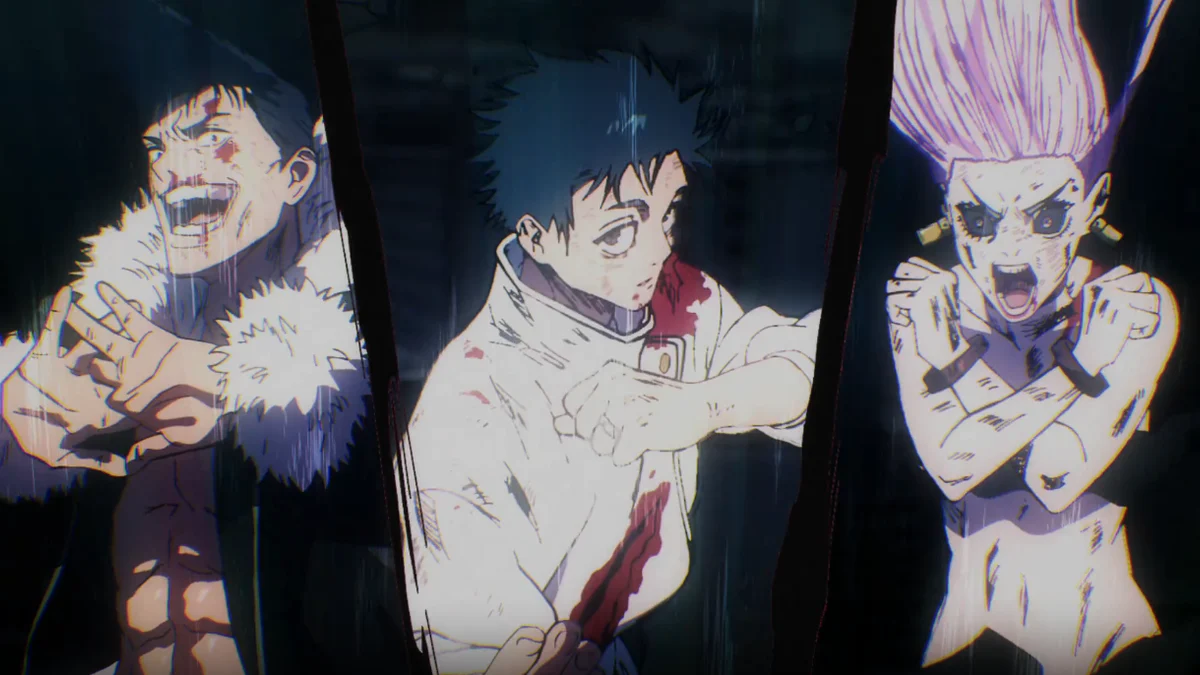
The Subversive Genius of Jujutsu Kaisen’s Stunning Season 3 Finale
Jujutsu Kaisen is a masterpiece of deceptive simplicity. At first glance, it chronicles the visceral struggles of sorcerers purging malevolent spirits and clashing with one another. Yet, beneath this frantic surface lies a narrative where combat is more than just a spectacle—it is the very architecture of the story. Unlike typical shonen tropes that use violence merely to maintain reader engagement, this battle manga treats every exchange of blows as the ultimate expression of its aesthetic and philosophical identity.
Critics often point to the series’ breakneck pacing, fragmented lore, or its tendency to marginalize the central protagonists. However, there is an enigmatic quality to the work that remains undeniably captivating. The Season 3 finale, “Sendai Colony,” serves as a definitive testament to this. It highlights MAPPA’s masterful ability to refine Gege Akutami’s vision, distilling the essence of the entire franchise into a breathtaking 30-minute experience.
Covering chapters 174 through 181 of the manga, this episode captures a sequence that has become a cornerstone of the fandom’s appreciation. Within the lethal confines of the Culling Game, the Sendai Colony is initially paralyzed by a stalemate between three resurrected sorcerers—Dhruv Lakdawalla, Takako Uro, and Ryu Ishigori—and the Special Grade curse, Kurourushi. The equilibrium is shattered by Yuta Okkotsu, whose immediate elimination of Dhruv ignites a chaotic, four-way tactical war between some of the most formidable entities in the game.
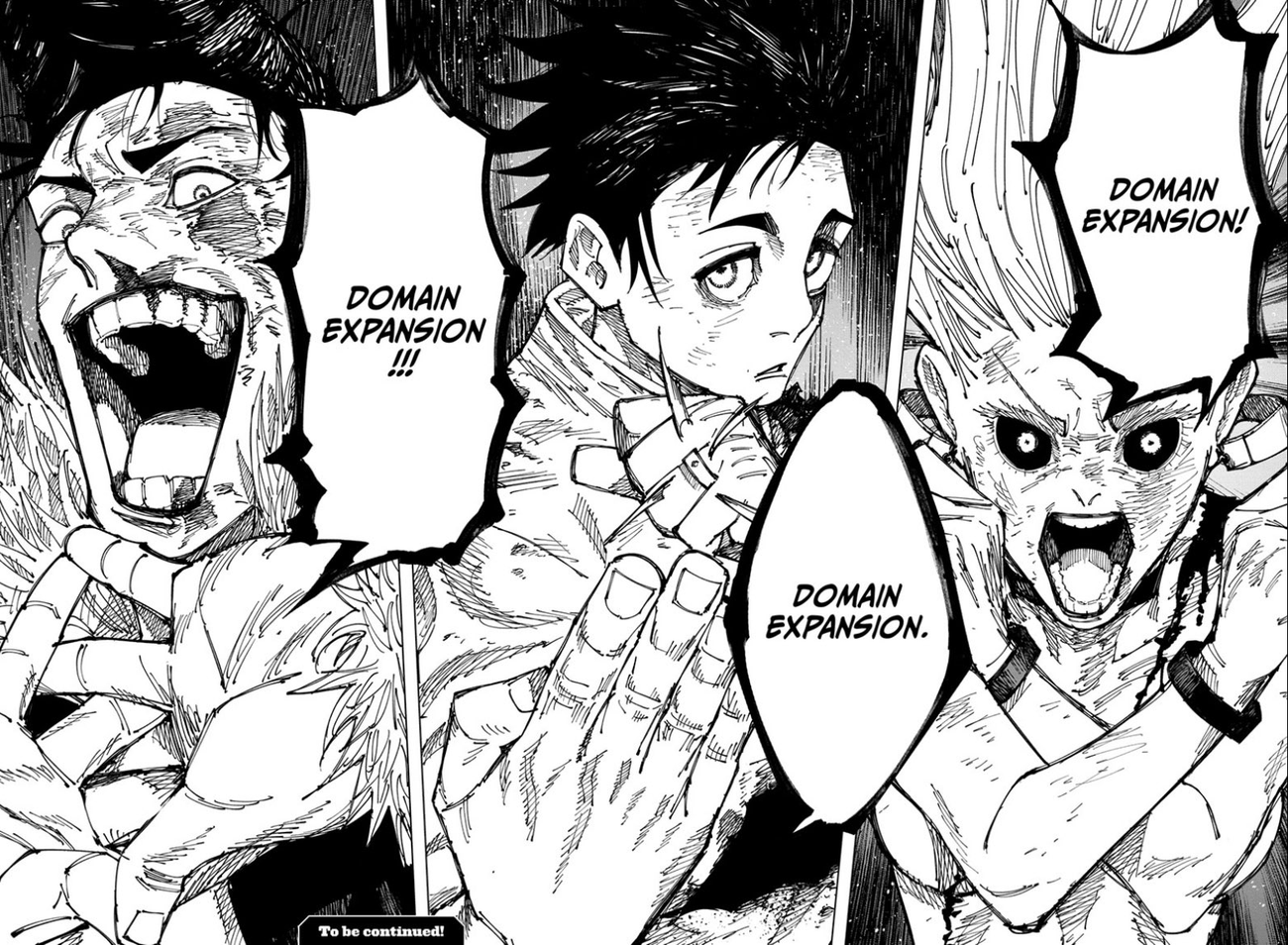
Over-analyzing the mechanics of this adrenaline-fueled surge is unnecessary. For those who haven’t witnessed it, the 27-minute display of Akutami’s creative brilliance and MAPPA’s fluid animation is mandatory viewing. It represents the pinnacle of Jujutsu Kaisen. But what exactly defines that pinnacle? While classics like Dragon Ball or Naruto use combat as a bridge to reach narrative milestones, Akutami treats the fight as the destination itself, creating a surprisingly profound narrative structure.
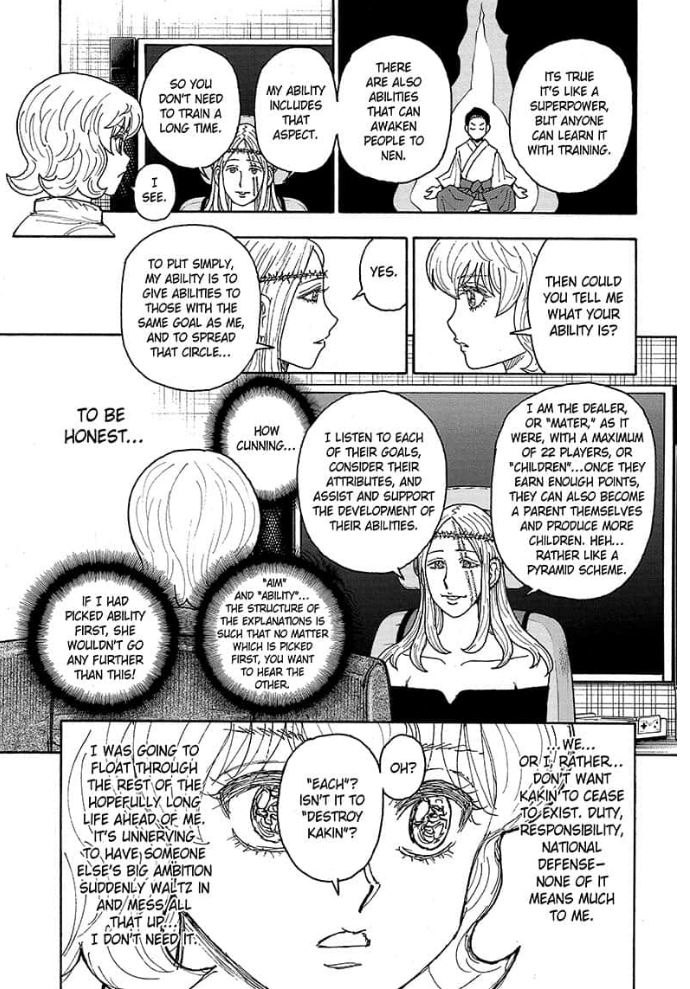
The most apt comparison within the genre is Yoshihiro Togashi’s Hunter x Hunter. Togashi is a ludologist at heart; his power system, Nen, is a labyrinth of rules and contingencies. However, while Togashi revels in the theoretical “how” of a fight, Akutami is obsessed with the visceral “now.” Hunter x Hunter often pauses for dense internal monologues, whereas Jujutsu Kaisen is frequently labeled as confusing because it refuses to over-explain. It demands the audience learn through observation, deciphering the complexities of Domain Expansions and Culling Game mechanics through the heat of the moment.
The series also utilizes the Japanese concept of “Ma” (間)—the beauty of negative space. By practicing “design by subtraction,” Akutami crafts resonant character portraits using minimal strokes. We learn who these people are through what is left unsaid and the pauses between their techniques, a technique that builds emotional depth without the need for exhaustive exposition.
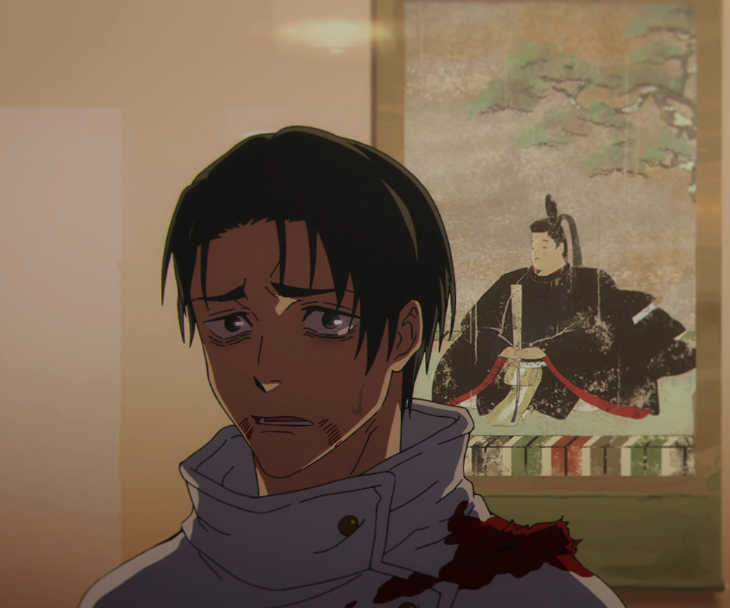
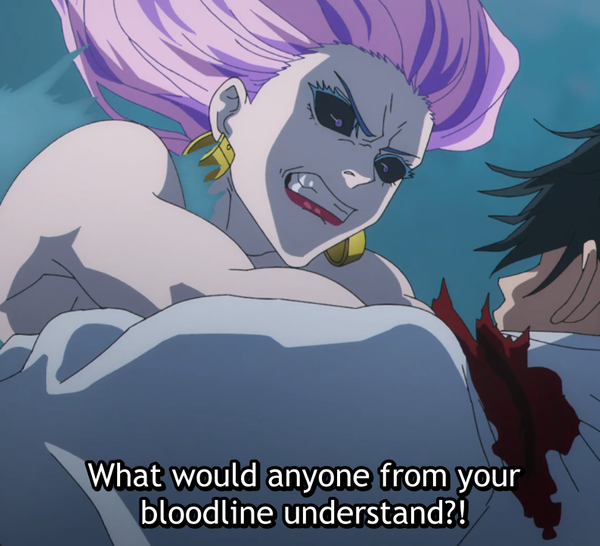

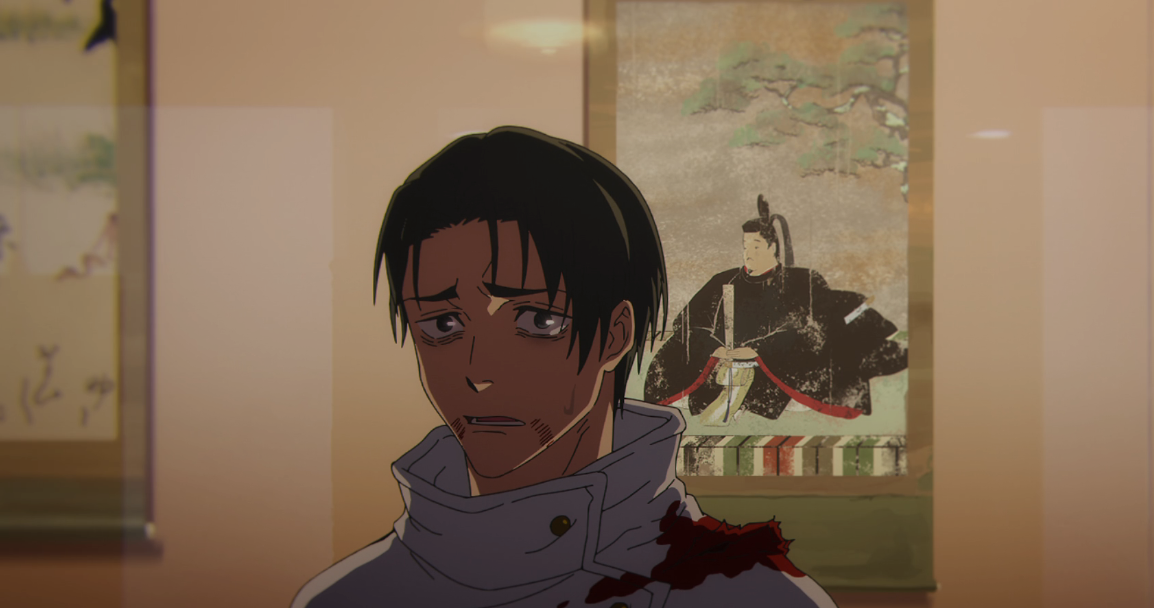
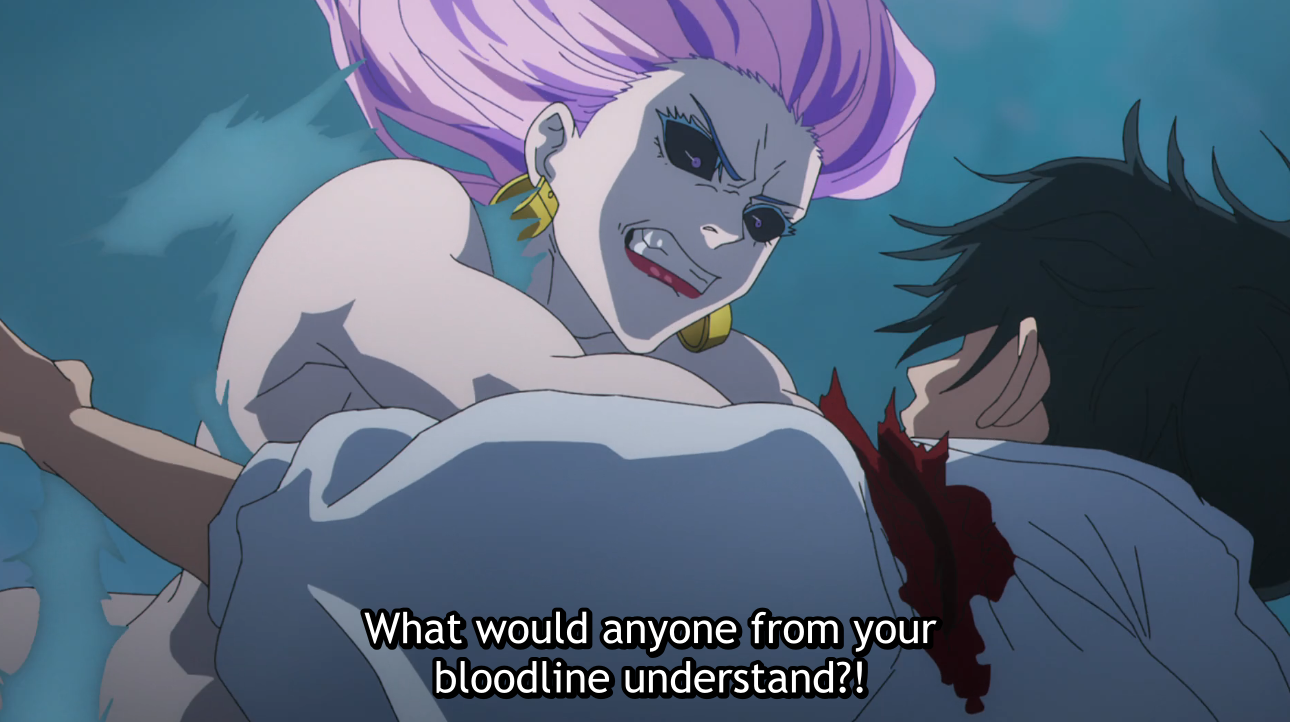
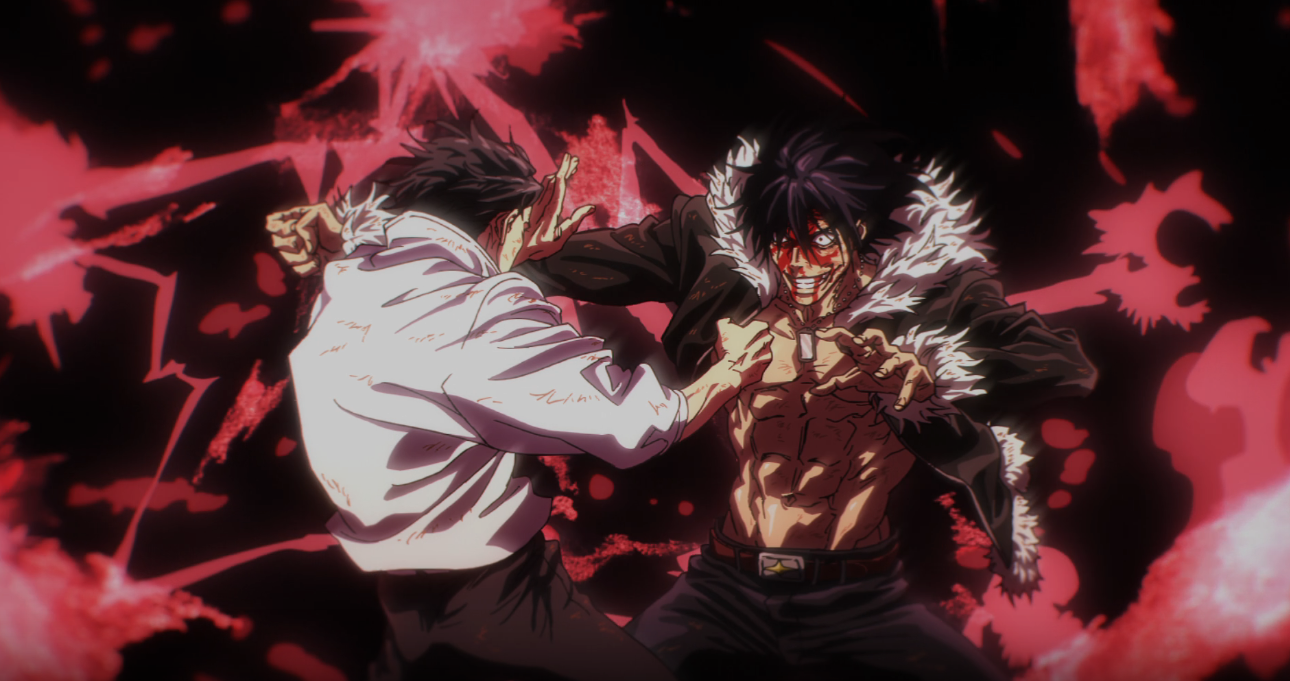
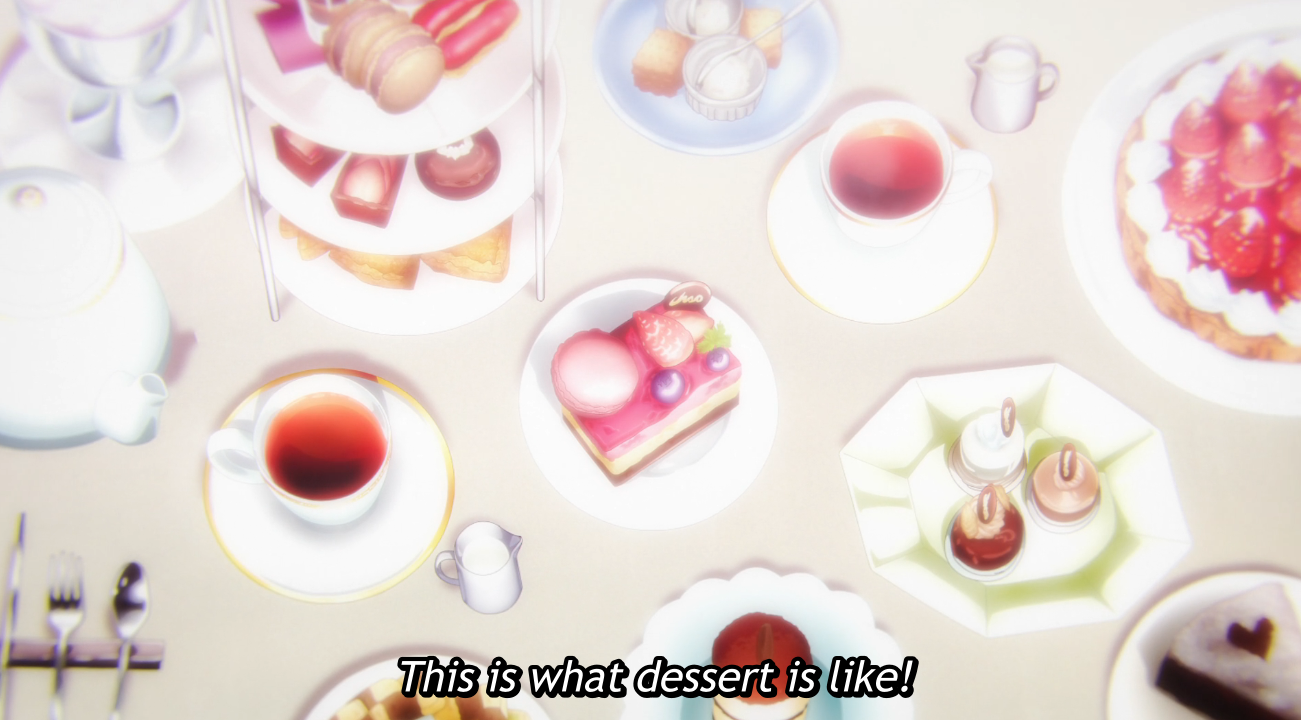
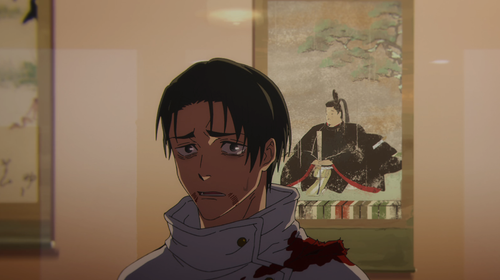
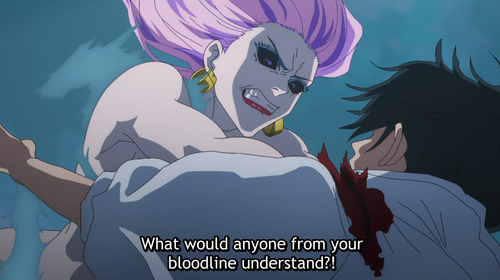
The “Sendai Colony” arc leaves audiences deeply invested in antagonists like Uro and Ishigori despite their brief screen time. Uro is revealed as a former assassin, once a nameless tool of the Fujiwara clan, seeking retribution for a historical betrayal. Ishigori, meanwhile, subverts the “combat junkie” archetype. His hunger for battle is framed as a literal craving for “dessert”—a final, satisfying conclusion to a life that was otherwise full but lacked a crowning achievement. Through their collision with Okkotsu, the series explores the “solitude of the strong,” a recurring motif also found in Gojo and Sukuna, all communicated through brief internal reflections rather than heavy-handed flashbacks.
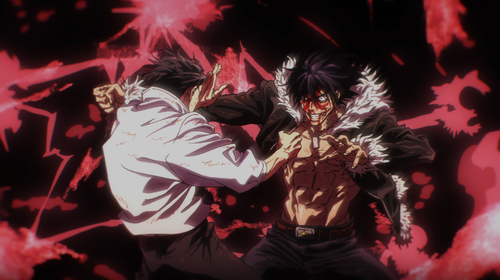
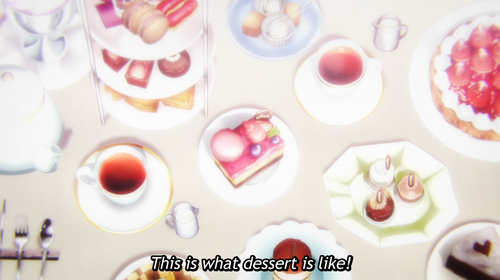
Furthermore, the episode serves as Yuta Okkotsu’s formal ascension into the pantheon of “the strongest.” MAPPA’s animation doesn’t just adapt the manga; it excavates the hidden potential within Akutami’s art. The final skirmish between Yuta and Ryu, accompanied by the season’s triumphant theme as the metaphorical “dessert” vanishes, is a sensory masterpiece. It proves that the animators and the author are in perfect synergy, revealing the visual brilliance that was always lurking between the ink lines.
Ultimately, Jujutsu Kaisen is a pursuit of genre innovation through reduction. Akutami has stripped away the fluff of traditional shonen to reveal a high-octane, polished core. While this minimalist philosophy might leave some craving more world-building or character closure, the singular focus on the “purity” of the fight remains a work of creative genius.
Source: Polygon
Related articles
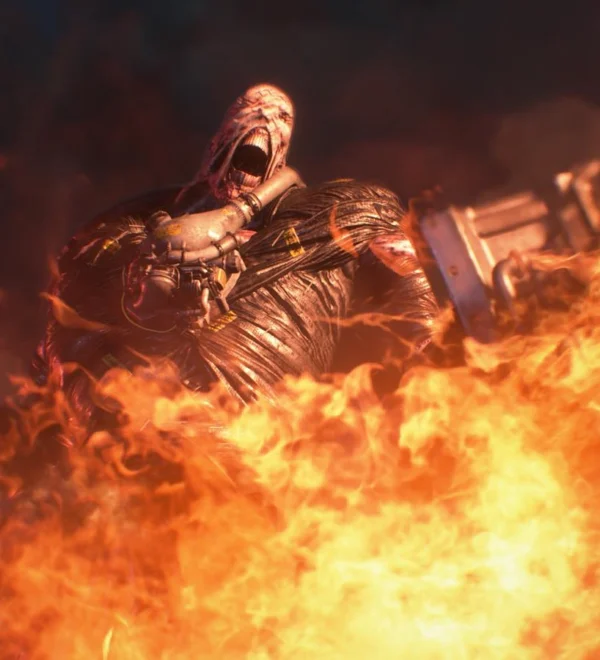 Capcom Shows Gameplay of Resident Evil 3 Remake on Nintendo Switch 2
 World of Warcraft Ported to Android and Runs at 60 FPS
 Ubisoft Plans to Downsize Trials Developer and Ubisoft Singapore
 How to Reach the Top of the Prison Tower in Castlevania: Dracula’s Curse
 Epic Games Claims Its Launcher Starts Faster Than Steam
 Marvel Star Confirms Absence in Doctor Doom Movie
 Blizzard Explains World of Warcraft Forever Development Approach and Community Relations
 ‘Garry’s Mod’ Creator Delivers Grim Update on Spiritual Successor: ‘It Hasn’t Been Going Well’