
The Shelved Film Warner Tried to Cancel Sets 2026 Release: ‘A Must-See Cinematic Event’

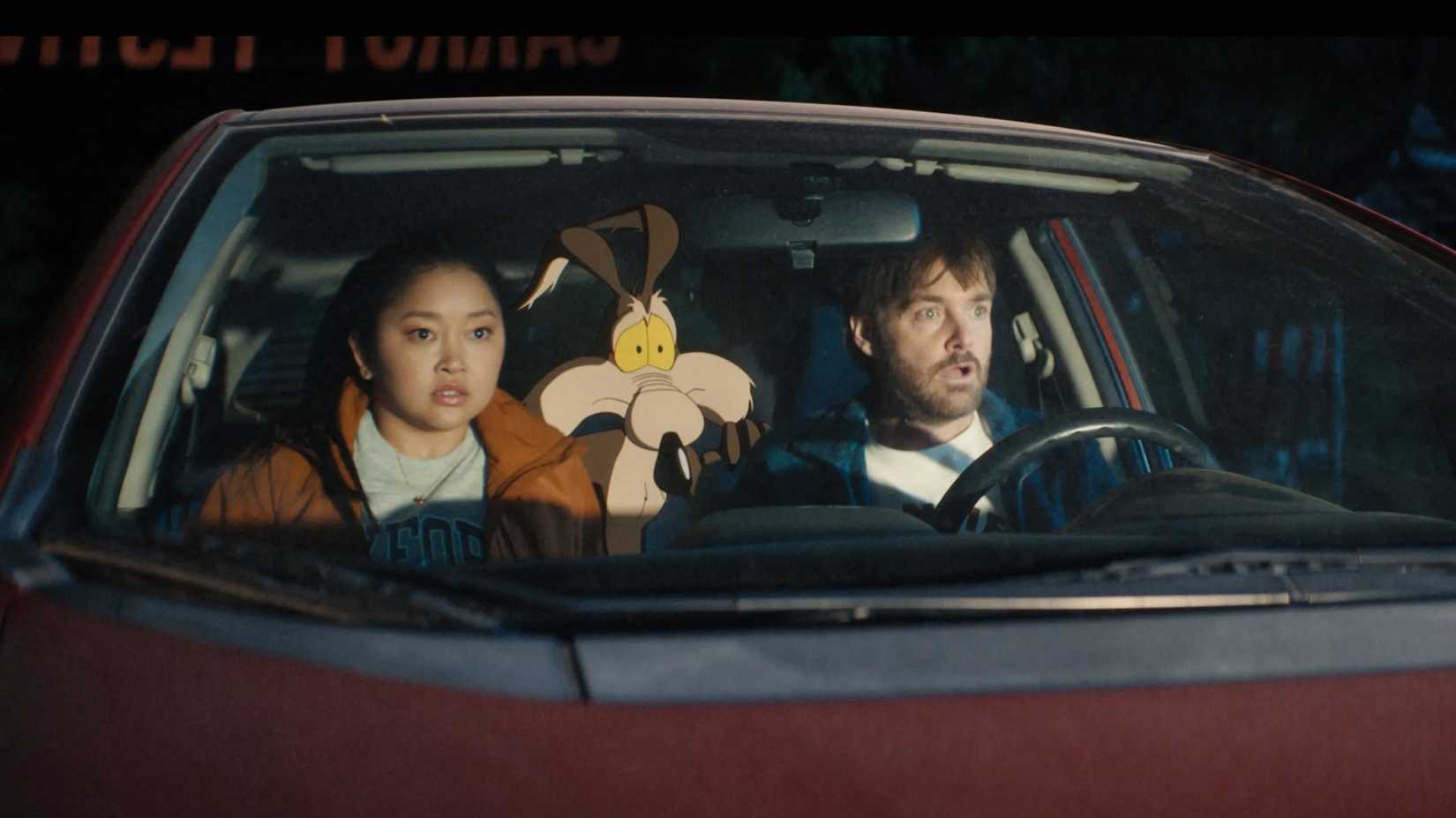
Wile E. Coyote has survived countless gravity-defying plunges and accidental detonations, but his most impressive feat of endurance to date is the survival of his own cinematic debut, Coyote vs. ACME.
The journey began in late 2018 when Warner Bros. unveiled plans for a live-action/animation hybrid inspired by Ian Frazier’s 1990 satirical piece in The New Yorker. The premise is a comedic legal battle: the world’s most persistent coyote finally decides to sue the ACME Corporation for its long history of defective, hazardous products.
While filming commenced in May 2022, the production was nearly crushed by a metaphorical anvil in November 2023. Reports surfaced that Warner Bros. intended to shelve the completed film permanently as a tax write-off. This sparked immediate backlash from industry professionals and animation enthusiasts alike, with many comparing the studio’s leadership to the villainous, toon-loathing Judge Doom. Amidst the controversy, voice actor Eric Bauza emerged as the film’s most vocal champion. His advocacy reached a fever pitch at the 2024 Annie Awards, where he used his iconic Bugs Bunny and Daffy Duck voices to demand the film’s release.

Following a period of uncertainty, the tide turned in March 2025. Ketchup Entertainment—the same distributor that salvaged The Day the Earth Blew Up: A Looney Tunes Movie—stepped in to secure the distribution rights for the legal comedy.
Now scheduled for a theatrical release on August 28, 2026, Coyote vs. ACME has navigated a path more chaotic than a classic Chuck Jones short. We sat down with Eric Bauza to discuss the film’s tumultuous history, its significance for the franchise, and how this “legal drama” is actually a heartfelt buddy comedy in disguise.
Polygon: To kick things off, can you shed some light on your vocal contributions to the film? I’ve seen credits mentioning everyone from Bugs and Daffy to Foghorn Leghorn and Pepé Le Pew.
Eric Bauza: I actually voiced ten different characters throughout the movie. I can’t specify exactly which ones yet, but fans can expect a massive ensemble of classic Looney Tunes favorites.
Since the Coyote is historically the “strong, silent type,” I assume he maintains his classic pantomime style here?
Exactly. He doesn’t utter a word. He’s the silent protagonist, relying entirely on physical comedy and expression.
The road to release has been incredibly rocky. What has that experience been like from your perspective?
It’s been surreal. I’ve never seen a project so heavily scrutinized by the public before it even premiered. For a while, the headlines surrounding the studio were more about what they were canceling than what they were creating.
I was the first voice actor director Dave Green brought on board. My first “win” was just making Will Forte laugh during a Zoom table read. I’ve always viewed these characters as a borrowed treasure; when I get the keys to the Cadillac, I promise to return it without a scratch. We were working hard on improv right up until the writers’ strike began.
If this film doesn’t launch with a Wile E. Coyote popcorn bucket at AMC, we haven’t done our jobs correctly.
After the strikes and the news of other projects being scrapped, we were left in limbo. We had seen the test screenings, and they were phenomenal. It turns out audiences—kids included—actually love the mix of courtroom stakes and Looney Tunes slapstick. When the news finally hit that we were being written off for taxes, it felt like a gut punch.

How did you process that initial cancellation?
It was devastating. At the time, I was also working on The Day the Earth Blew Up, which was also facing potential cancellation despite its modest budget. Thankfully, Ketchup Entertainment recognized the cultural value of these icons. These characters are part of our collective heritage, and the idea of them rotting in a digital vault was unbearable.
You were very public about the “Release Coyote vs. ACME” movement. Do you think that grassroots pressure worked?
I definitely think it created a wave. At the Annie Awards, I went off-script to shout “Release Coyote vs. ACME!” during a bit. I thought my career might be over right then and there, but the room exploded with support. It felt like the entire animation community was standing behind us.

Do you believe this drama actually increased the film’s potential for success?
In a way, the marketing is already done. People know this is the “movie they tried to kill.” It has that underdog energy now. We just have to follow through and make sure it’s treated as the event it deserves to be.
Why does focusing on a character-driven story work better for these icons than the massive crossovers like Space Jam?
In the original cartoons, they were rarely all in the same room. The magic was in the specific rivalries: Bugs and Elmer, or Sylvester and Tweety. Coyote vs. ACME succeeds because it focuses on a core relationship. You have Wile E. Coyote teaming up with this down-on-his-luck lawyer played by Will Forte. It’s a story about two “losers” learning that even if you don’t always succeed, the act of trying is what defines you.

So it’s essentially a buddy movie?
Absolutely. The lawyer spends the movie building a case but ends up discovering his own worth through the Coyote. It’s not just leaning on nostalgia; it’s a genuine, stand-alone story. That’s how you keep these characters relevant—by telling stories that actually matter.
What is your final message to fans regarding the film’s future?
Go see it. Not just to support the “cause,” but because it’s a genuinely funny, moving film. Making this a hit is the only way to ensure these characters continue to thrive for the next generation.
Source: Polygon
Related articles
 Witch Hat Atelier Manga Is One-Third Finished and Could Run for 12 Seasons
 GTA VI Trailer Outpaces Netflix Films in Popularity Across 87 Countries
 7 Years Later, What Remains of Edith Finch Still Has the Most Haunting Quote in Gaming
 An Unexpected Pokémon Card Is Set to Shatter Sales Records Against All Odds
 The Blood of Dawnwalker Tops Steam Sales Charts
 CD Projekt Red Details Unreal Engine 5 Plans for The Witcher IV
 Nintendo Releases Major Update for Mario Kart 8 Deluxe on Switch 2
 The Witcher 3 and Cyberpunk 2077 Surpass 100 Million Combined Sales