The Nun Director’s New Movie: Final Destination Meets Evil Dead
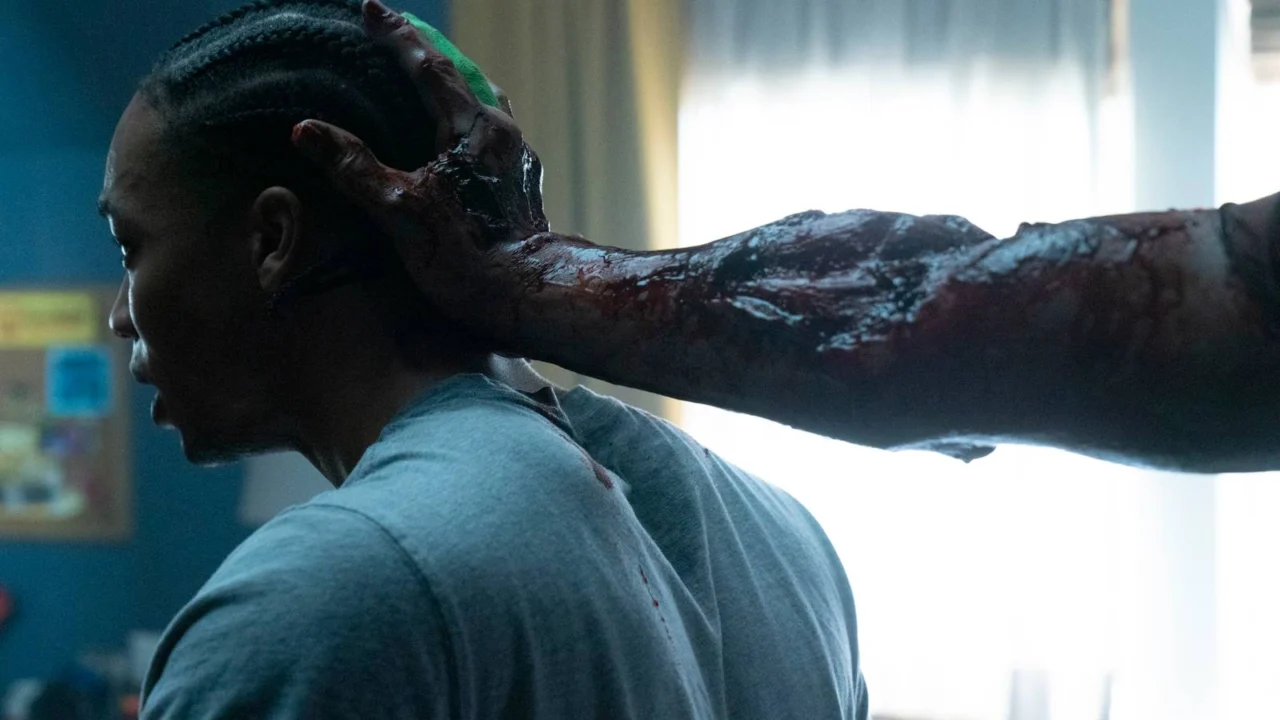
The premise is a staple of the genre: a cohort of adolescents finds themselves pursued by a malevolent supernatural force, racing against time to uncover a loophole before they are systematically eliminated. From the dream-weaving terror of A Nightmare on Elm Street to the inescapable design of Final Destination, the most enduring horror franchises have often utilized this fundamental blueprint, albeit with their own distinct tonal shifts.
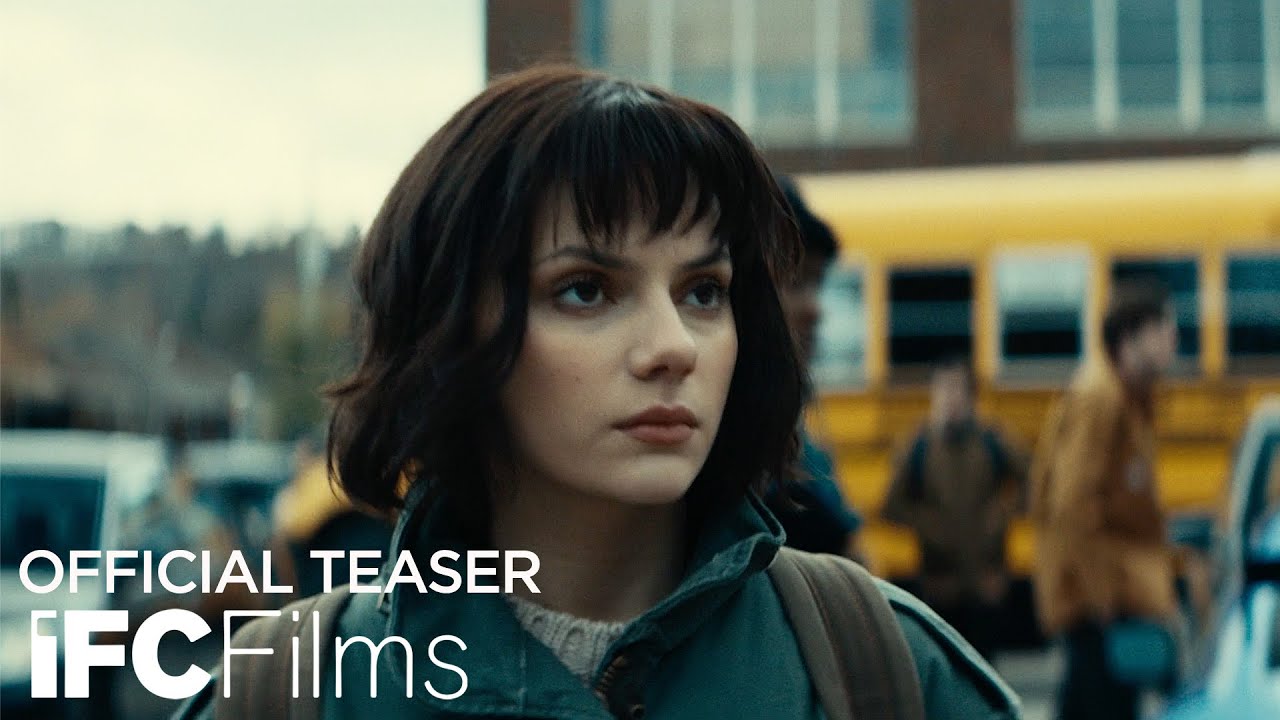
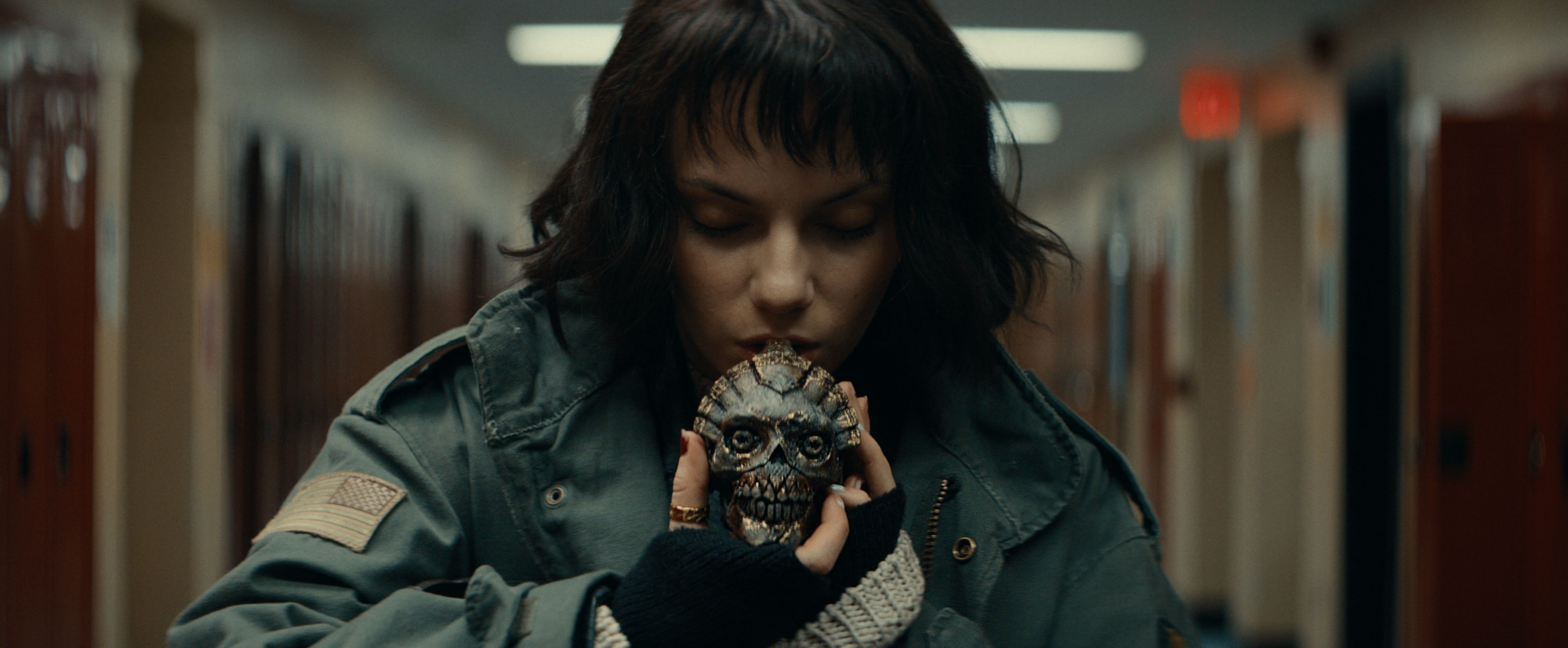
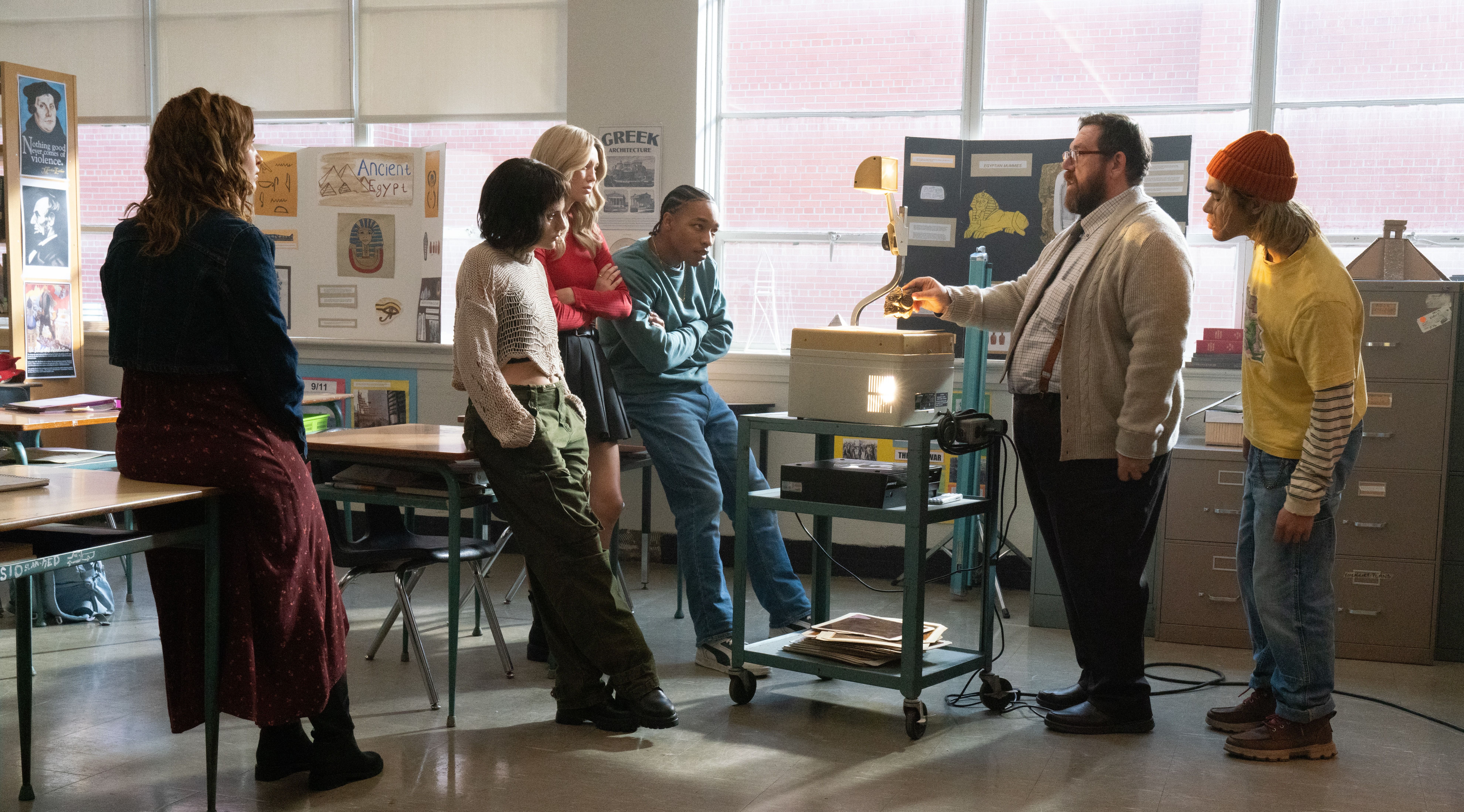
The latest entry into this tradition is Whistle, helmed by director Corin Hardy (known for The Nun and The Hallow). The film centers on a relic of ancient Aztec origin—a whistle whose sound carries a terrifying curse. Those who hear its piercing scream are doomed to die in the present, suffering the exact fate that was originally intended for their future, whether that be a terminal illness or a catastrophic accident. For Hardy, the simplicity of the script by Owen Egerton was its greatest strength.
“The potency of this unexplored mythology immediately struck me,” Hardy explained. “The idea that an ancient artifact can summon your future demise to hunt you down in the now was an incredibly compelling hook.”
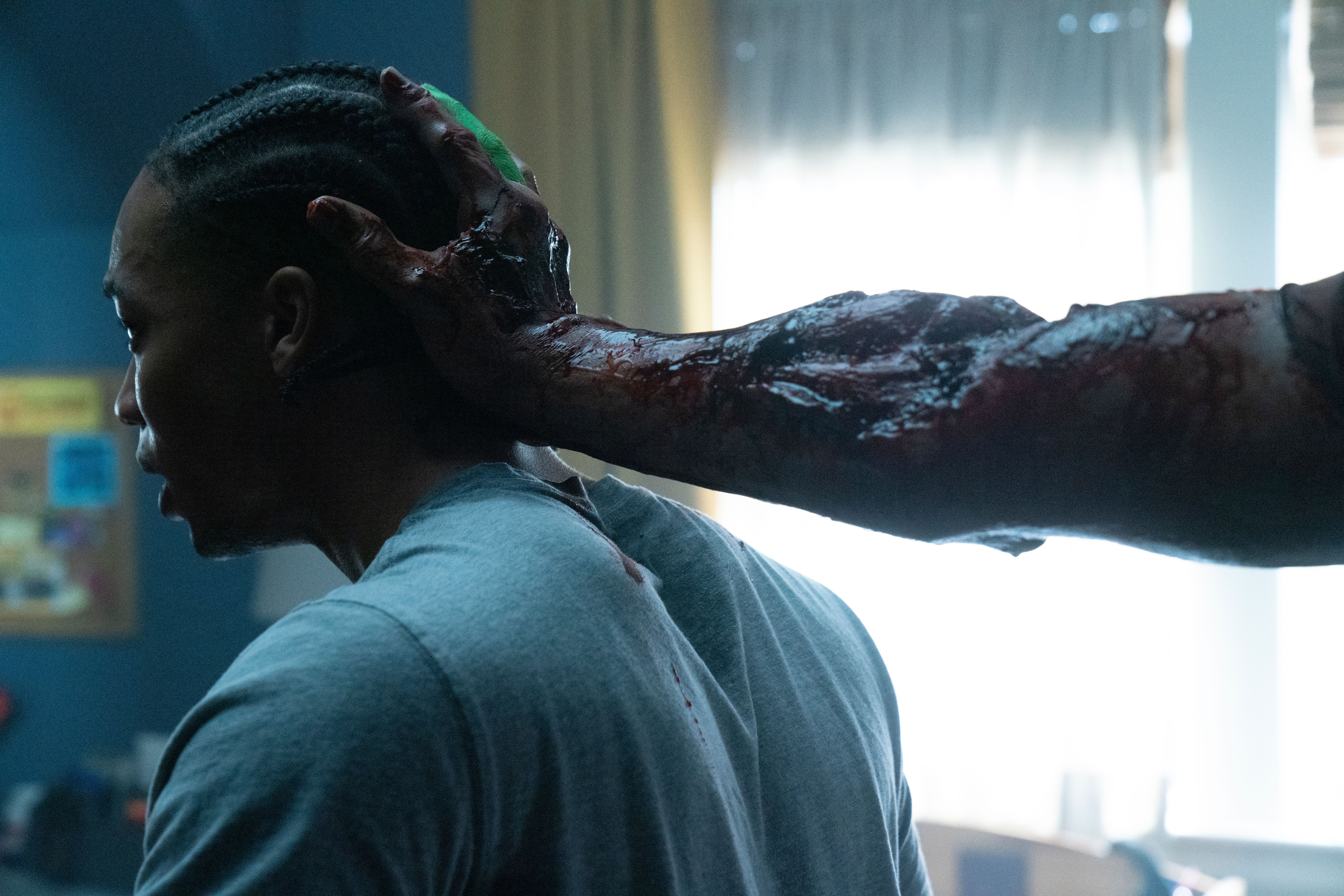
Hardy’s execution of this concept is unapologetically visceral, utilizing a sophisticated blend of practical craftsmanship and digital enhancement to render every “perishment” in haunting detail. Arriving in theaters on February 6, Whistle promises a high-octane journey into the macabre. We sat down with Hardy to discuss the artistry behind the film’s carnage, its aesthetic departure from his previous work, and the classic influences that shaped his vision.
What specifically drew you to this narrative?
Corin Hardy: When approaching horror, the goal is always to investigate concepts that haven’t been exhausted. The creative challenge of visualizing these preordained deaths and determining how they would be cinematically executed—if you’ll excuse the expression—was a major part of the project’s allure.
The film is notably graphic. What was your philosophy regarding the depiction of these deaths?
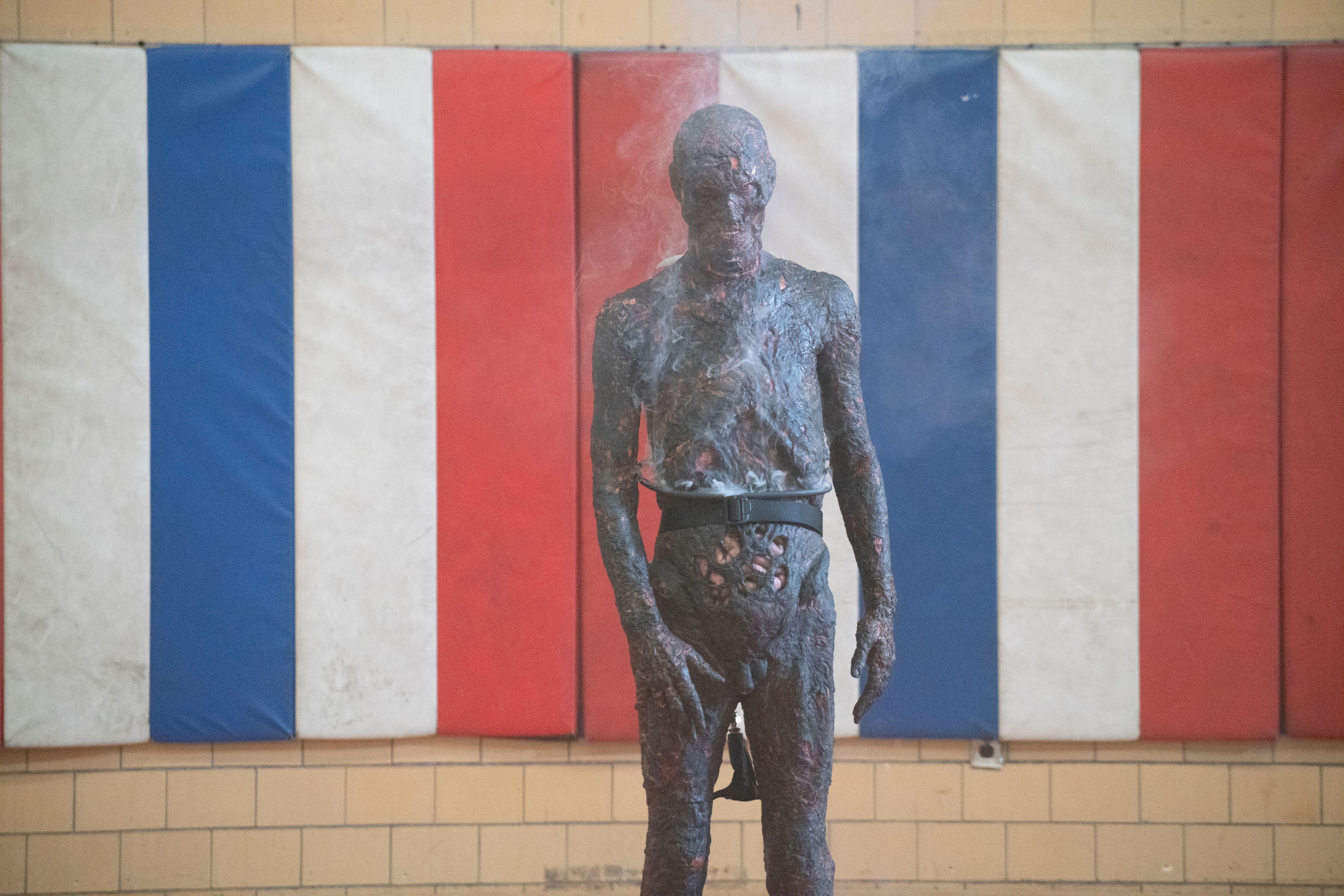
Hardy: In a genre where audiences have seen thousands of variations of mortality, inventing a novel way to perish is a difficult task. We treated each death like a curated menu, blending specific visual elements to create sequences that were not only gruesome but also carried a certain emotional and traumatic weight.
Can you talk about the synergy between your practical and digital effects?
Hardy: We employed nearly every technique in the book. My goal was to keep the audience guessing so they couldn’t easily dismantle the illusion. My love for horror began with that appreciation for cinematic sleight of hand. We utilized puppetry, complex prosthetics, and animatronics, then layered in visual effects and CGI where necessary to perfect the magic trick.
The Nun was a very atmospheric, visceral experience. How does Whistle compare to your previous outings?

Hardy: I generally enjoy working with a dark, textured canvas where you build the world through layers of light—similar to an oil painting. While I brought that same focus on atmosphere to this project, Whistle is fundamentally an American high school movie. This allowed for a more vibrant, colorful aesthetic compared to the gothic shadows of my earlier work.
Were there specific genre classics that informed your approach to this “race against death” archetype?
Hardy: Definitely. My cinematic DNA is heavily influenced by the American horror I consumed as a teenager. Landmarks like The Lost Boys, Fright Night, 1988’s The Blob, and Pumpkinhead were foundational. Later on, films like Donnie Darko and It Follows resonated with me as well. To me, directing an American high school horror film feels like a professional rite of passage.
What is the final takeaway you want horror enthusiasts to have about Whistle?
Hardy: I set out to create an exhilarating, roller-coaster experience. It isn’t intended to be a bleak or somber endurance test. I wanted to capture the sheer fun of the horror movies from my youth—stories that had a lot of bite, but also a lot of heart.
Whistle arrives in theaters on February 6.
Source: Polygon
Related articles
 Stellar Blade: Blood Rain Criticized by Players as Developers Acknowledge Errors
 Microsoft is reportedly preparing a negative change for Windows 11 gamers
 Microsoft Reportedly Developing Technology to Convert Discs Into Digital Xbox Games
 Three Major Xbox Games Cannot Be Converted to Digital Versions
 Analysts Predict Strong Sales for New The Witcher 3 DLC
 Christopher Judge Explains Why He Did Not Return as Kratos in God of War Series
 Journalists Preview First 30 Minutes of New Resident Evil Game
 Sony Threatens Players With Legal Action Amid Disc Protests