The Next Star Wars Movie Was Inspired by an Iconic Crime Thriller With a Near-Perfect Rotten Tomatoes Score

In many respects, A New Hope functions more like a masterful mosaic than a purely original creation. George Lucas famously integrated footage from Battle of Britain during early screenings of his space opera, but the finished product draws extensively from a global tapestry of cinema, weaving together visual motifs from classic Westerns, samurai epics, and World War II sagas.
As Jon Favreau prepared to bring the franchise back to the silver screen with The Mandalorian and Grogu, he adopted a similar philosophy, revisiting the foundational influences that shaped the original trilogy. At a recent press event attended by Polygon, the director discussed how he mined those same ancestral sources—and revealed a surprising, gritty neo-noir inspiration that helped define the tone of his upcoming feature.
‘We’re all playing the same music’
 Image: Lucasfilm
Before the galaxy far, far away existed, George Lucas had his sights set on adapting Flash Gordon. For Favreau, that ambition serves as the key to understanding the heart of the franchise. “There was a pulpy, serialized energy he was drawn to—not just in Star Wars, but in Raiders of the Lost Ark as well,” Favreau notes.
When developing The Mandalorian, Favreau initially leaned into archetypal Western influences, such as the stoic “Man with No Name” trope, alongside the structured storytelling of Akira Kurosawa. As the series evolved, the narrative shifted, grounding the bounty-hunter Din Djarin (Pedro Pascal) in a poignant, paternal dynamic with the enigmatic Grogu.
“At its core, Star Wars is about family and personal growth,” Favreau explains, “but it requires a vibrant, high-stakes backdrop. That atmosphere is rooted in the pulpy, space-opera sensibility of Flash Gordon.” When these elements converge, they create the distinct rhythm of Star Wars. “Ultimately,” he adds, “we’re all playing from the same songbook.”
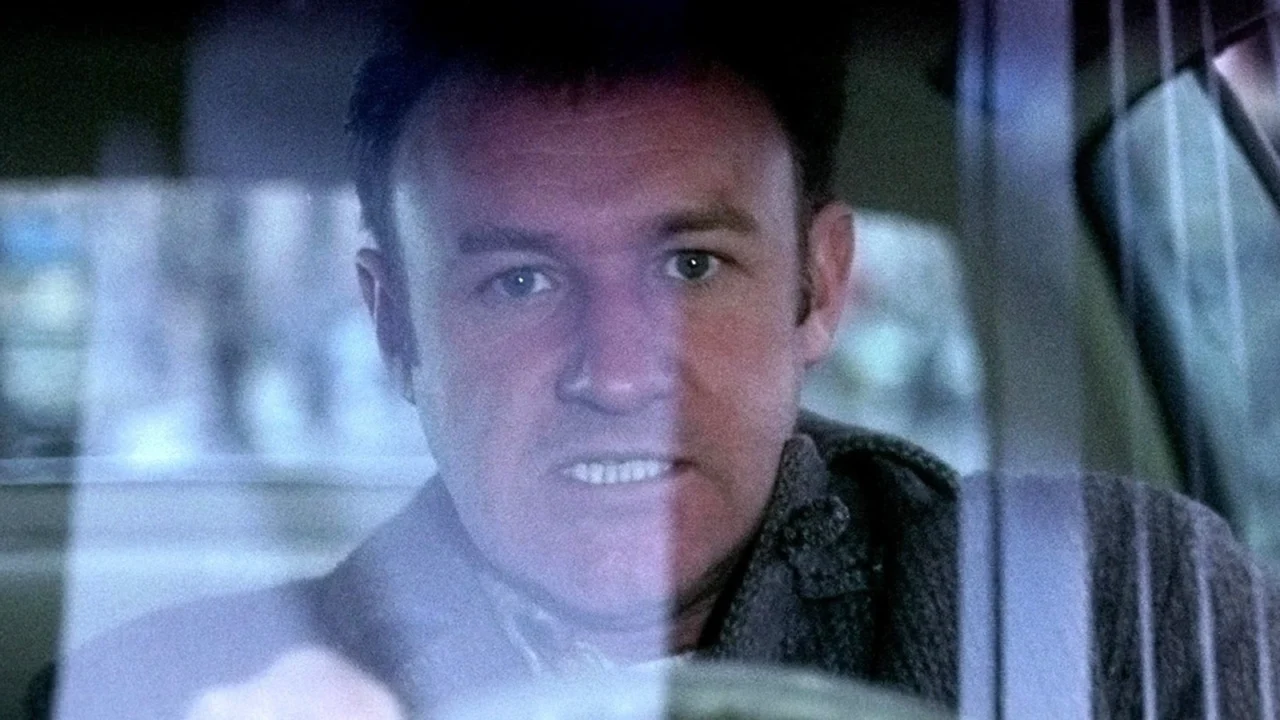
The French Connection
 Image: 20th Century Fox/Everett Collection
Regarding the specific neo-noir thriller that influenced The Mandalorian and Grogu, Favreau points to one of cinema’s most visceral sequences.
“It’s less about the film as a whole and more about specific, evocative beats that echo cinematic history,” he says. “In one sequence, we were definitely drawing inspiration from the intensity and mechanics of the chase in The French Connection.”
William Friedkin’s 1971 masterpiece, The French Connection, remains a benchmark for the crime genre. Featuring Gene Hackman and Roy Scheider as detectives unraveling an international drug pipeline, the film secured five Academy Awards, including Best Picture. Its centerpiece is a legendary, high-octane pursuit through the streets of Brooklyn—a scene achieved through unorthodox, high-stakes filmmaking that involved reckless speeds and sheer nerves to capture the grit of a real-world pursuit.
While the exact manifestation of this influence in the new film remains a mystery, the prospect of Favreau integrating such a kinetic, unconventional style into the Star Wars universe is a thrilling evolution for the franchise.
The Mandalorian and Grogu arrives in theaters May 22.
Disclosure: This article is based on information provided during a press event in Los Angeles. Disney covered travel expenses for Polygon. For more details on our standards, visit our editorial ethics policy.
Source: Polygon
Related articles
 Arc Raiders Creator Admits Fan Divide Risk Over Requested Game Modes
 Modder Working on RTX Remaster of Call of Duty: World at War Releases First Screenshots
 Digital Foundry Releases Optimized PC Settings Guide for The Witcher 3 Remaster
 Archive Materials Suggest Wing Commander 3 Remaster May Be in Development After 32 Years
 Hacker leaks gameplay of nude Lucia from GTA VI, but players focus on other details
 Epic Games Delays Marvel-Star Wars Crossover Game Amid Generative AI Push
 Phantom Blade Zero Receives AAA Budget While Maintaining Indie Spirit
 Netflix Unveils New Look at Greta Gerwig’s Narnia Movie