
The 10 Biggest Problems with Wednesday Season 2
Wednesday season 2 has wrapped, and regrettably, a large portion of the show’s charm evaporated with it. I entered the latter half of this season cautiously optimistic — but many narrative choices left me feeling misled rather than delighted.
Between baffling plot turns and moments that felt engineered for virality more than storytelling, these are the ten choices from Wednesday season 2 part 2 that struck me as the strangest.
Ed. note: Spoilers ahead for Wednesday season 2 part 2.
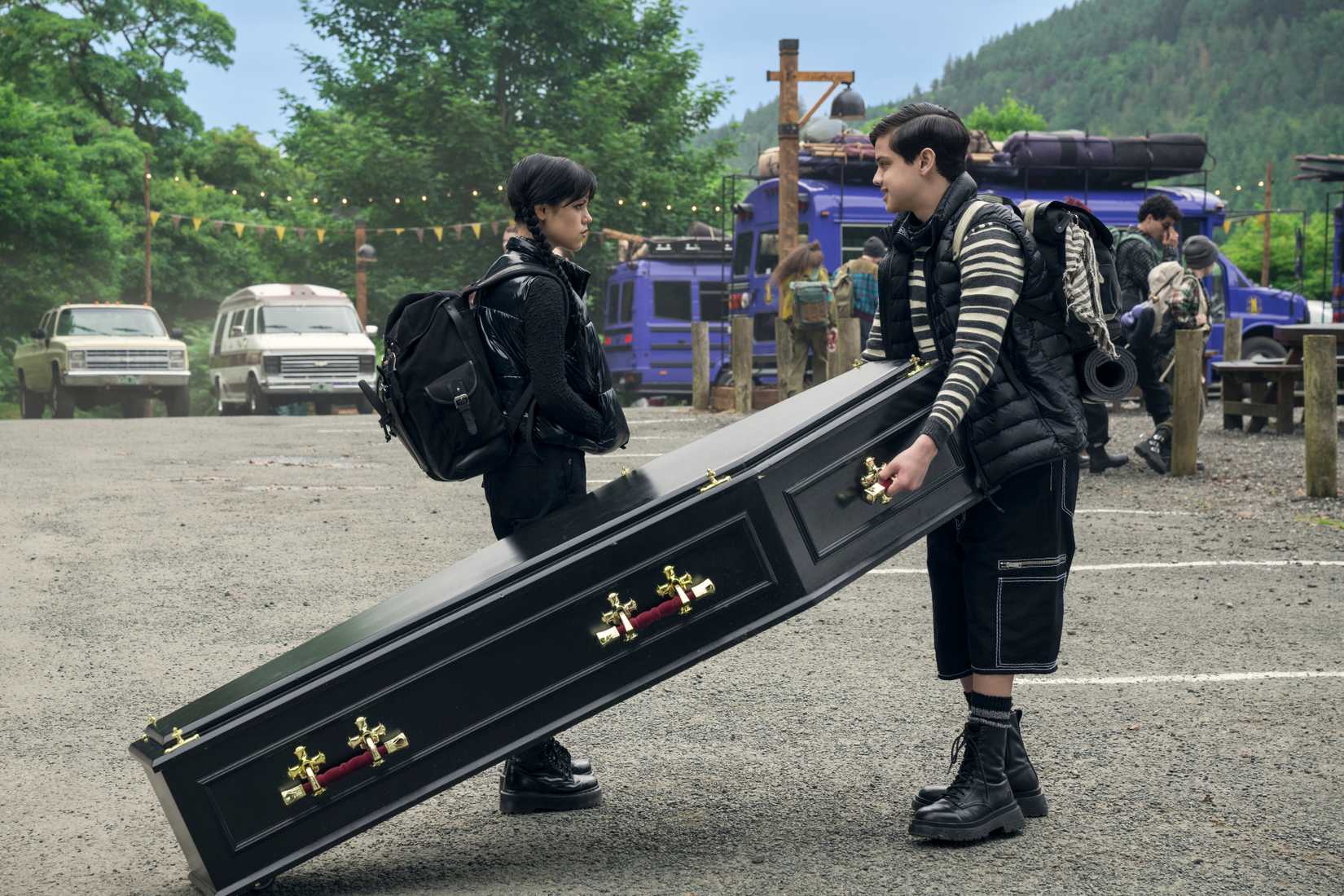 Image: Netflix
10) Pugsley and Wednesday’s dynamic
Wednesday has always been the magnetic center of any Addams story, but part 2 reduces Pugsley to a near-background figure. He’s present, yet rarely given meaningful beats — and the siblings share surprisingly few scenes despite attending the same school. As someone who enjoys watching different sibling dynamics, it was disappointing that most of Pugsley’s screen time revolves around odd side plots or his interactions with Gomez rather than genuine sibling moments with Wednesday.
Yes, the show juggles many relationships, but if family ties are meant to matter here, the series owes us fuller, more resonant Addams-family interactions.
 Image: Netflix
9) Enid and Bruno’s cheating storyline
Bruno’s arc is treated as a central romantic thread for Enid, but it rarely earns that prominence. When Bruno is exposed for cheating and then later forgiven, the plot leans into melodrama without delivering convincing emotional stakes. The reconciliation in episode 7 only to have Enid reject him again after an awkward reappearance from his ex feels contrived and unsatisfying.
Romance on this show — aside from classic Gomez-and-Morticia chemistry (and a tentative hint between Bianca and Ajax) — often lands as grating rather than affecting.
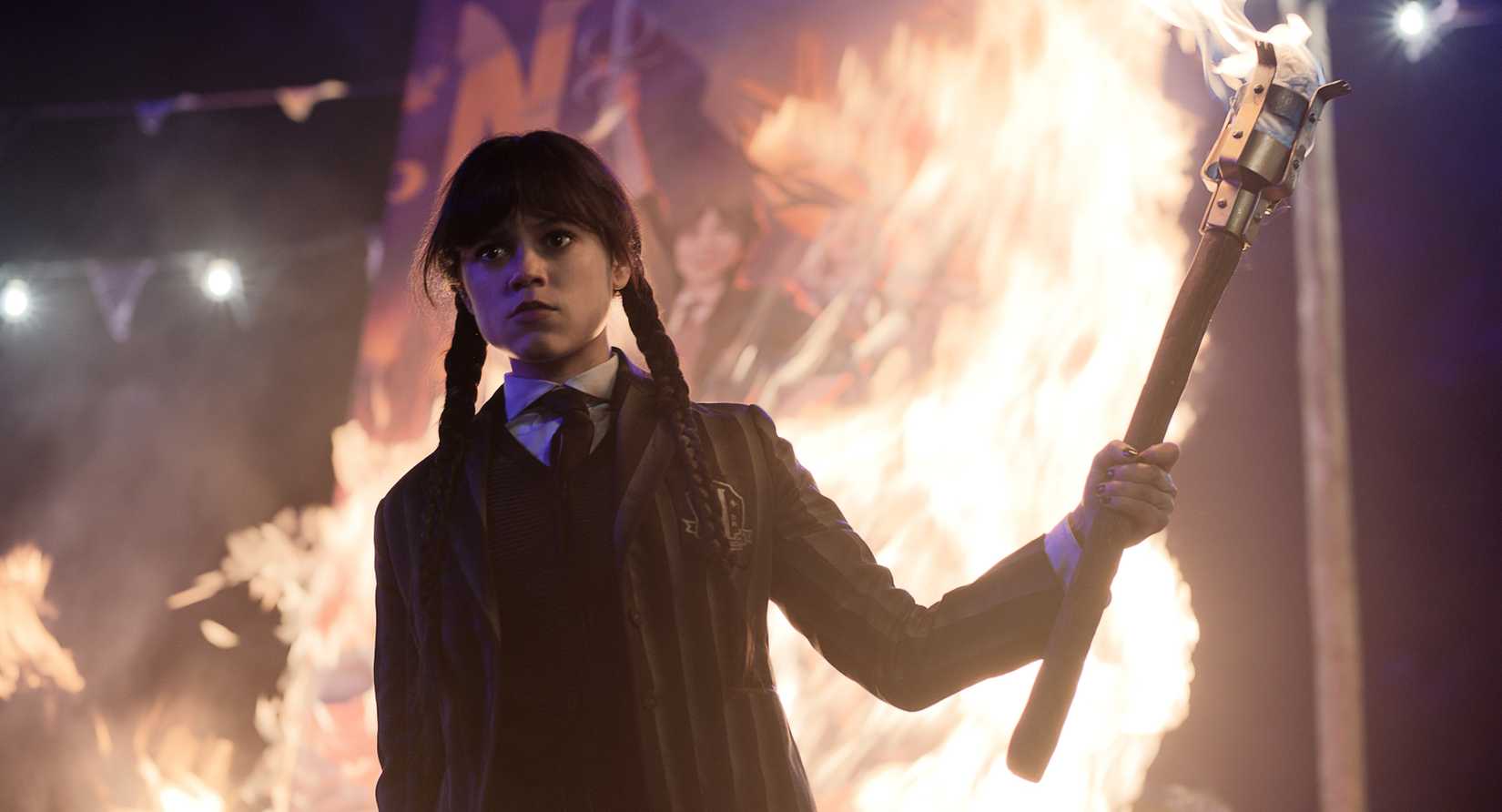 Image: Netflix
8) Wednesday’s coma that lasts under ten minutes
A dramatic device like a coma should carry consequences — for relationships, investigations, and the emotional stakes of the story. Instead, Wednesday’s brief unconsciousness is treated as a hiccup: resolved almost immediately and without meaningful fallout. That lightweight handling robs the moment of tension and makes the show’s stakes feel diminutive.
 Image: Netflix
7) Gabrielle Barclay — reduced to silence
Gabrielle’s storyline — about being manipulated by a cult-like figure and losing agency — had the potential for nuance. Instead, the show sidelines her voice so thoroughly that she rarely speaks or asserts herself. It’s troubling to give a character such an emotionally fraught arc and then deny them meaningful agency within it.
I don’t begrudge Bianca stepping forward; the inversion of parent-child roles is compelling. But Gabrielle’s treatment often reads as tokenistic, which undermines the gravity of her ordeal.
 Image: Netflix
6) Morticia sidelined, again
Season 1 disappointed by underusing the Addamses, so I welcomed their increased presence in season 2 — but part 2 turns Morticia into a comic afterthought. She’s portrayed as furtive about her personal life, even when the show has already established her frank, uninhibited relationship with Gomez. The result is a characterization that feels inconsistent and unnecessarily reductive.
Even the tentative reconciliation between Morticia and Wednesday plays out rushed and unearned; their conflict resolves too quickly after major confrontations, which diminishes the emotional payoff.
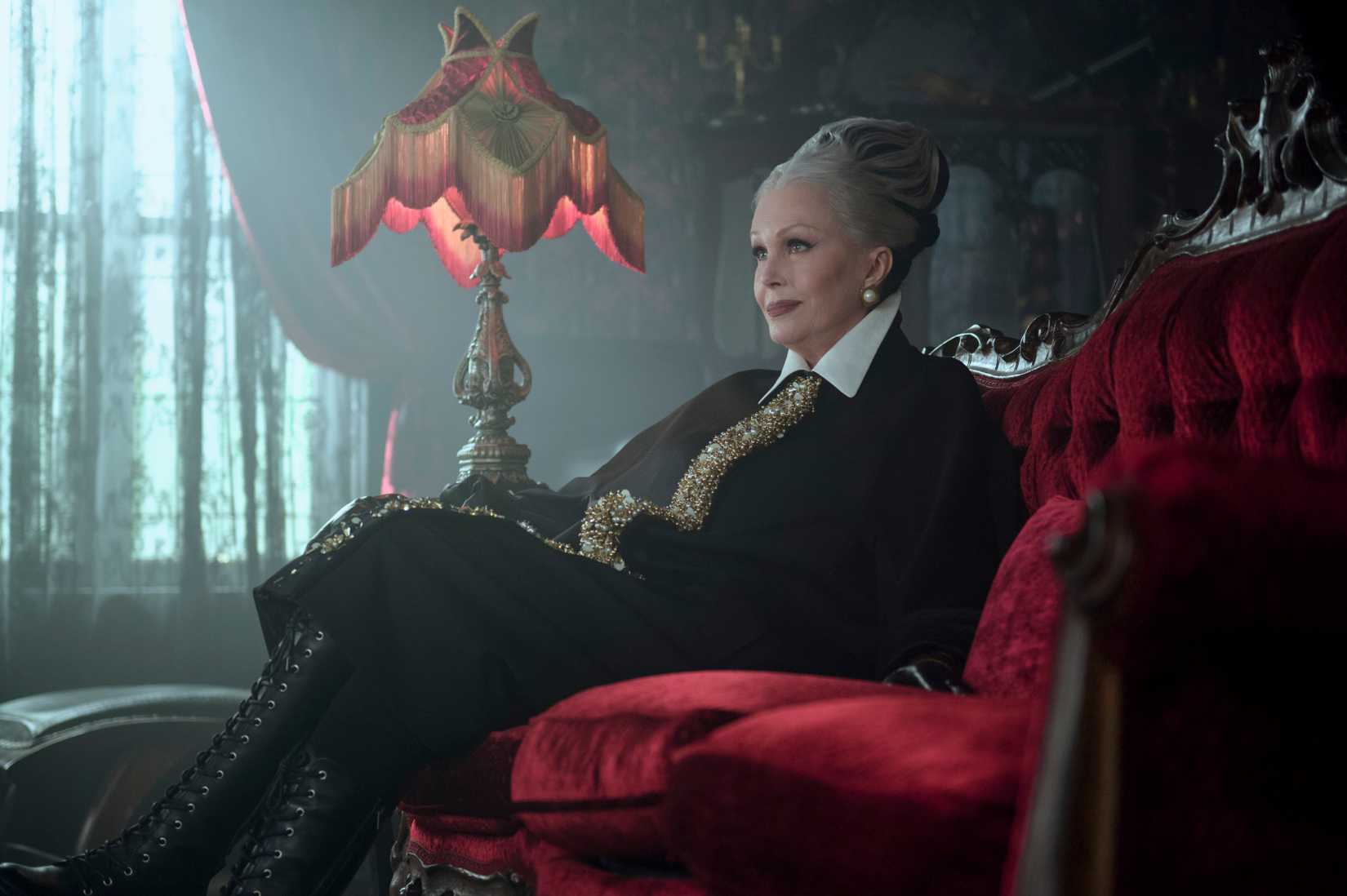 Image: Netflix
5) Hester Addams expresses prejudice
The show attempts to explore prejudice but often does so clumsily. Turning Hester into an antagonist who targets Gomez for lacking supernatural powers strains credibility — the Addamses traditionally embrace outsiders, and making one of the family’s elders into a zealot feels tonally and thematically off.
Worse, using analogues like conversion camps for fantastical oppression risks trivializing real-world traumas rather than offering thoughtful commentary.
 Image: Netflix
4) Enid and Agnes’ dance number
The musical sequence between Enid and Agnes works on a character level: it helps repair their relationship and exposes Principal Dort’s duplicity. Dramatically, it’s earned and satisfying.
However, the scene also reads like a deliberate attempt to manufacture another viral moment — a clear echo of season 1’s famous “Goo Goo Muck” dance. I understand why the show would seek another repeatable moment, but the effort feels a bit too calculated.
For reference, season 1’s dance became a social-media phenomenon, with fans remixing the choreography and soundtrack. The show seems keen to recreate that lightning in a bottle.
 Image: Netflix
3) Weak narrative links between part 1 and part 2
Part 2 frequently ignores or underdevelops plot threads introduced in part 1. Hints about Augustus Stoneheart’s scheme and the Outcasts’ fate vanish without consequence, and several mysteries set up earlier are resolved hurriedly or abandoned. That lack of cohesion makes whole arcs feel like afterthoughts rather than components of a unified story.
Enid’s foretold death, for instance, is dispatched quickly instead of being mined for ongoing suspense, which undercuts the season’s promise of long-form mystery.
 Image: Netflix
2) The Galpin family drama dominates
Part 2 devotes a disproportionate amount of time to Isaac, Francois and Tyler Galpin. Their conflicts — kidnappings, experiments, and inter-family tension — crowd the narrative and eclipse Wednesday’s own arc. While the family dynamics could be compelling, the show rarely gives Francois and Isaac the emotional depth necessary for viewers to invest in their plight.
Tyler’s portrayal as a sympathetic figure is also uneven; we’ve seen him plot violence, which makes it difficult to empathize with him without stronger justification from the writers.
 Image: Netflix
1) The separation of Enid and Wednesday
The strongest episode in part 2 is the body-swap installment — it’s clever, tightly plotted, and raises genuine stakes for both characters. Most importantly, it foregrounds the emotional core of the series: Wednesday and Enid’s bond.
Whether you prefer them as close friends or read them as a potential romantic pairing (the showrunners have denied that direction), their connection is the show’s heartbeat. They challenge and protect one another, and their chemistry is why I kept watching despite the season’s many missteps.
The season closes with Wednesday and Uncle Fester racing to find Enid after she makes an irreversible sacrifice to save Wednesday — a finale that reminds viewers why those two characters should never be marginalized again.
Source: Polygon
Related articles
 «Barbie» Sequel Confirmed
 “Battle for the Bit” star to lead new horror film from producer Sam Raimi
 Potential Director for New “Jurassic World” Movie Identified
 Fallout Star Walton Goggins to Star in New Miami Vice
 Eddie Murphy to Star in Drama from ‘Mad Men’ Creator
 The Name of the Merged Paramount and Warner Bros. Company Has Been Revealed
 Bradley Cooper to Star in New G.I. Joe Movie
 Halle Berry accused of child abuse