
Teamfight Tactics Devs Aim for the Moon with Set 17: Space Gods
Teamfight Tactics (TFT) is venturing back into the cosmos. As Riot Games’ premier auto-battler enters its sixth year, it is preparing for the launch of Set 17, titled Space Gods. This latest iteration promises a fresh departure from its predecessors, headlined by a daring decision to overhaul one of the game’s most enduring pillars: the Carousel.
For years, the Carousel has served as a cornerstone of the TFT experience, acting as a crucial comeback mechanic for players languishing at the bottom of the scoreboard. In Space Gods, it is being retired in favor of the “Realm of the Gods.” This new marketplace invites players to commune with celestial deities, trading favor for powerful rewards. While it functions as a functional replacement for the Carousel, its arrival marks a pivotal shift in the game’s design philosophy.
Ahead of the release, I sat down with set design lead Noëmi Couté to discuss the complexities of this transition and the creative hurdles behind the development of Set 17.
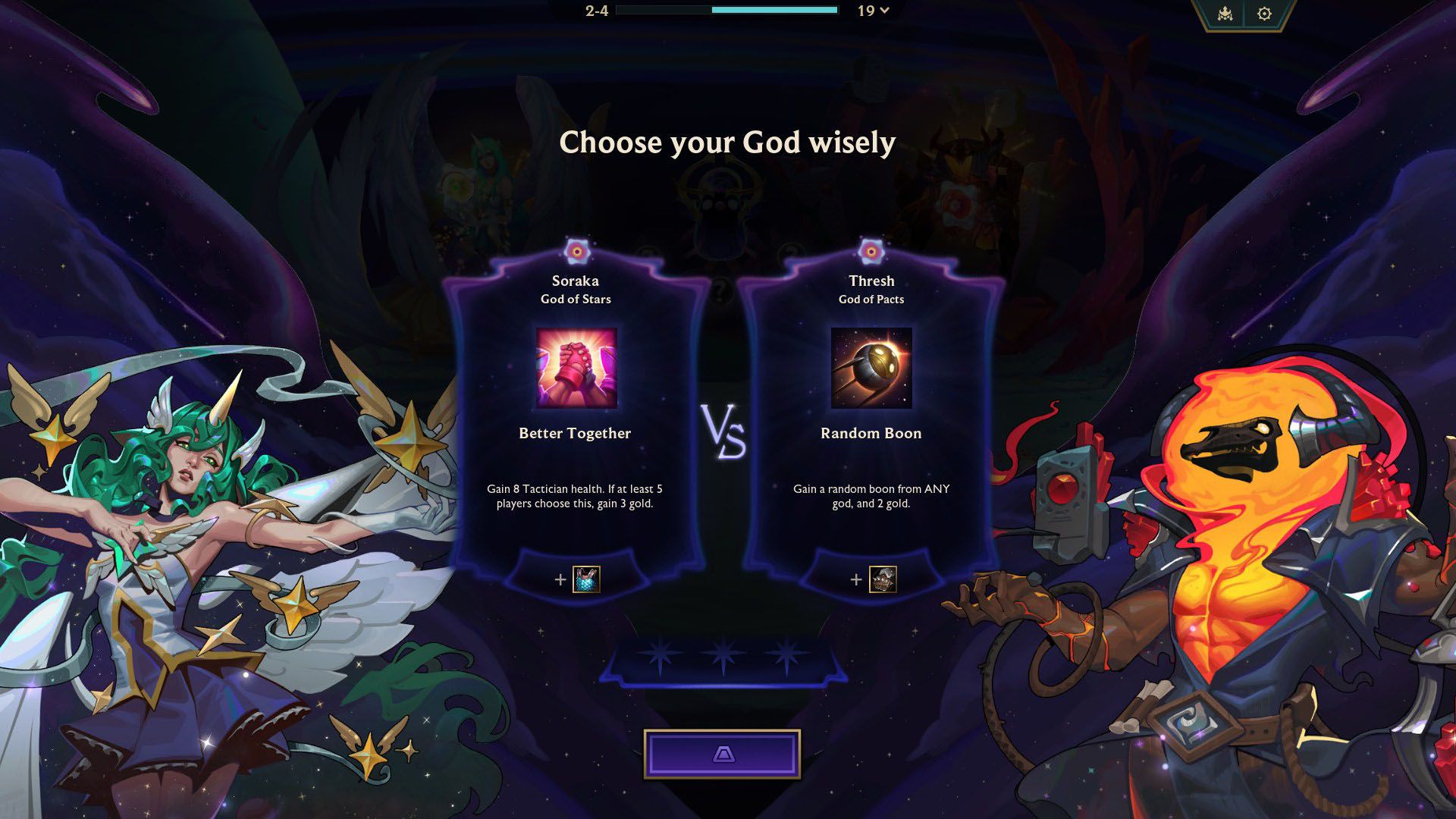
“I consider this set mechanic one of our most ambitious experiments to date,” Couté noted. “To maintain TFT’s position at the vanguard of the auto-battler genre, we must prioritize innovation. Taking risks like this is the only way to keep the experience feeling fresh.”
Combatting the “content treadmill” is a perpetual struggle for live-service titles. Maintaining player retention requires constant evolution, a challenge that intensified for the TFT team when they shifted their release cadence to three full sets annually. Despite these constraints, the team has consistently delivered, with the “Unlocks” mechanic from Lore and Legends quickly becoming a community favorite.
Couté described the internal design process with a touch of candor, comparing it to an elaborate science fair project. The team aimed for the moon—envisioning a complex “bazaar” system where players would visit different vendors like Choncc or Pengu in a socially interactive shopping experience. However, technical limitations and the sheer density of existing game systems forced a pivot.
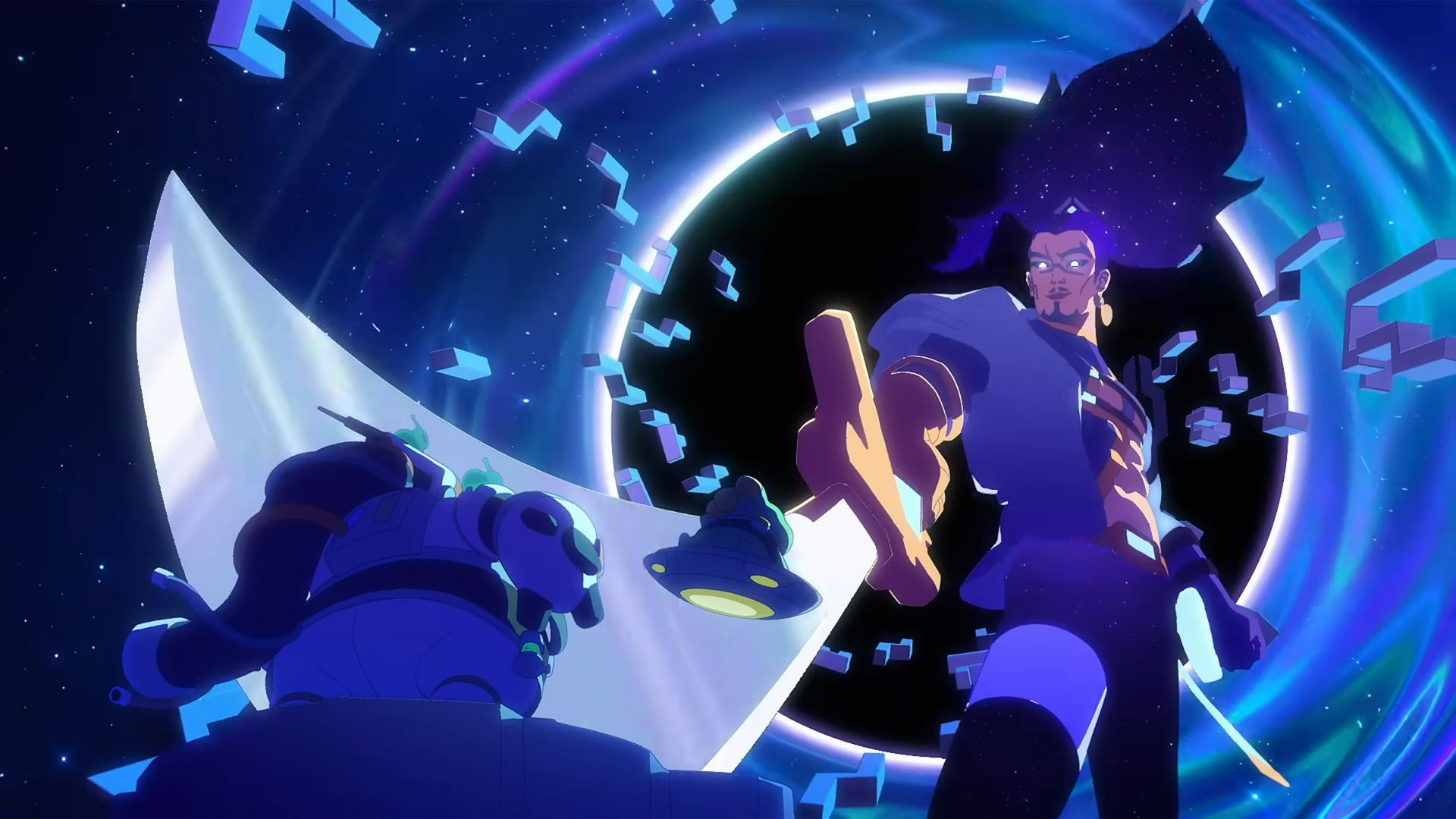
“It turns out our existing tech couldn’t support that vision within our timeframe,” Couté explained. “When we tried incorporating elements like augments, we hit a wall of player resistance. It felt like layering too much complexity onto a core system too quickly. We realized we needed to simplify to preserve the game’s integrity.”
The team cycled through numerous iterations, experimenting with radical overhauls to the round structure and comeback mechanics. They ultimately had to balance the desire to innovate with the risk of alienating veteran players who rely on established rhythms. “Striking that balance between forcing players to adapt and maintaining the game’s core identity was incredibly difficult,” she added.
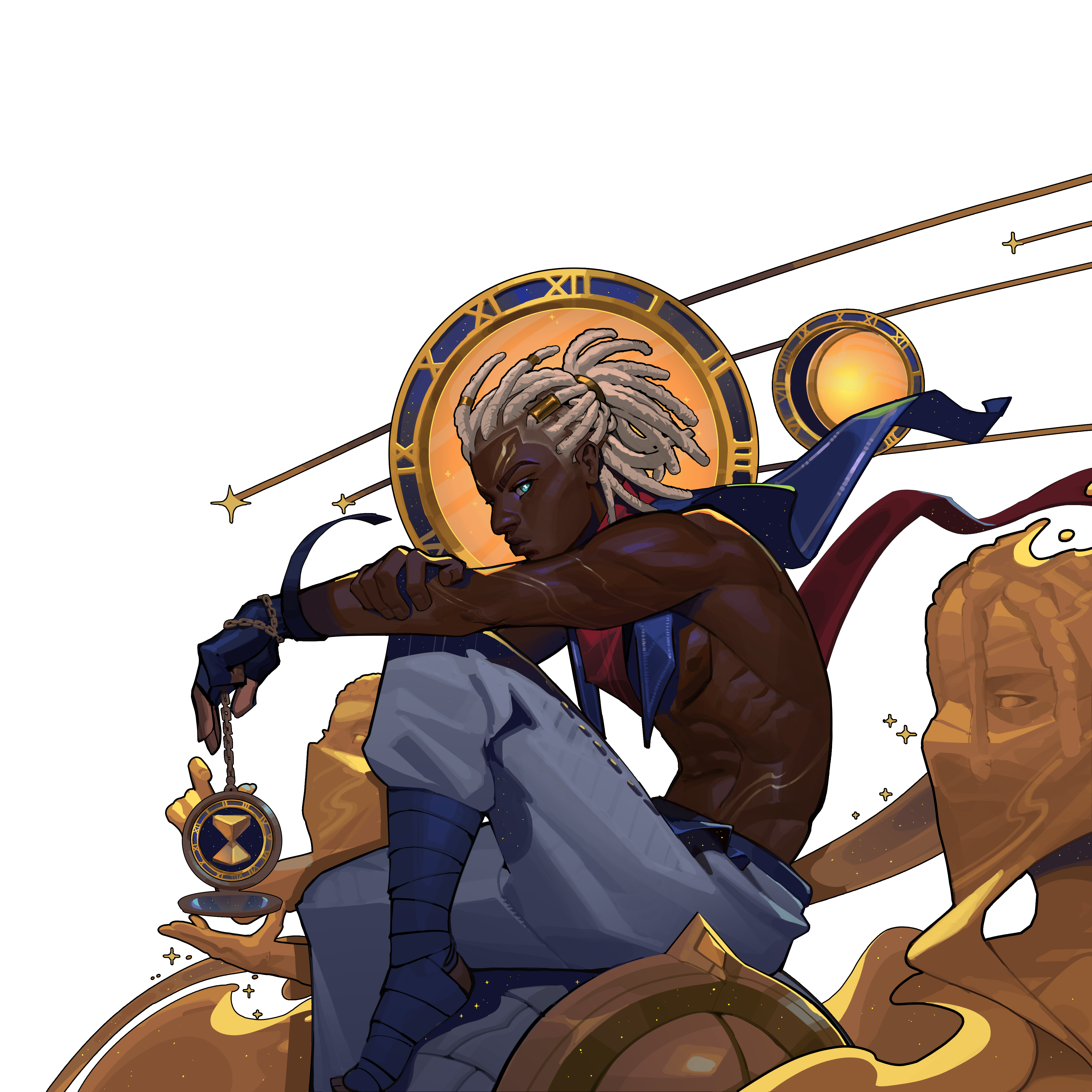
The result is the Realm of the Gods—a refined, impactful system that leans into the thematic brilliance of the set’s divine narrative. While the initial dream of a fully fledged social bazaar remains shelved for now, Couté is optimistic about revisiting it in the future once the team gathers data and refines the underlying technology.
As someone who has played since the early PBE days, I find this culture of risk-taking incredibly refreshing. The Carousel is slated to return in Set 18, but given how previous mechanics like Galaxies and Augments have fundamentally matured over time, there is every reason to believe the Realm of the Gods will leave its own indelible mark on the game’s history.
Source: Polygon
Related articles
 PlayStation Store Price Increases Raise Global Concerns Among Gamers
 Sony Announces All-Black PS5 Console for November Release
 Kenshi Yonezu Sets New Record as Chainsaw Man Jane Doe Music Video Hits 100 Million Views
 ARC Raiders Sees Surge in Steam Popularity
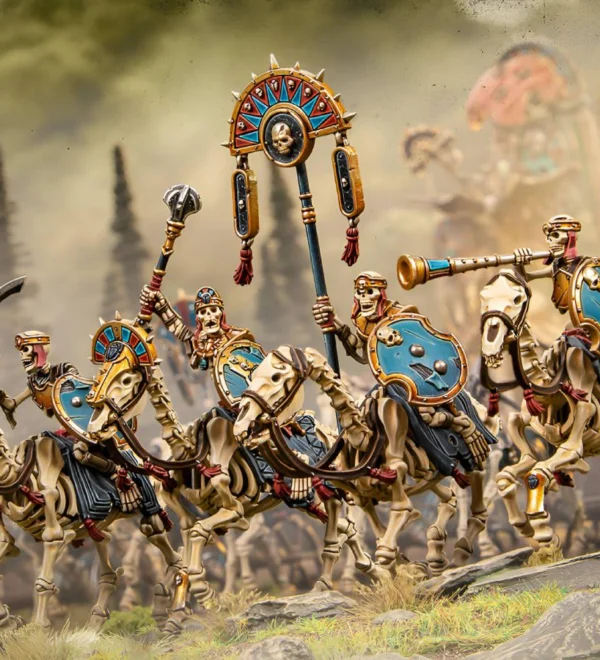 Games Workshop Unveils New Skeleton Horsemen Miniature Set for Warhammer: The Old World
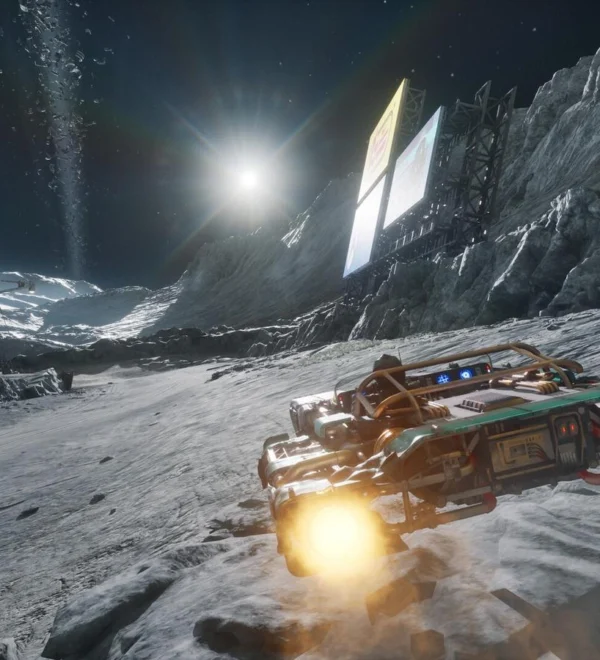 Star Wars: Galactic Racer Developer Criticizes Constant Racing Rewards
 Street Fighter 6 Producer Warns Series Faces Decline Due to Aging Audience
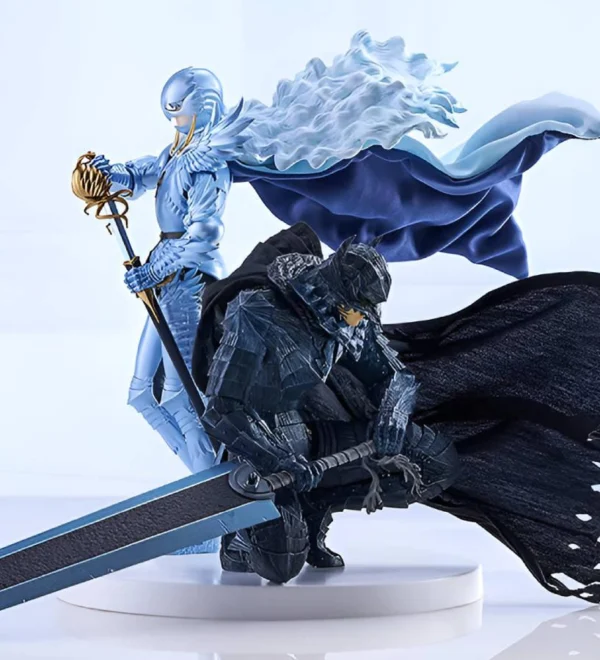 Max Factory Opens Preorders for Berserk Guts and Griffith Figures