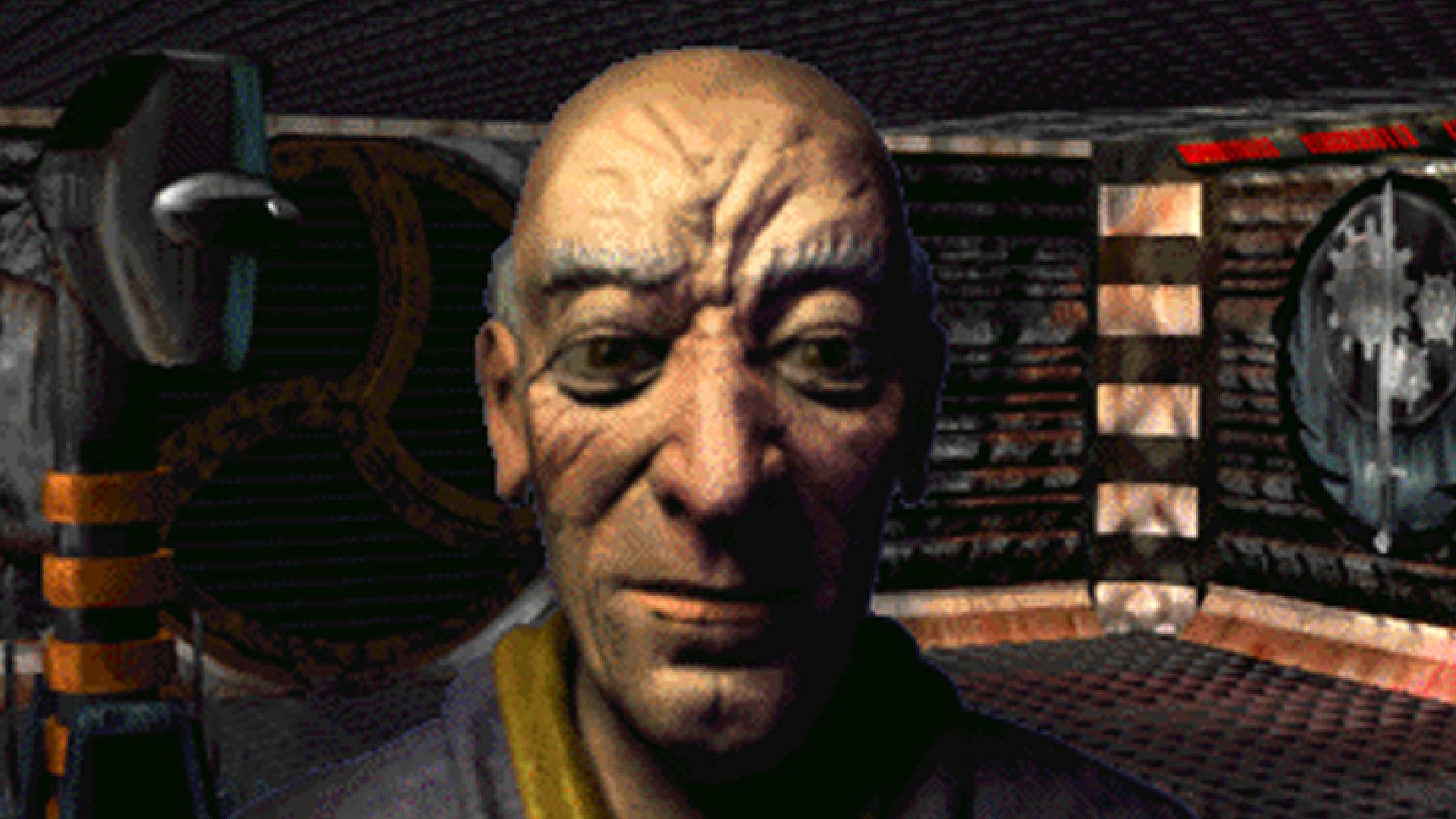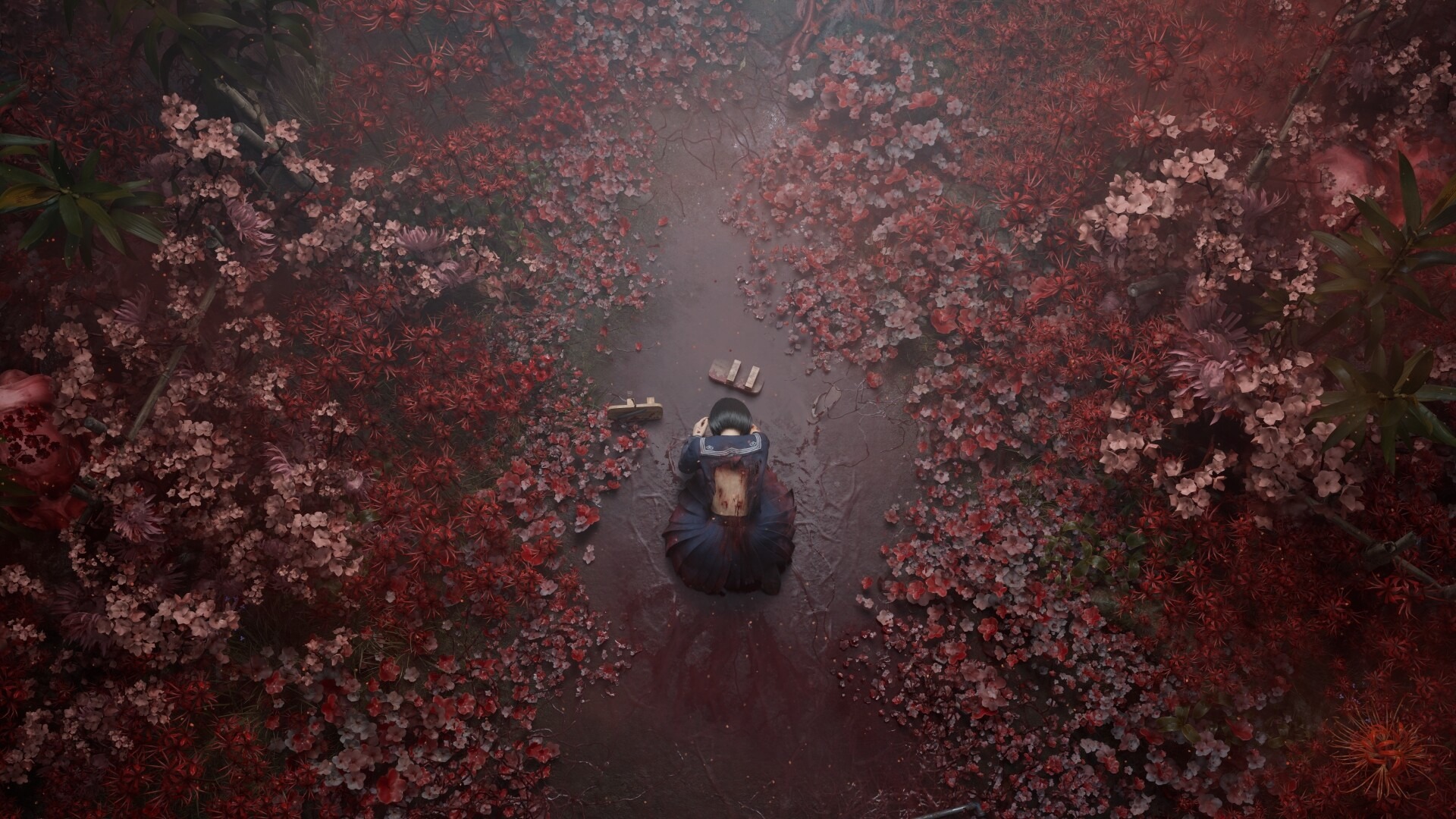
Ryukishi07, the lead writer for Silent Hill f, has revealed that series producer Motoi Okamoto views the franchise’s namesake not as a specific location, but as an atmospheric phenomenon. This clarification addresses how the upcoming title can comfortably transition to a Japanese setting, while simultaneously reinforcing a divisive lore theory introduced in Silent Hill: The Short Message.
While the series was originally anchored to the eerie fog of a fictional American town, it has significantly broadened its scope since Konami’s recent push to revive the brand. This resurgence has been marked by a spectrum of critical receptions, ranging from the polarizing experimental nature of Ascension and The Short Message to the massive acclaim surrounding the Silent Hill 2 remake.
Traditionally, the franchise is defined by the “Otherworld”—a nightmarish, shifting reality that manifests the psychological trauma of those caught within it. Although earlier games occasionally alluded to this supernatural force behaving like a contagious disease, the narrative rarely decoupled the effect from the geographical town of Silent Hill itself.
Ryukishi07, the celebrated creator behind the When They Cry visual novel series, initially questioned how a project bearing the Silent Hill name could feasibly take place in Japan. In a recent interview with Famitsu, he shared that these concerns were a primary topic of discussion during early development meetings.
“I had extensive conversations with producer Okamoto after accepting the role,” Ryukishi07 explained. “I wanted to know why we were moving to Japan and what ‘Silent Hill’ actually represents. We ultimately concluded that Silent Hill isn’t merely a place on a map; it is a phenomenon. Embracing that concept allowed me to establish a strong, satisfying foundation for the game’s world and narrative.”
This “phenomenon” theory was first explicitly canonized in The Short Message through an in-game document. The note describes the manifestation of the Otherworld in Germany as the “Silent Hill Phenomenon,” directly linking it to the historical events of the original US town. By moving the setting to Europe and now East Asia, Konami is clearly signaling a new era for the series that transcends its original borders.
As is common with the franchise, this expansion of lore remains open to interpretation. While some long-time fans may be hesitant to accept this broader definition, there is a general consensus of excitement regarding the creative potential of exploring horror through diverse international lenses.
Following the successful launch of the Silent Hill 2 remake, Konami reportedly aims to maintain this momentum by targeting a release schedule of roughly one new Silent Hill title every year.