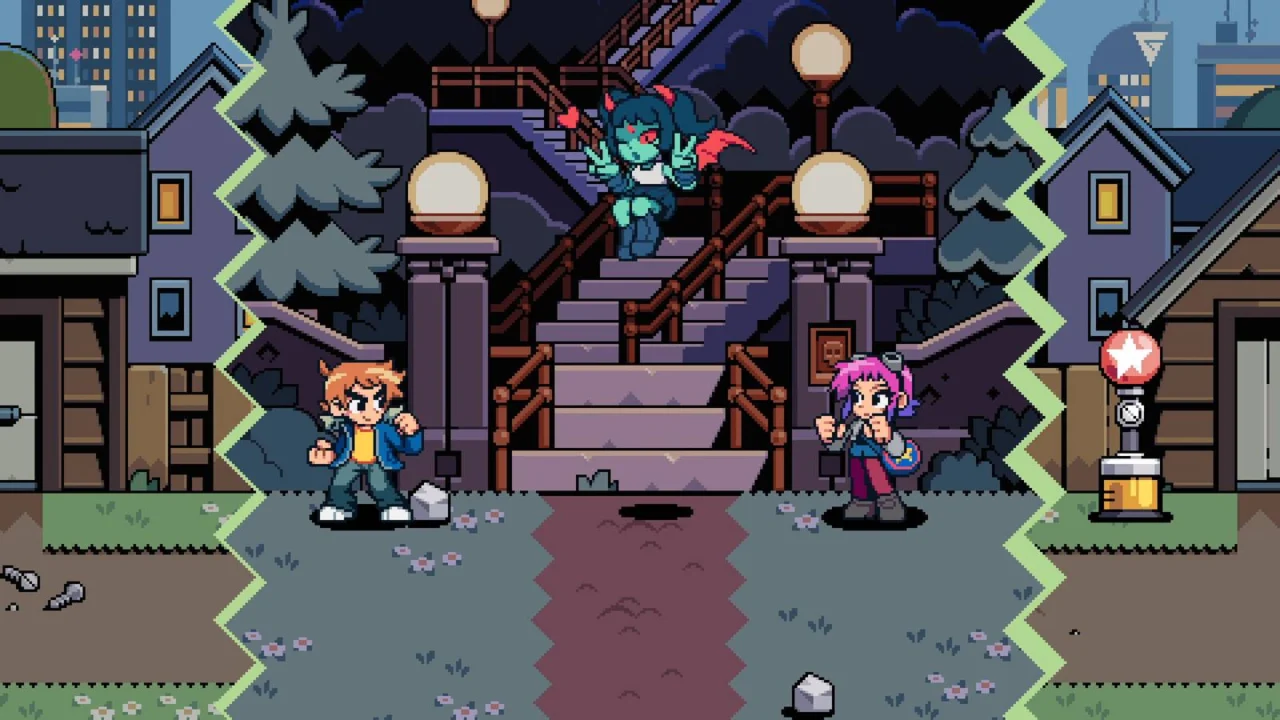
Scott Pilgrim EX: Retro Nostalgia Without the Coming-of-Age Depth
Scott Pilgrim vs. the World has always functioned as a gritty parable about the messy pursuit of emotional maturity and the weight of past indiscretions. Its animated successor, Scott Pilgrim Takes Off, took an ambitious pivot by granting Ramona Flowers the agency to confront her own baggage rather than remaining a prize to be won. However, in Tribute Games’ latest brawler, Scott Pilgrim EX, the thematic depth is set aside in favor of a simpler premise: the gang punching robots into scrap metal.
Functioning as a kaleidoscopic tribute to the retro classics that birthed Bryan Lee O’Malley’s graphic novels, Scott Pilgrim EX prioritizes a relentless stream of nostalgia over cerebral storytelling. From Super Mario Bros. to River City Ransom, the game is saturated with visual gags and genre tropes. While the developers at Tribute Games—fresh off their success with Teenage Mutant Ninja Turtles: Shredder’s Revenge—are masters of the craft, this title occasionally falters by failing to replace its missing narrative weight with truly substantial gameplay innovation.
Scott Pilgrim EX leans heavily into the aesthetic of a mid-90s arcade tie-in. The premise is straightforward: Toronto has fallen under the heel of nefarious vegans and mechanical hordes, leaving Scott and his cohort to reclaim the city. The emotional stakes of the source material—the battles for love and self-worth—are absent. Here, former antagonists become co-op allies in a mission focused purely on combat and power-ups. It is somewhat jarring to see O’Malley’s involvement yield a script so devoid of his signature introspection.
This shift feels particularly noticeable following the subversive brilliance of Scott Pilgrim Takes Off. That series proved O’Malley was still deeply engaged with the evolution of his characters and their journey toward adulthood. It positioned the franchise as a living meta-commentary on growth. Consequently, it’s a bit disheartening that the first new game in over a decade doesn’t carry that same intellectual curiosity. It raises the question: why can’t the medium of play be used for self-examination as effectively as film or comics?
Scott Pilgrim EX isn’t a traditional coming-of-age tale; it is an exuberant celebration of the media that defines that journey.
Perhaps the design philosophy here is that games should speak through action. Scott Pilgrim EX is, above all, a manifestation of pure play. By channeling the unadulterated joy of the titles that sparked O’Malley’s imagination, the experience centers on reliable, high-energy brawling. Players select their avatar, traverse the stylized streets of a futuristic Toronto, and dismantle waves of enemies to collect coins. It is the franchise finally fully realizing its River City Ransom aspirations.
Tribute Games excels at the mechanics of the genre. The combat is crisp and satisfying, with each character possessing a foundational moveset augmented by unique specials. Ramona Flowers delivers bone-shattering hammer strikes, while Roxie Richter utilizes swift, lethal swordplay that showcases the studio’s exceptional sprite work. While I gravitated toward Matthew Patel for his stylish demonic summons, the ability to swap characters throughout the campaign encourages experimentation. The only friction comes from slightly floaty movement that makes the occasional platforming segment feel more cumbersome than it should be.
 Image: Tribute Games
The game’s aesthetic presentation is where Tribute truly flourishes. Avoiding the trap of repetitive urban backgrounds, the developers have crafted a version of Toronto that feels distinct and lived-in. Details like pixelated pigeons fluttering near rail yards or graffiti artists working in the shadows lend the environment an authentic soul. From sun-drenched beaches to industrial districts, the world is vibrant and full of character, far removed from the generic “city levels” of lesser brawlers.
The experience is also a dense tapestry of gaming history. Legally distinct Piranha Plants and “Metal Scott” (a nod to Metal Sonic) provide a constant stream of “aha!” moments. It’s evident that the creators took immense pleasure in excavating their personal gaming histories to populate this world. This sincerity shines through even when the narrative is light.
 Image: Tribute Games
Supported by a fantastic chiptune soundtrack by Anamanaguchi, the game has the right ingredients for a hit. However, Scott Pilgrim EX struggles with its structural ambitions. Rather than a linear arcade romp, the game adopts a 2D adventure format. Progress often requires finding specific items or musical instruments to unlock new paths, which sounds charmingly like The Legend of Zelda but often results in tedious backtracking. The world feels small, yet players spend a significant amount of time traversing the same screens to grind for experience points and currency. This padding stretches a two-hour arcade experience into something much longer, but not necessarily more fulfilling.
 Image: Tribute Games
I admire the attempt to evolve the beat-’em-up genre, much like Absolum did with roguelike elements. Yet, Scott Pilgrim EX overcomplicates its formula without a clear thematic justification. If the game chooses to abandon the series’ traditional emotional weight, its mechanical design needs to convey its own meaning. Without that anchor, the experience risks being overshadowed by its own references.
Ultimately, Scott Pilgrim EX serves as a heartfelt homage to the foundational media that shapes our identities. While the structural experiments don’t always land, Tribute Games has successfully returned the franchise to its roots. It reminds us that before we can unpack our emotional baggage or toxic habits, we first have to learn how to fight our way through the world—one pixelated punch at a time.
Scott Pilgrim EX is available now on Nintendo Switch, PlayStation 4, PlayStation 5, Windows PC, and Xbox Series X. This review was conducted on PC via a pre-release code provided by Tribute Games.
Source: Polygon
Related articles
 Black Ops and Black Ops 2 Developer Demands Activision Share Re-Release Revenue With Original Game Creators
 Dark Soulslike Mortal Shell II Gets Halloween Rotten Autumn Update With Alternate Soundtrack
 PlayStation Founder Gets Why Gamers Want Physical Media to Survive
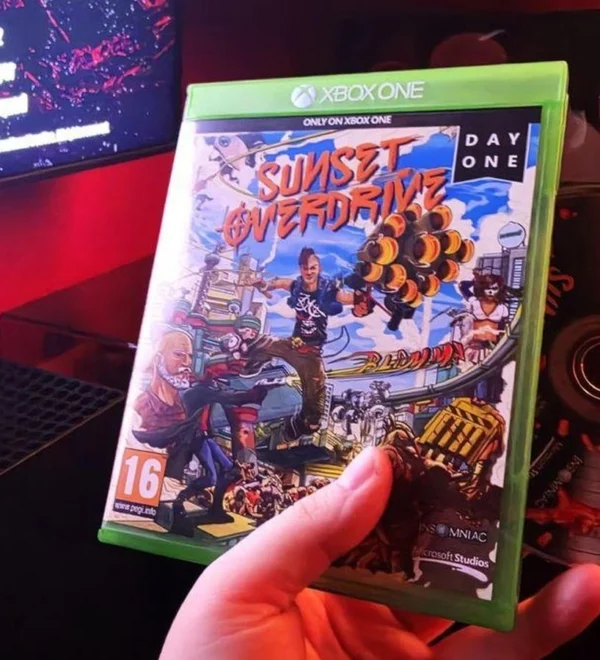 Report: Xbox Not Abandoning Physical Games as Microsoft Seeks Solution for Next Generation
 Epic Games Preparing Major Fall Guys Update Amid Questions Over Game’s Future
 New Game From Psychonauts Creators Has 94% Positive Reviews but Only 99 Players
 Final Fantasy Resonance Earns Better Reviews Than Square Enix’s Previous HD-2D RPG
 Call of Duty: Modern Warfare 4 Campaign Called Best in Series, Earns 92% Positive Reviews