

While official museums dedicated to electronic dance music are rare, you might argue that the most comprehensive archive of rave culture is tucked away inside Pasquale Rotella’s office.
The Insomniac Events headquarters in Calabasas, California, functions as a living museum. It is packed with vinyl records, vintage rave flyers, apparel, and eclectic memorabilia—including a mint-condition Techno Viking action figure. Rotella points to framed pages from 90s staple URB Magazine and a heartfelt letter from a fan, meticulously attached to a record with glitter and paper petals, which he maintains personally. It’s a space that feels like a collision between the imaginative whimsy of Willy Wonka and the visionary ambition of Walt Disney—two figures Rotella deeply admires.
This spirit of grand ambition is on full display as EDC Las Vegas approaches its 30th-anniversary milestone at the Las Vegas Motor Speedway. Following a sell-out within 24 hours of tickets going on sale, the festival is set to host roughly 200,000 attendees daily, cementing its status as a global powerhouse in the festival circuit.
Since its 2012 move from Los Angeles, EDC has become the flagship of an expansive empire. Insomniac’s reach now spans international editions of EDC, legendary domestic festivals like Nocturnal Wonderland, and strategic partnerships with stalwarts like Germany’s Time Warp and Miami’s III Points. The company has evolved into a multi-faceted entity encompassing record labels, fashion, and venue management.
Reflecting on his journey from the illegal, grassroots raves of the early 90s to his current role as a festival mogul, Rotella remains focused on the core values of the scene. In this conversation, he explores the evolution of his life’s work.
On the Mainstream Perception of Dance Music
Despite EDC’s massive attendance, electronic music is often perceived as secondary to pop or hip-hop. Does the genre still exist on the fringes?
“The rave scene matured without the support of the traditional music industry. America was dominated by rock, hip-hop, and country. In the early days, we couldn’t even hire professionals from the industry because our music wasn’t considered ‘legitimate.’ It’s taken decades to earn the level of recognition we have now, which, in some ways, still feels underground. It’s a fascinating dichotomy—even artists sometimes devalue their own standing, choosing to accept lower pay for multi-genre festivals just to gain broader acceptance. I’ve always been satisfied with the culture, but there was always that drive to legitimize it so we could secure legal venues and build something lasting.”
The Role of the Promoter
As you approach the 30th anniversary, what is your mindset?
“I’m always slightly nervous, but I’m focused on longevity. I want this to exist long after I’m gone. The art of the ‘promoter’ is becoming a lost craft. In the traditional concert world, a promoter is often just an executive looking at spreadsheets and ticket analytics. In the rave world, a promoter is a curator—a visionary who builds a community and an experience from the ground up, not just a lineup of headliners. I want to ensure we preserve that spirit.”
Addressing Industry Consolidation
You’ve faced criticism regarding Insomniac’s growth and its influence on the scene. How do you respond to those who fear the ‘underground’ is being corporate-funded?
“There is a lot of misinformation out there. I see myself as a survivor of a culture that has been incredibly hard on its own people. Many of the promoters I started with didn’t survive. I’ve reached a point where I want to be a resource for the next generation of ‘lifers’—those who truly care about the culture. We partner with visionaries, providing them with the resources to build their dreams without dictating their creative process. I don’t need to do this for the money; I do it because I’m a fan. If the soul of this culture were ever lost, I would walk away tomorrow.”
Looking ahead, Rotella remains optimistic. “I feel like I’m just getting started,” he says. “The energy is shifting, and there is so much more to explore. We’re constantly thinking about the future, while never forgetting the pioneers who paved the way. This 30th anniversary is as much theirs as it is mine.”
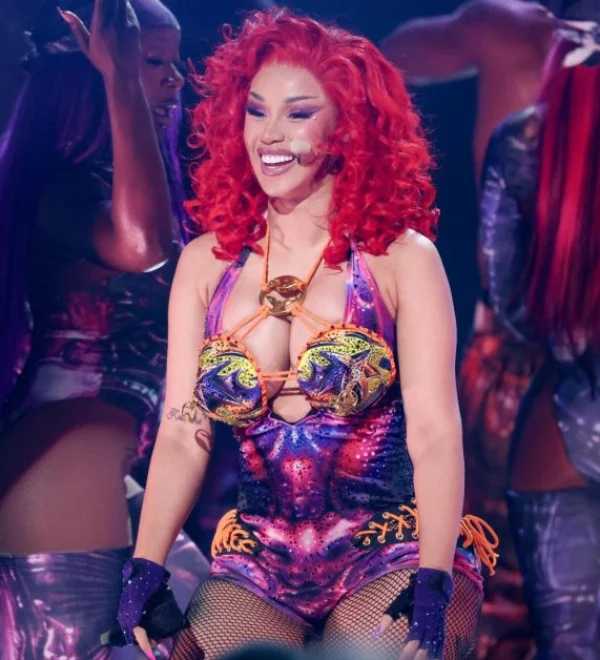 Cardi B Cancels BZR WKND Jamaica Headlining Set
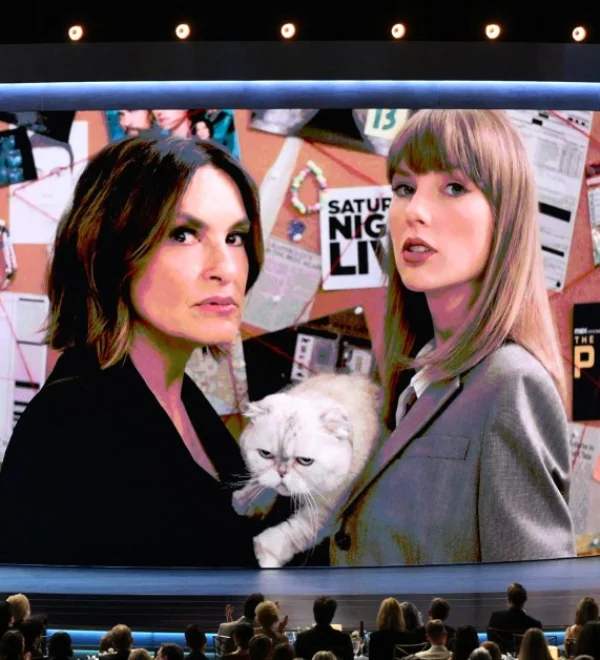 Mariska Hargitay Praises Taylor Swift’s Acting and Cookies on Emmys SVU Set
 KATSEYE Announces Sophia’s Return to Group Activities
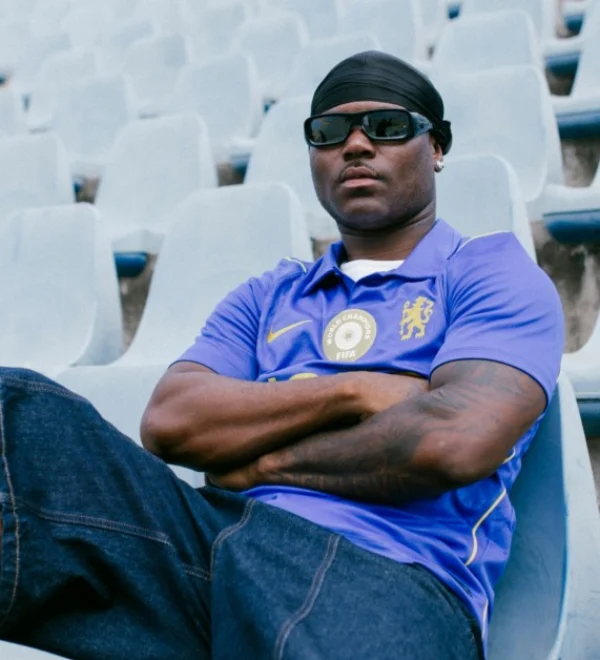 King Promise Teams Up With Chelsea F.C. for New Collaboration ‘Can’t Tame Us’ and Mini-Documentary
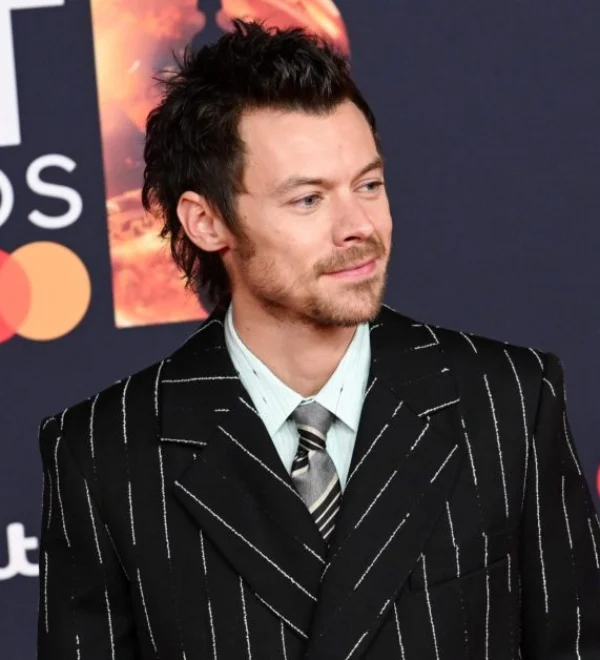 Harry Styles Reveals How an Outgoing Girlfriend Made Him Less Afraid to Be in Public
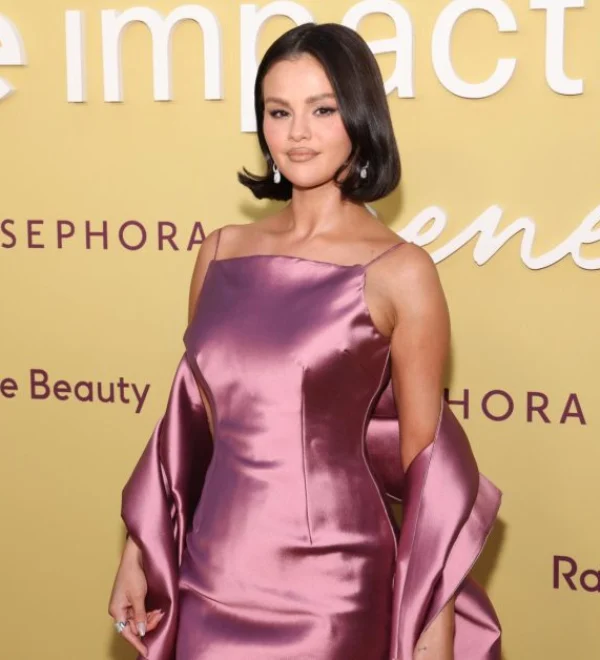 Selena Gomez’s Rare Impact Fund Benefit Sets Leon Bridges and Bella Kay as Performers
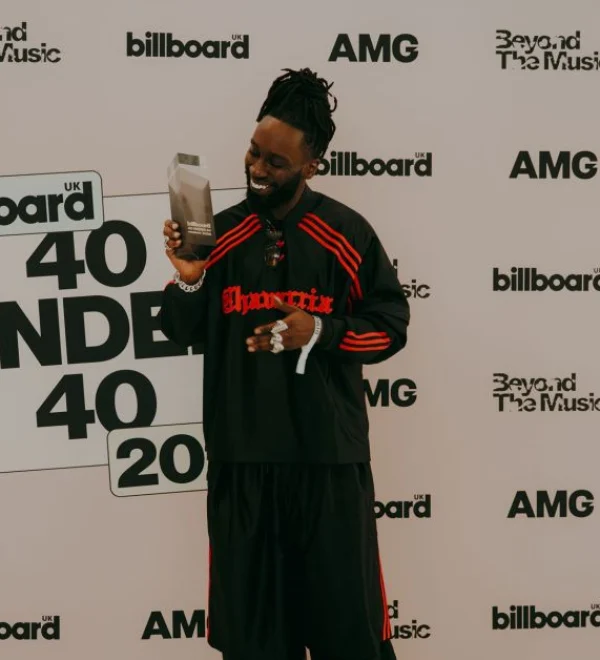 Billboard U.K. Hosts 2026 40 Under 40 Honors Event in Manchester
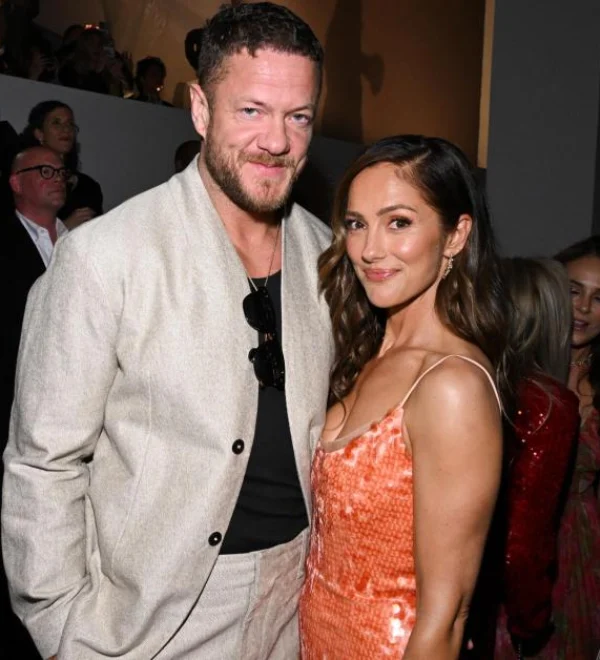 Imagine Dragons Frontman Dan Reynolds and Minka Kelly Split After Four Years Together