Pokémon’s relationship with style has been uneven. For years the games forced fixed outfits on players, and when customization finally arrived it often felt half-baked. Pokémon Legends: Z-A, however, flips the franchise’s approach to clothing: it embraces both classic silhouettes and contemporary trends in a way the series hasn’t previously attempted.
That progress is welcome, but there’s one notable absence: cultural variety. For a title that repeatedly frames itself around unity and coexistence, the wardrobe’s lack of cultural breadth feels like an odd omission.
What makes Legends: Z-A stand out is how naturally the pieces read on a character. Instead of strict, labeled collections, the game offers broad categories—athleisure, everyday basics, streetwear—that combine into believable, city-ready outfits. Streetwear here is loose by design: a hoodie, a layered denim shirt, slim or wide-leg jeans, patchwork trousers, overalls, henleys and plain tees all coexist under the same banner, giving players lots of flexible options.
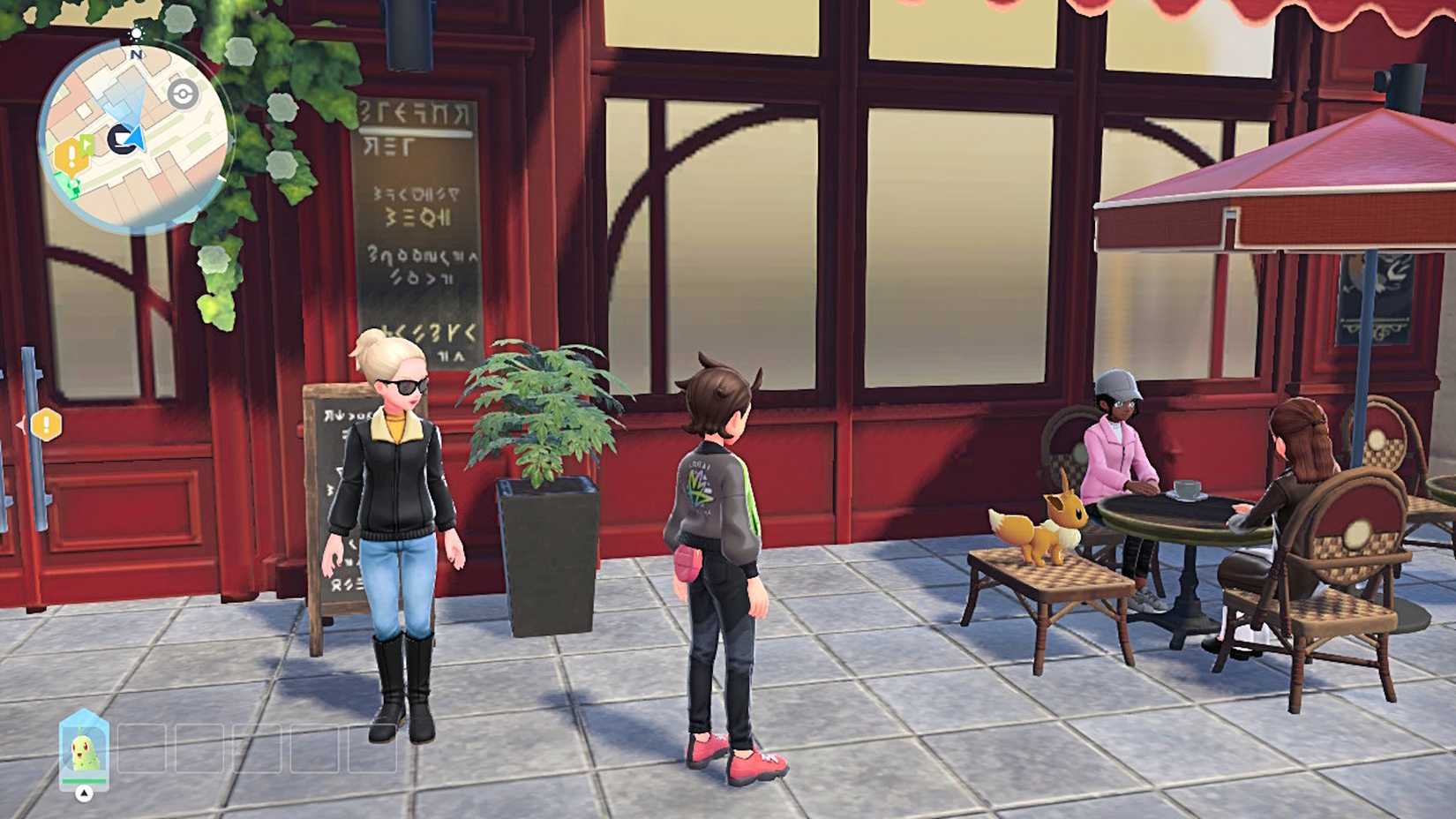
Many of Z-A’s pieces strike a smart balance between immediacy and longevity. Unlike past entries that felt tied to particular locales, the garments here—trench coats, ribbon-adorned blouses, crop tops, leather jackets, sweater-knit shirts—read as wardrobe staples that will still feel relevant years from now. Even the default starter outfit—a plain white shirt tucked into straight-leg jeans—works as a versatile foundation when paired with a satchel and solid shoes.
Color options in Legends: Z-A are more consequential than simple palette swaps. A boutique biker jacket, for example, comes in the classic black-and-red leather but also in a tan variation that suggests a tweed-like, more sophisticated finish. Many items offer similarly useful variants: chinos in solids and plaids, shorts in multiple hues—small differences that let you construct several distinct looks from just a handful of pieces.
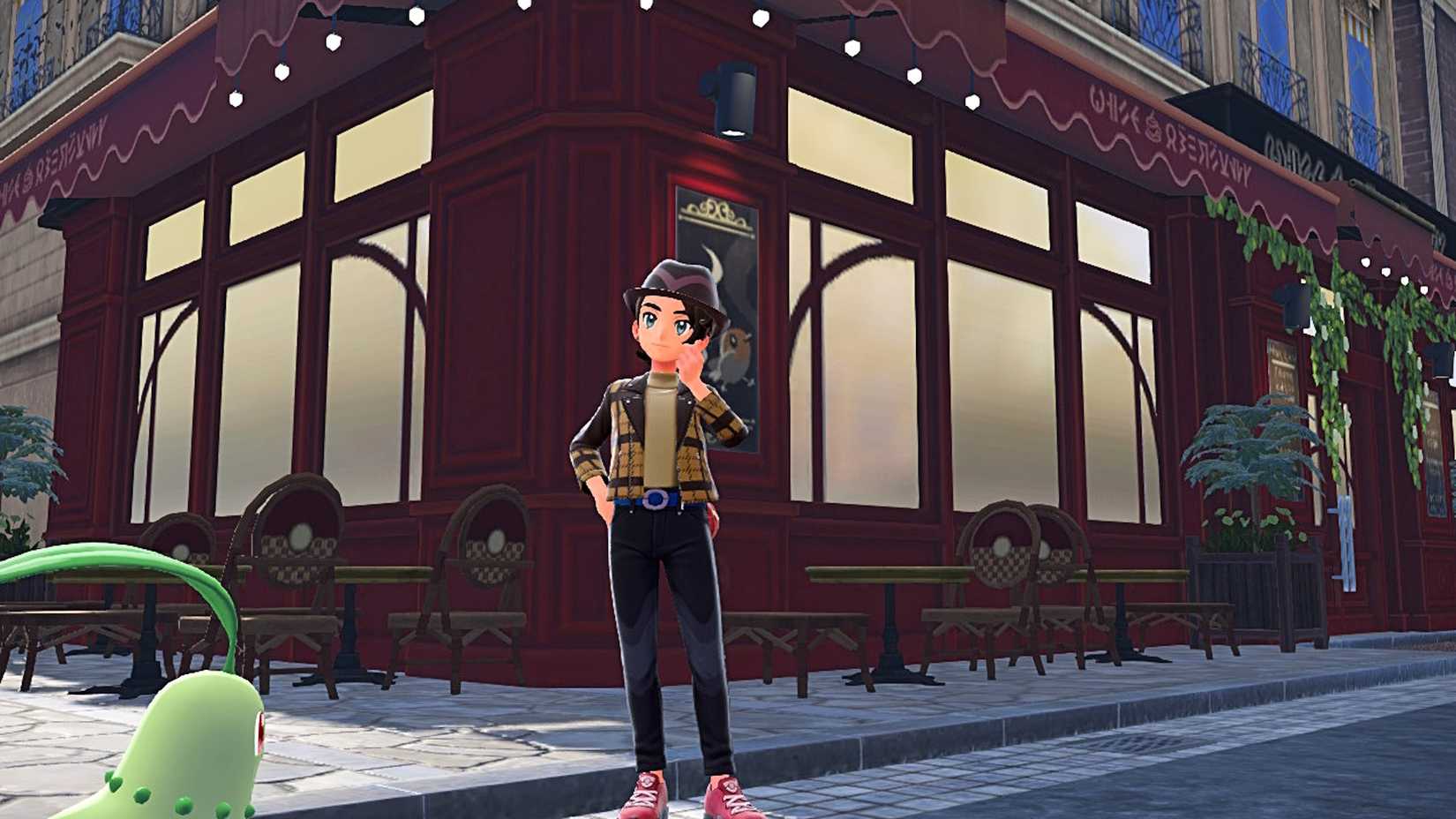
One practical omission is layering flexibility. You can’t, for instance, pair that tweed-toned biker jacket with a separate base tee the way you might in real life; the game’s layering controls are more limited than they could be. The included layered garments are well designed, but more granular mixing and matching would have deepened the customization experience.
The more glaring shortfall is a lack of cultural and stylistic diversity. Nearly every item in the game feels polished and curated—ripped jeans look designer-made and carry matching price tags—creating an environment that reads as suited to one aesthetic and one socioeconomic slice of the population. There’s no clear underground scene, no punk or grunge presence, and little sign of experimental haute couture; the city feels uniform rather than plural.
Variety matters because clothing is a language of identity. A game premised on building harmony out of difference would be stronger if it offered a wider range of cultural signifiers and subcultures to choose from. You don’t have to share the same background or style to live together, and a richer wardrobe would better reflect that ideal.
Source: Polygon