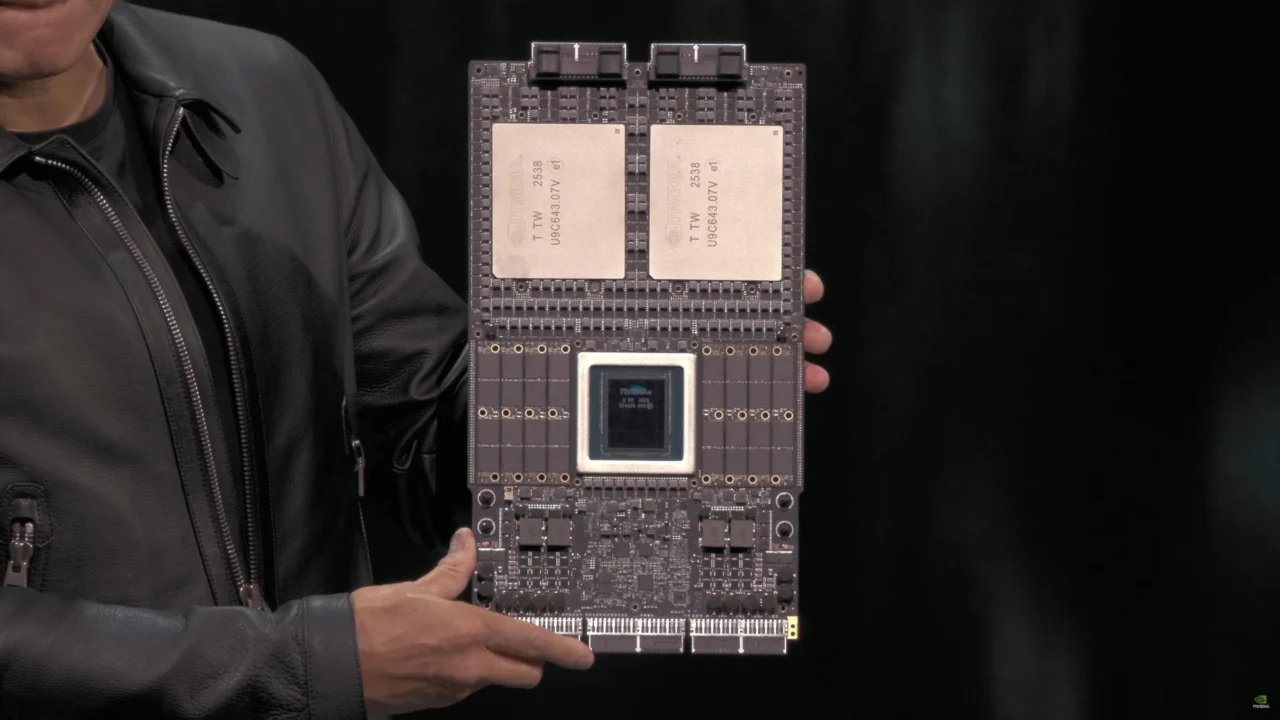
NVIDIA Begins Production of Rubin GPU, New AI Architecture for 2026
NVIDIA has started manufacturing its next-generation graphics processors under the codename Rubin. These chips are intended to power future AI systems and are anticipated to arrive on the market in 2026.
Rubin was first revealed at GTC 2025 in Washington. There, CEO Jensen Huang introduced the Vera Rubin Superchip — a configuration that pairs two high-performance GPUs with a new “Vera” CPU and LPDDR memory arranged around the package. The design targets large data centers where AI compute requirements are accelerating rapidly.
After Huang visited a TSMC fab, it was confirmed that Rubin has already moved onto production lines. Until recently only engineering samples existed, underscoring how quickly development has progressed. Amid record demand for Blackwell and Blackwell Ultra, TSMC has increased output on its 3 nm process by 50%.
At the same time, NVIDIA is evaluating HBM4 memory, procuring samples from SK Hynix, Micron, and Samsung to mitigate potential supply shortfalls. SK Hynix was the first to begin shipping HBM4, once again outpacing its competitors.
Mass production of Rubin GPUs is planned for the third quarter of 2026, though ramp-up could commence earlier. The Rubin architecture will serve as the new foundation for AI accelerators and is already linked to a major NVIDIA–OpenAI agreement to supply chips for forthcoming data centers.
According to NVIDIA, Rubin will become the “new standard” for AI infrastructure and will be the most powerful GPU the company has ever produced.

Source: iXBT.games
Related articles
 Rumor: Positive Playtest Feedback Could Bring PvE Mode to International Arc Raiders
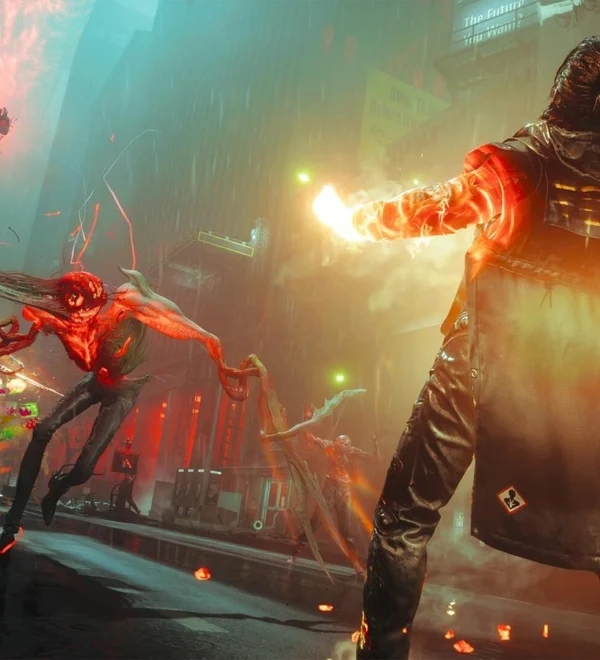 Remedy Explains Why Control Resonant Physical Edition Will Release Later
 Players Reject Polish Survival Game Honeycomb After Disappointing Launch
 Sonic Racing: Crossworlds to be Rereleased with Six DLC Packs and Bonuses
 tinyBuild to Showcase Anticipated Steam Game and Other Titles Tomorrow
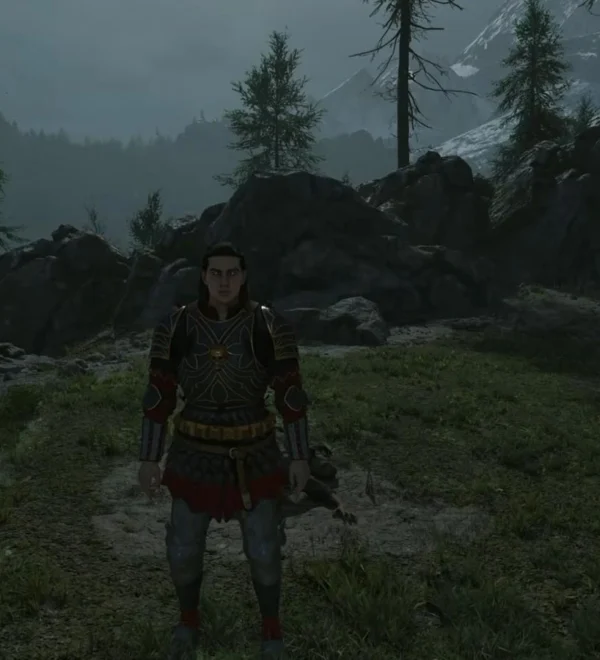 Mod Adds New Game Plus and Bat Flight to The Blood of Dawnwalker
 Sony Faces Fan Criticism Over Digital Game Policies Amid Legal Hypocrisy Accusations
 Godzilla Minus Zero Director Discusses Steven Spielberg Influence on Sequel