My initial encounter with the visual direction of Dragon Quest 7 Reimagined triggered an involuntary flinch. Perhaps I had become too accustomed to the series’ recent penchant for opulent HD-2D aesthetics, but this new look caught me completely off guard. With its clay-like character models, trinket-esque monsters, and miniature-world environments, it bore a striking resemblance to a high-budget animated feature from DreamWorks. However, as I delved deeper into the adventure, I realized that this stylistic choice wasn’t a drawback. On the contrary, I’ve grown to admire Reimagined’s aesthetic because it perfectly articulates the soul of Dragon Quest 7: it is, at its heart, an RPG crafted for a younger audience.
Debuting originally on the PlayStation in 2000, Dragon Quest 7 is a notoriously gargantuan turn-based epic centered on a world-restoration quest. Players step into the boots of a nameless protagonist who traverses time to recover forgotten continents and anchor them back in the present day. The narrative unfolds through episodic vignettes localized on individual islands. These tales are often whimsical and occasionally absurd; in one instance, the party discovers a village suffering from a bizarre hex that transforms the entire populace into animals.
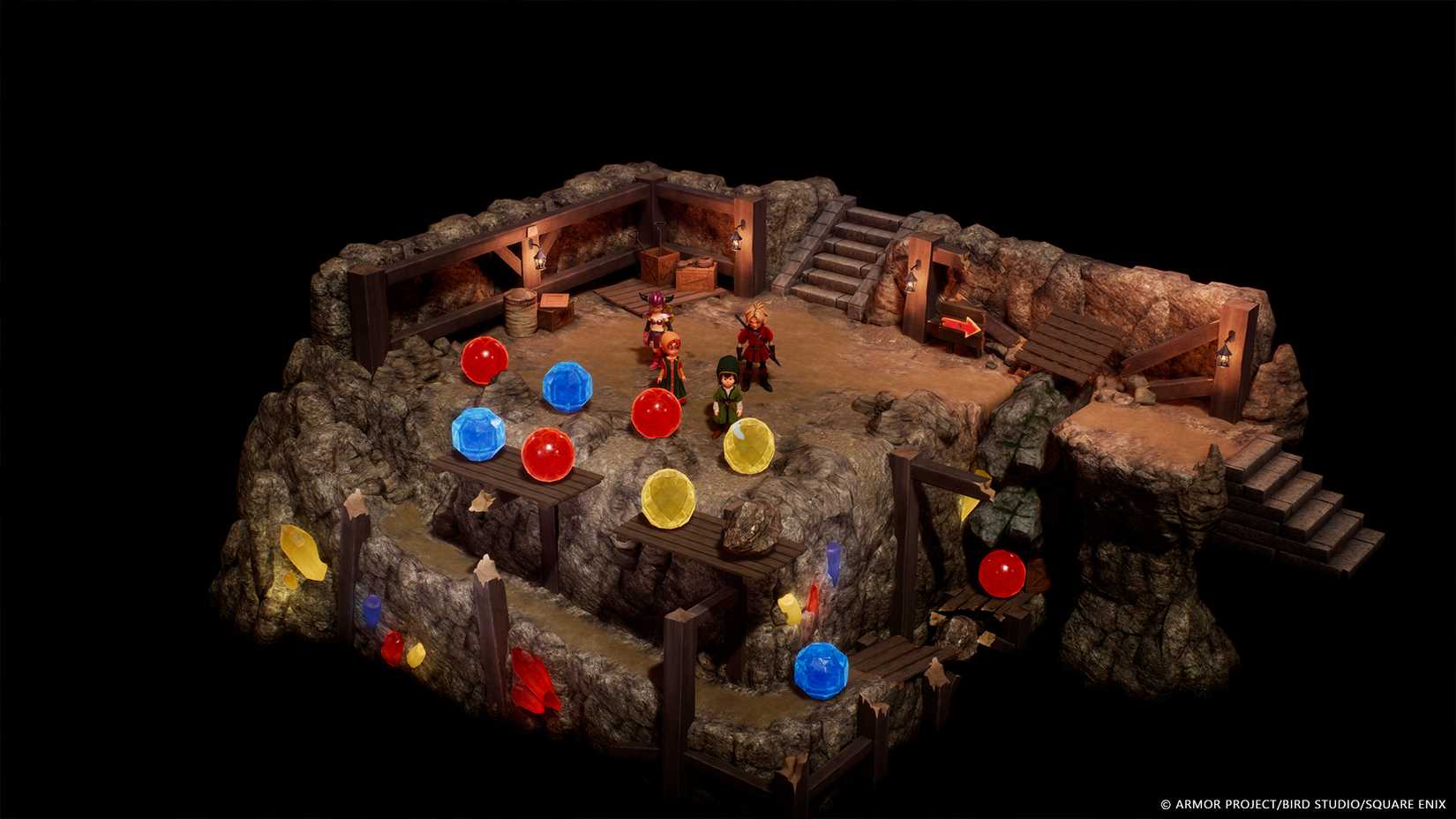
While an overarching plot involving a deicidal antagonist eventually emerges, the tone remains resolutely un-grim. It is a gentle, vibrant odyssey about children mending a broken world, echoing the spirit of a classic Saturday morning cartoon. It functions much like a flagship Nintendo title, albeit with a significantly higher word count. This isn’t a critique; rather, there is a profound joy in experiencing a high-quality RPG that champions the transformative power of youthful idealism.
Dragon Quest 7 Reimagined doesn’t just preserve this innocence—it amplifies it. Instead of pandering to the nostalgia of aging fans who played the original, it extends a welcoming hand to a new generation by smoothing out the genre’s traditional friction and difficulty. While some veteran critics are divided on this accessibility, the general consensus celebrates its breezy momentum. The most significant shift, however, is the “toy box” presentation. Eschewing the cinematic realism of modern blockbusters, Reimagined looks like a collection of physical playsets. The iconic blue slimes appear so tactile and charming that they feel as though they belong on a board game path rather than in a digital menu.
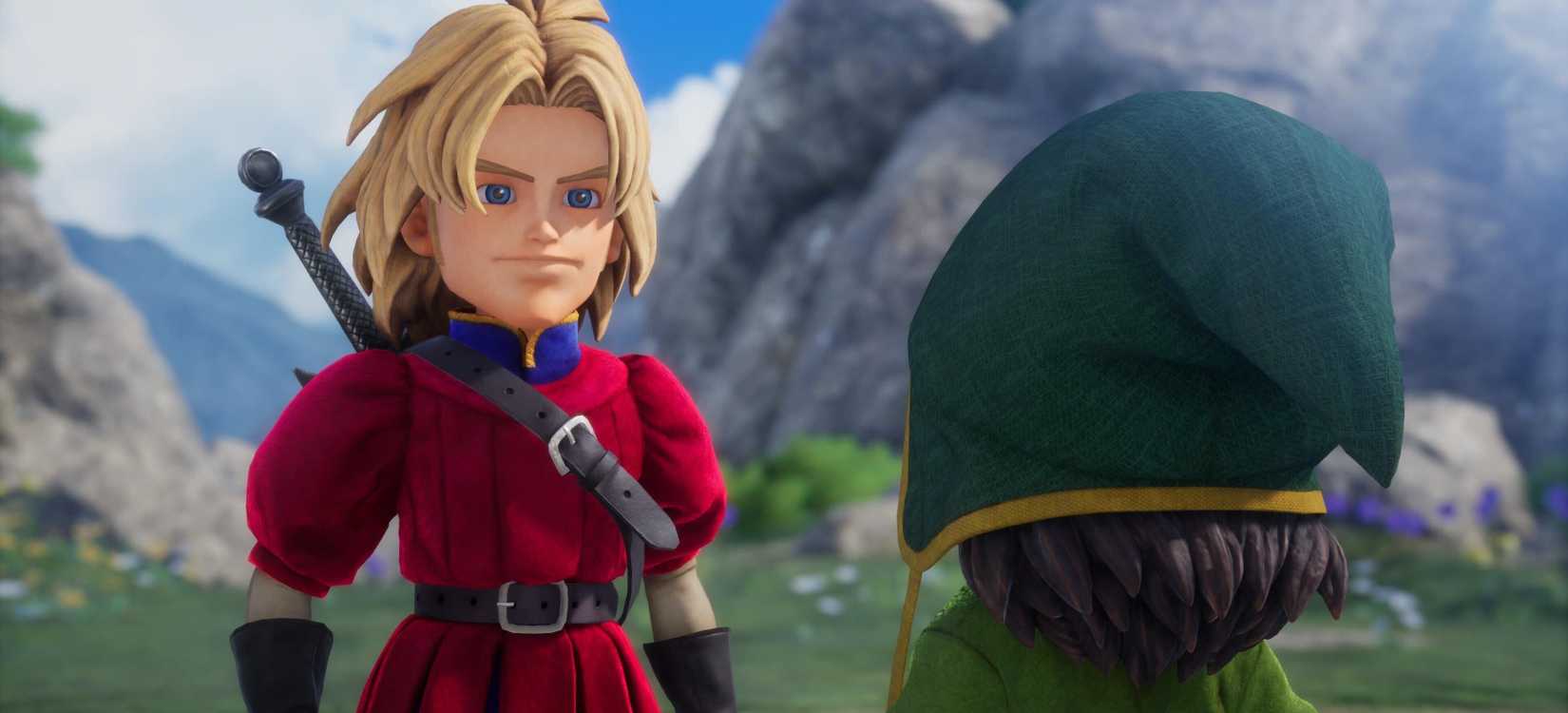
Acclimating to this style takes effort, largely because the character models occasionally tip into the uncanny. While intended to honor the legendary Akira Toriyama, the designs sometimes veer into “DreamWorks Face” territory. Prince Kiefer, for example, shares a suspicious amount of DNA with Lord Farquaad thanks to his smug, expressive smirk. It can be jarring initially, yet it ultimately feels appropriate once you accept that Dragon Quest 7 isn’t interested in being a gritty war chronicle; it’s a spirited jaunt for the young and the young-at-heart.
I can empathize with the purists who struggle with this interpretation. During the original’s era, technical constraints often blurred the lines between “all-ages” and “mature” aesthetics. In the year 2000, Dragon Quest 7’s bright palette was simply the industry standard. However, with the vast technological toolkit available in 2026, Square Enix has the luxury of being explicit about its intent. Reimagined wears its kid-friendly nature on its sleeve, and the visuals are the primary communicator of that identity.
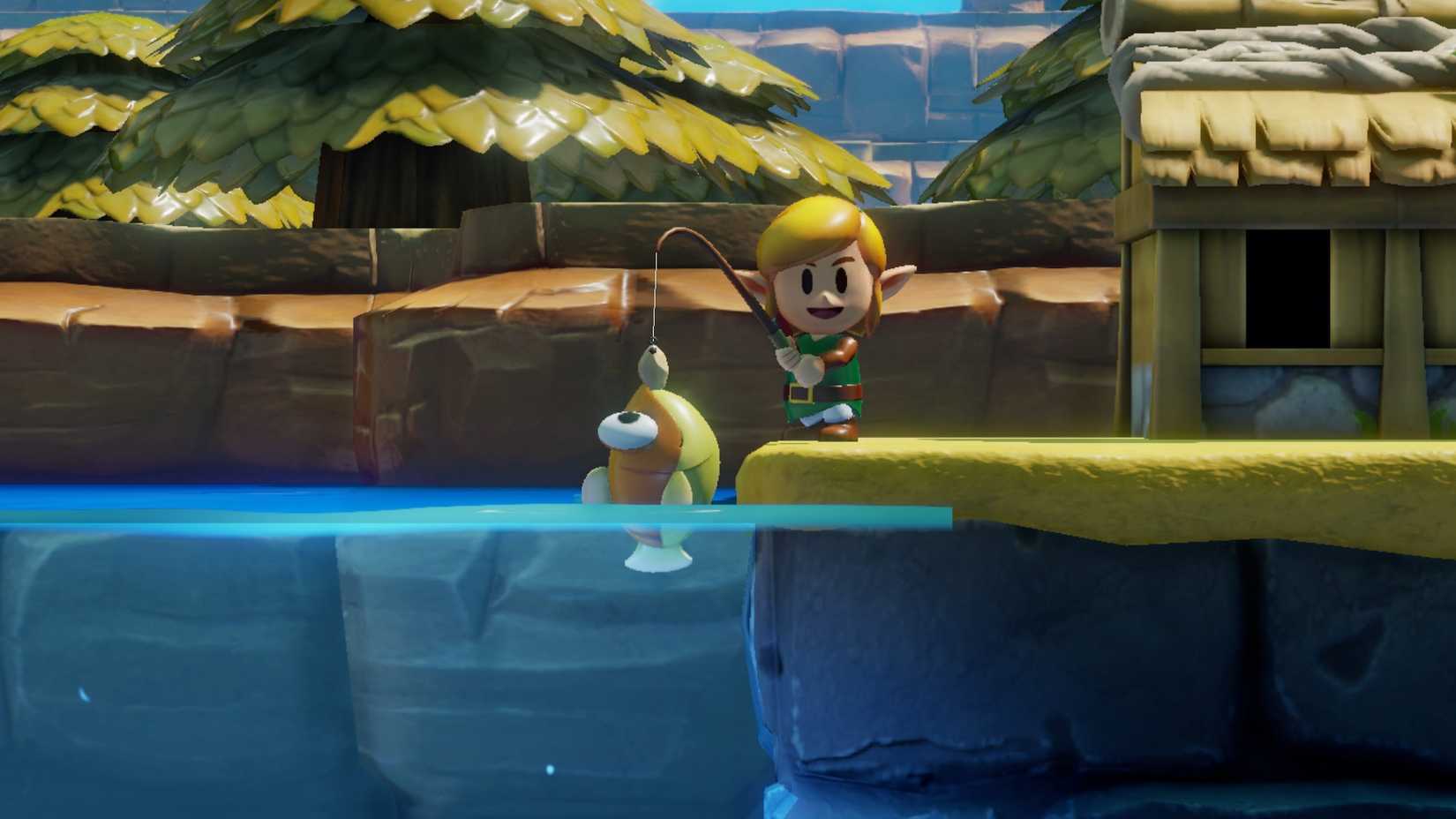
This “diorama” philosophy has been utilized brilliantly elsewhere. Grezzo’s remake of The Legend of Zelda: Link’s Awakening successfully translated a handheld classic into a charming, plasticine world rather than trying to force it into the mold of a grand, realistic epic. Similarly, Pokémon Brilliant Diamond and Shining Pearl served as visual reminders that their core loops are fundamentally designed for children. Even Advance Wars 1+2: Re-Boot Camp leaned into a “toy soldier” aesthetic to clarify that its tactical combat was more about play than the horrors of war. These remakes don’t diminish the source material; they merely harmonize the visuals with the underlying tone.
In a gaming landscape obsessed with “grit,” such reminders are necessary. We frequently see fan projects imagining a Mario game rendered in Unreal Engine 5, featuring hyper-realistic lighting and cinematic gloom. For years, digital artists have “reimagined” Pokémon by stripping away their cartoonish appeal and replacing it with slimy scales and matted fur. This trend, now exacerbated by generative AI, reveals a segment of the audience that is desperate for their childhood mascots to grow old alongside them, often at the expense of what made those characters special.

It is somewhat absurd to demand “mature” realism from a franchise about a plumber who stomps on turtles. Childhood wonder is the cornerstone of these properties. While some players naturally drift toward more complex fare, Nintendo correctly keeps Mario bright and stylized even as hardware power scales, recognizing that the charm lies in the cartoonishness.
Ultimately, I admire Dragon Quest 7 Reimagined for its honesty. It refuses to masquerade as something it isn’t. There is certainly a hypothetical version of this game with brooding art and mechanical density designed to satisfy the insecurities of middle-aged gamers, but that wouldn’t be Dragon Quest. By embracing its animated roots, Reimagined invites you to reconnect with a sense of boundless, youthful freedom. If you find yourself craving something more visceral, there is no shortage of alternatives—you can find grit in Dragon’s Dogma 2, intimacy in Dragon Age: The Veilguard, or brutality in Like a Dragon: Infinite Wealth. But for those seeking a pure, storybook adventure, Dragon Quest remains unrivaled.
Source: Polygon