
Monster Hunter Stories 3 is the unexpected PS2-era throwback I never knew I needed
Playing Monster Hunter Stories 3: Twisted Reflections evokes the distinct sensation of experiencing a classic PlayStation 2 title. This isn’t a disparaging remark about its graphical fidelity—a common barb in modern gaming discourse—but rather a tribute to its creative ethos. It possesses a specific kind of soul that has become increasingly rare in the contemporary landscape of high-budget, risk-averse development.
During the PS2’s reign and into the early 2010s, the RPG market wasn’t just defined by giants like Final Fantasy. It was bolstered by a thriving “mid-tier” ecosystem. This was the era of Dark Cloud, Shadow Hearts, Rogue Galaxy, and experimental Tales of entries. These games weren’t always flawless, but they felt daring and imaginative. Monster Hunter Stories 3 feels like a modern successor to that forgotten lineage, and that is precisely what makes it so compelling.
Maintaining the series’ tradition, Twisted Reflections is a turn-based RPG centered on the bond between humans and “Monsties.” You step into the role of a royal heir in the land of Azuria, serving as a Ranger. Unlike traditional hunters, Rangers are stewards of the wild, partnering with creatures to maintain ecological balance. This harmony is shattered by the “Encroachment,” a creeping supernatural blight that ignores political boundaries and ravages the natural world.
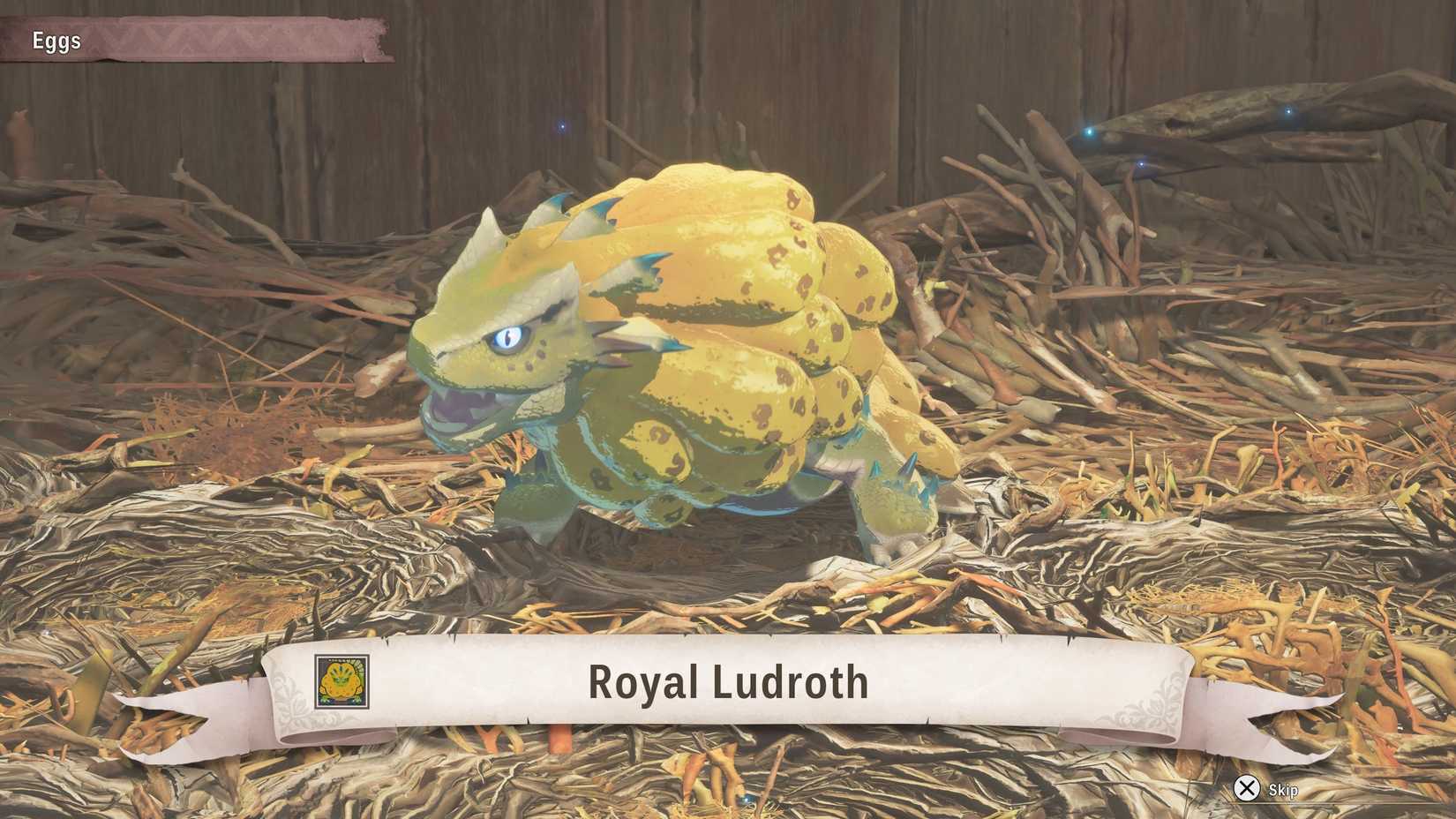
Environmentalism has always been a thematic cornerstone of the Monster Hunter franchise, though it often gets overshadowed by the gameplay loop of harvesting monsters for new gear. In previous Stories titles, the mechanic of “borrowing” eggs felt somewhat at odds with the narrative of friendship. However, Capcom has refined this dynamic for the third installment. The game introduces conservation theory into its lore: the Encroachment drives monsters into a terminal frenzy, making the wild uninhabitable. Rangers now rescue eggs to hatch them in sanctuaries, reintroducing species once the land has been purified—a narrative shift that aligns the gameplay more closely with its ecological messaging.
The story doesn’t shy away from the human element, either. The Encroachment is portrayed as a symptom of societal rot—greed, unchecked power, and resource hoarding. Your journey involves more than just slaying beasts; it requires intervening in geopolitical conflicts and challenging corrupt leadership to foster a culture of mutual respect between humanity and nature.
While the “unity over discord” theme isn’t groundbreaking, the execution is stellar. Capcom compensates for occasional pacing lulls with high-tier production values. The voice acting is poignant, and the visual direction flourishes now that it isn’t tethered to aging hardware. Even the traditional “grind” feels revitalized; collecting eggs and crafting armor is more purposeful and less tedious than in previous iterations.
Combat has undergone a significant evolution as well. The foundational rock-paper-scissors mechanic (Power, Technical, Speed) remains, but it serves as a baseline rather than the entire strategy. By decoupling skills from the Kinship gauge and tying them to a dedicated Stamina pool, the game encourages frequent tactical play. You no longer have to choose between using a cool ability and saving up for a powerful team attack.
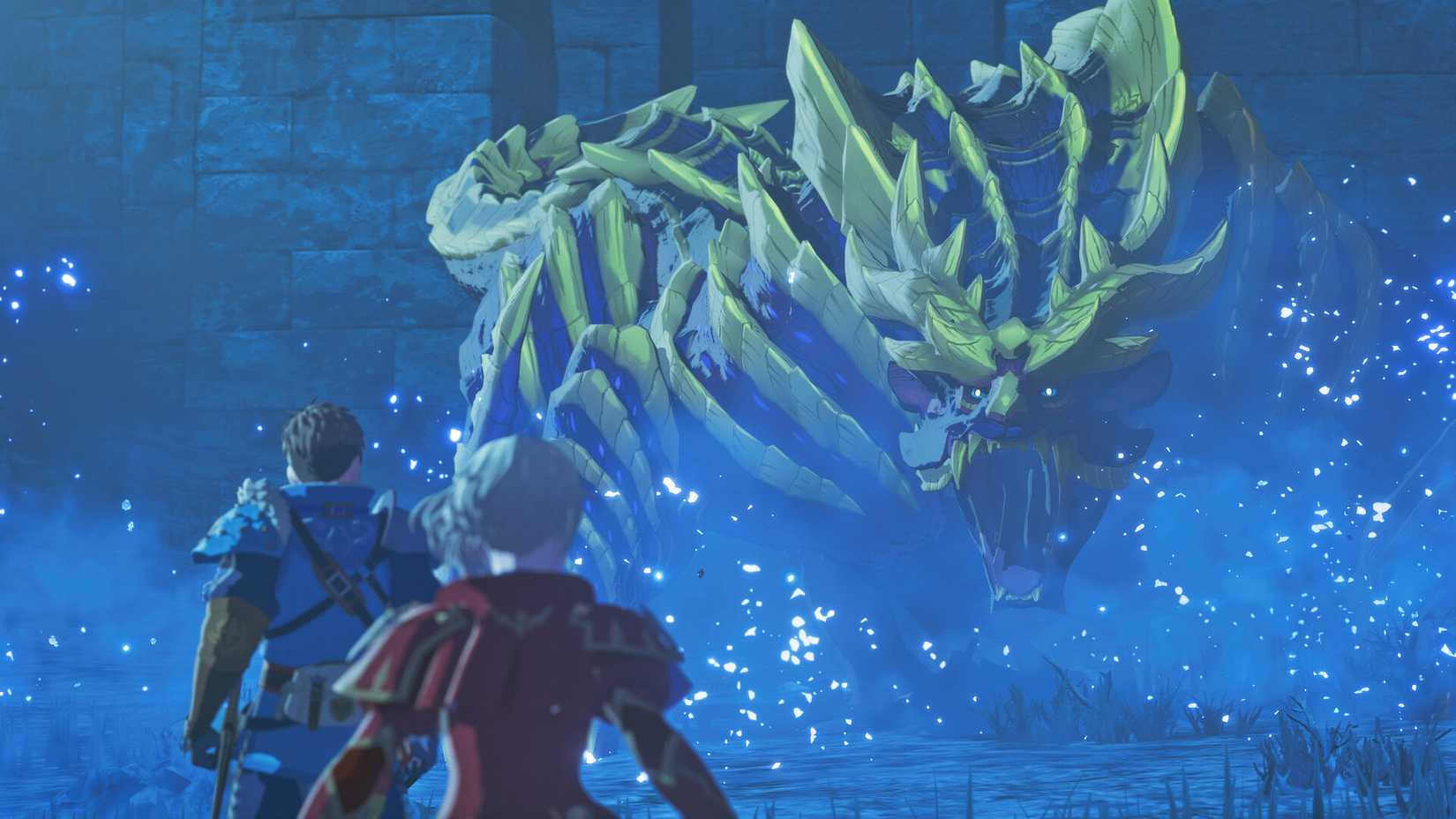
Weapon depth has also been greatly enhanced. In the past, weapon choice often felt like a superficial preference for different damage types. In Stories 3, the Greatsword and Hammer feature distinct skill trees that demand situational awareness. Hammers, for example, offer blunt-force skills that can fundamentally change your loadout strategy. The result is a combat system that feels rhythmic and sophisticated—closer in spirit to the mainline Monster Hunter experience than a simplified spin-off.
The market is currently starved for this brand of mid-sized, high-concept RPG. With major franchises like Final Fantasy and Dragon Quest on multi-year development cycles, and others seemingly trapped in “development hell,” the genre often feels polarized between gargantuan blockbusters and retro-inspired indies that are sometimes too beholden to the past. There is a lack of “middle ground” titles that take big swings with modern tech.
This is likely why games like Metaphor: ReFantazio and Clair Obscur: Expedition 33 have garnered such anticipation. They represent a vision unburdened by legacy. Monster Hunter Stories 3 fits perfectly into this niche. It is fresh, confident, and unapologetically itself. As major publishers navigate their massive, slow-moving properties, we need more “PS2-style” risks like this to ensure the genre remains vibrant and diverse.
Monster Hunter Stories 3: Twisted Reflections is available on Nintendo Switch 2, PlayStation 5, Windows PC, and Xbox Series X. The game was reviewed on PS5 using a prerelease download code provided by Capcom. You can find additional information about Polygon’s ethics policy here.
Source: Polygon
Related articles
 The Wolf Among Us to Get October Remaster With Cut Scenes and Noir Mode
 Halo Composer Marty O’Donnell Says Gamers Are Tired of Agenda in Games While Running for Congress in Nevada
 Hideo Kojima Visits Sony Headquarters Amid Rumors of Rift
 Blizzard Says Diablo V Is in Development
 Beloved 2022 Survival Adventure ‘Stranded Deep’ Is Free This Weekend
 Sony Closes PS5 Hacking Loopholes, Affecting Users on Older Firmware
 Remedy Reveals Control Resonant Sales Figures for First Three Weeks
 Stranger Than Heaven: Snoop Dogg Shows Protagonist Makoto How to Rap in New Story Trailer