
Microsoft Gaming Rebrands as Xbox Amid Promises of Major Changes
Xbox’s newly appointed leadership is aggressively overhauling Microsoft’s gaming division. In a company-wide memo distributed this past Thursday, Chief Content Officer Matt Booty and CEO Asha Sharma announced that the “Microsoft Gaming” branding is being retired in favor of a unified identity, while signaling a critical strategic pivot regarding exclusivity, release timing, and the integration of artificial intelligence.
The internal communication, which was subsequently shared publicly via Xbox Wire, offers a window into the brand’s evolving philosophy following the high-profile exits of former executives Phil Spencer and Sarah Bond.
“The ‘Microsoft Gaming’ label identifies our corporate structure, but it fails to capture our vision. We are returning to our roots and embracing our true identity: We are Xbox,” Booty and Sharma stated.
The leadership team began their address to staff with a blunt acknowledgment of the brand’s current struggles, noting that “players are growing frustrated.” They cited a decline in the frequency of console feature updates, a lackluster presence on PC, and rising costs that have placed a financial strain on the gaming community. Furthermore, the executives conceded that foundational elements—such as search, social integration, and personalization—remain fragmented, while developers have expressed a clear need for superior tools and more comprehensive platform insights.
They also highlighted a shifting demographic, noting that the next generation of players balances their time across gaming, social media, and streaming. These users demand a more personalized ecosystem where they can shape their own play spaces and engage in collaborative creation rather than just passive consumption.
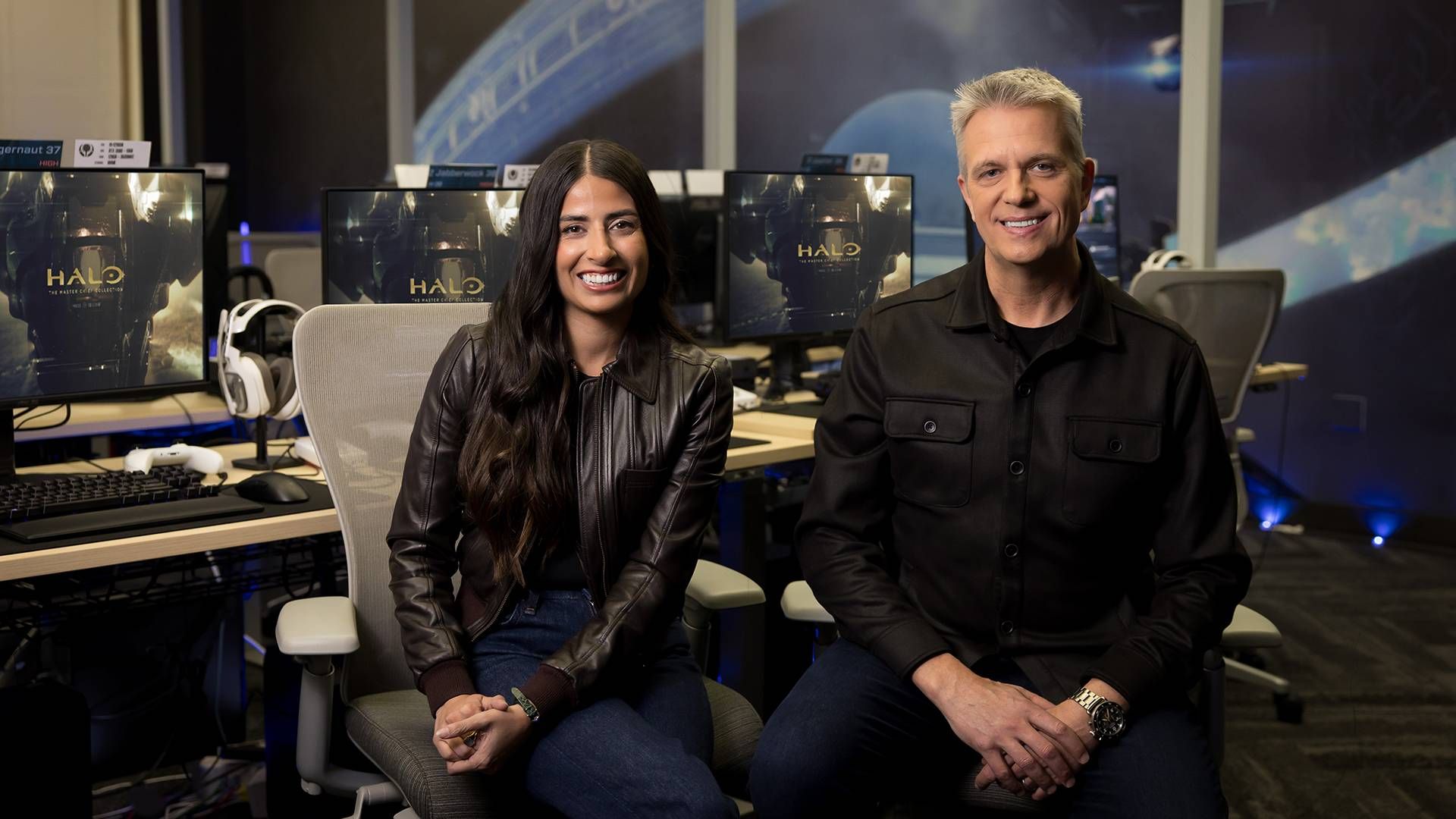
The duo acknowledged mounting pressure from diverse global competitors and platforms like Roblox, stressing that legacy business models are no longer sufficient. “The strategy that brought us here will not be the one that carries us forward,” they warned.
While specific details regarding the next-generation console, known as Project Helix, remain scarce, the leadership emphasized that the future of Xbox will prioritize affordability, personalization, and an open platform. In an economic climate where hardware prices are trending upward, they pledged to implement flexible pricing structures to lower the barrier to entry.
“Our experience will evolve with the player—helping you discover new content, customizing your play style, and connecting you with the right community,” the memo noted. “We are doubling down on openness, providing creators of all sizes the resources to reach a global audience and sustain their games long-term.”

As the company sets its sights on an ambitious roadmap for hardware and services, executives confirmed they are actively re-evaluating their stance on platform exclusivity and release windows, promising more updates as their strategy matures.
This renewed focus on exclusivity is likely to generate significant industry buzz. Under previous leadership, acquisitions of massive entities like Activision, Bethesda, and Mojang saw Microsoft move away from hardware-locked software. Whether this trend reverses to create distinct “platform differentiators”—potentially pulling major franchises like Halo, Forza, or Gears of War back into exclusive territory—remains a major point of speculation.
With Booty and Sharma at the helm, the Xbox team is moving with newfound urgency. As Project Helix takes shape, the gaming world watches to see if these radical measures can effectively revitalize the Xbox brand.
Source: Polygon
Related articles
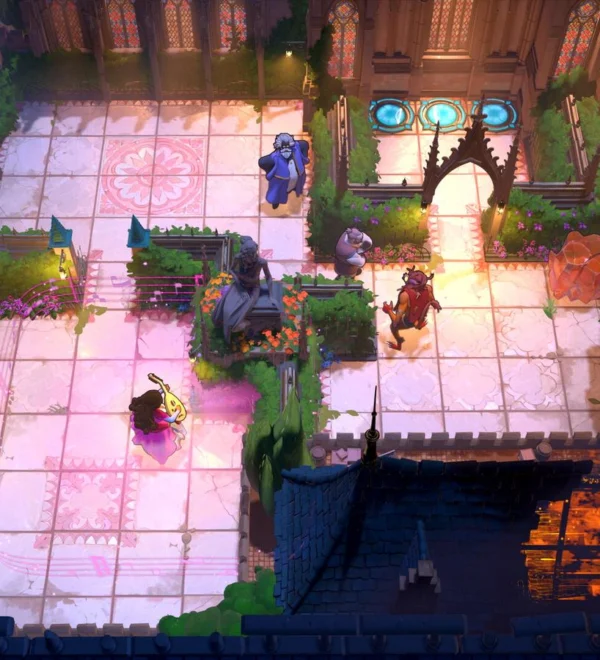 Braid and The Witness developer returns after 10 years with Order of the Sinking Star
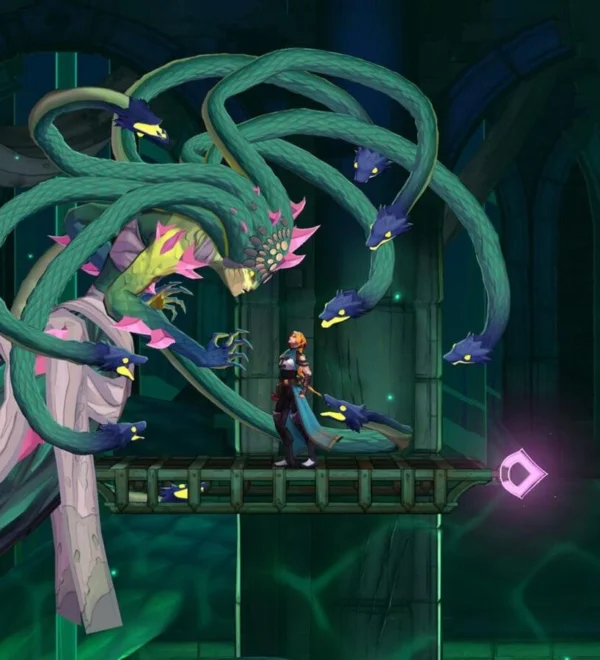 Dozens of New Games Scheduled for Release on Xbox This Week
 Microsoft to Release Physical Edition of Forza Horizon 6 for PS5 with a Catch
 Modder Enables PS5 to Run PS2 Disc Games
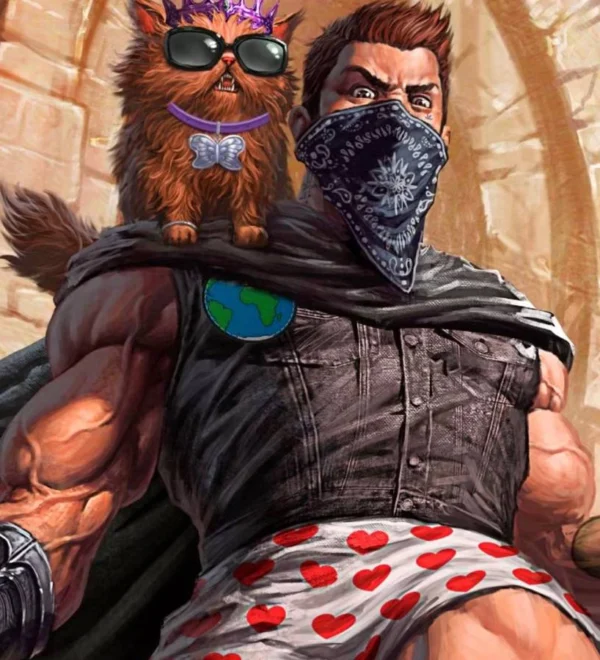 Dungeon Crawler Carl Author Settles Audiobook Debate
 Gears of War: E-Day Suffers DDoS Attacks Amid Backlash From Activists
 Johnny Flynn Discusses His Approach to Lucius Malfoy in Upcoming Harry Potter Series
 Josh Brolin Teases Thanos and Doctor Doom Showdown in Avengers Secret Wars