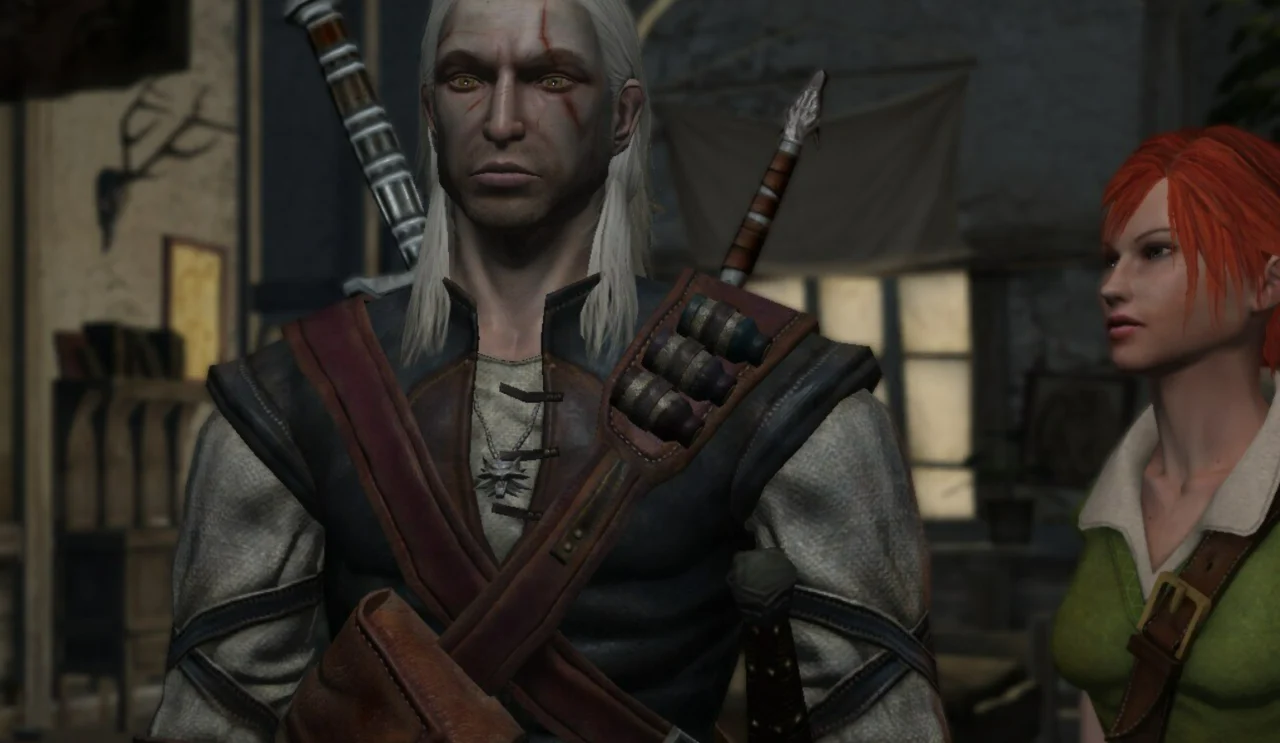
Metropolis Software founder reveals how CDPR bought The Witcher and why the original game was canceled
The inaugural Witcher video game could have taken an entirely different shape.
While the gaming community is intimately familiar with CD Projekt RED’s iconic trilogy, the first attempt to adapt Andrzej Sapkowski’s dark fantasy world actually began at a different studio years earlier.
Adrian Chmielarz, the founder of Metropolis Software, recently reflected on his work on that ill-fated project. Having been acquainted with the author personally, he was able to secure the rights with surprising ease:
I knew Andrzej Sapkowski from various sci-fi and fan conventions. We were part of the same circles, and I’d often run into him there. Back then, we’d share more than a few drinks. One day, I simply called him and said, “Listen, I want to develop a game based on your stories.” Anyone who knows Mr. Sapkowski understands that he is generally indifferent to what happens to his characters once they leave his own literary universe. He essentially replied, “Sure, why not. You want to make a video game? Fine. Show me the money, and it’s yours. Do whatever you want.”
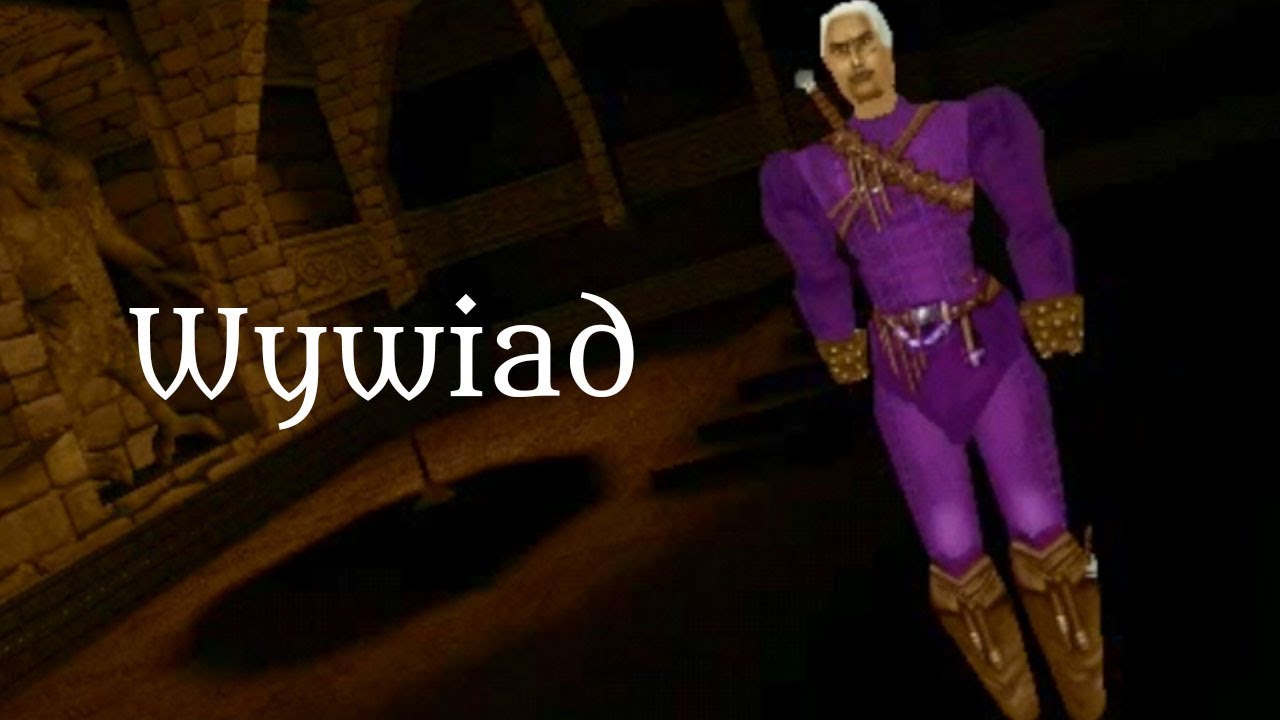
At that time, there was no established English translation for the “Wiedźmin” title. While Sapkowski himself considered the name “The Hexer,” Chmielarz had a different vision:
[…] at the time, I was still heavily involved in programming, and “hex code” was something I encountered daily. Because of that, the name “The Hexer” didn’t sit right with me. I suggested to Sapkowski, “What about The Witcher?” That was exactly how I imagined it. He said, “You know, that sounds good. I’m okay with that, let it be.” And that’s how the name was born.
Metropolis Software began developing their version of The Witcher, but the project ultimately stalled before completion. The studio had simply overextended itself:
It was the quintessential mistake small studios make when they first taste success: instead of scaling up naturally to manage two titles, we attempted to develop four games simultaneously.
Consequently, Metropolis ran out of funding. When TopWare Interactive stepped in as their publisher, they allowed the studio to finish only a few select projects:
I wanted to keep The Witcher—not out of desperation, but because I truly admired that world. However, TopWare couldn’t have cared less. They were based in Germany, knew nothing about The Witcher, and showed no interest. They told us, “No, no, no. You’re working on a real-time strategy game—those sell well in Germany, so we’re happy with that. You also have a point-and-click adventure—that also sells in Germany. We’ll keep those instead.”
In 2002, CD Projekt RED secured their own agreement to develop a Witcher game. While Adrian initially wondered about the legal status of his own contract, he ultimately chose not to intervene and is now delighted with how things turned out:
I recall thinking, “Wait, we still have a contract with Sapkowski that might still be exclusive.” But honestly, I didn’t care. I knew I wouldn’t be able to finish our Witcher game, so I thought, “Fine, let it be. I hope they make something great.” And I am absolutely thrilled that they did, because I love those worlds. I truly appreciate what they achieved. They created a much better game than we ever could have. The vision we had for that universe, they realized it themselves—so in the end, everything worked out perfectly. That is the backstory. That is the history of The Witcher.
Source: iXBT.games
Related articles
 Dataminer Finds Dead Space Crossover in Battlefield 6 Files
 First Gameplay Footage of Neo Berlin 2087 Released
 Stellar Blade: Blood Rain Criticized by Players as Developers Acknowledge Errors
 Microsoft is reportedly preparing a negative change for Windows 11 gamers
 Microsoft Reportedly Developing Technology to Convert Discs Into Digital Xbox Games
 Three Major Xbox Games Cannot Be Converted to Digital Versions
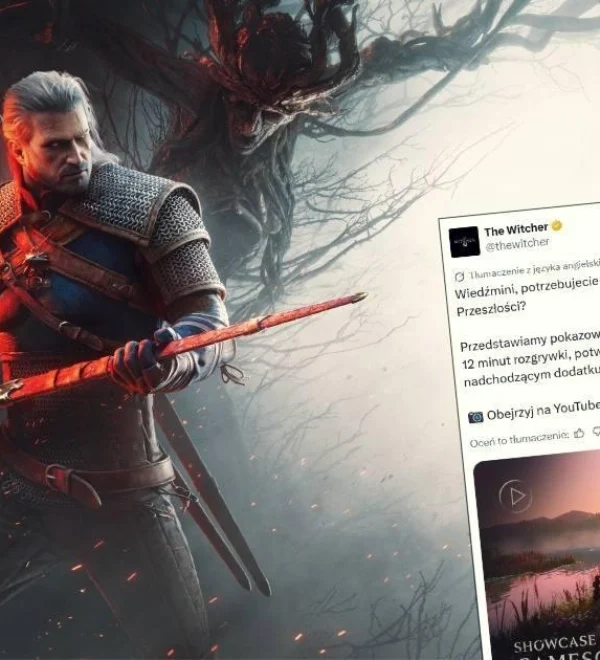 Analysts Predict Strong Sales for New The Witcher 3 DLC
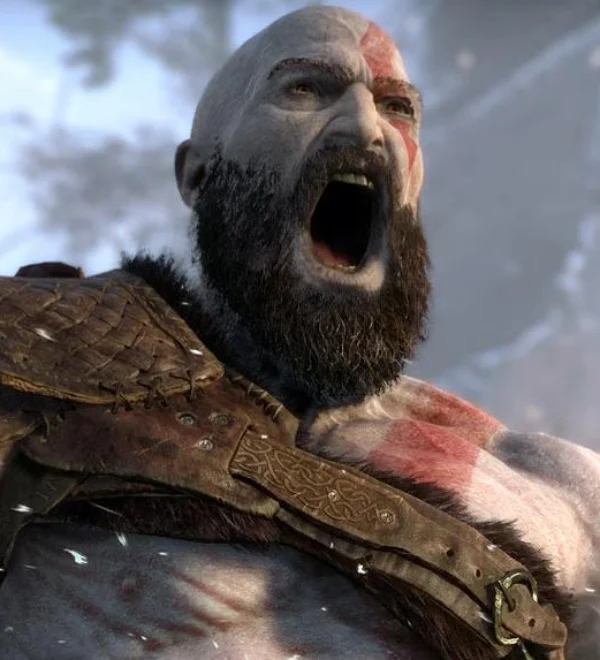 Christopher Judge Explains Why He Did Not Return as Kratos in God of War Series