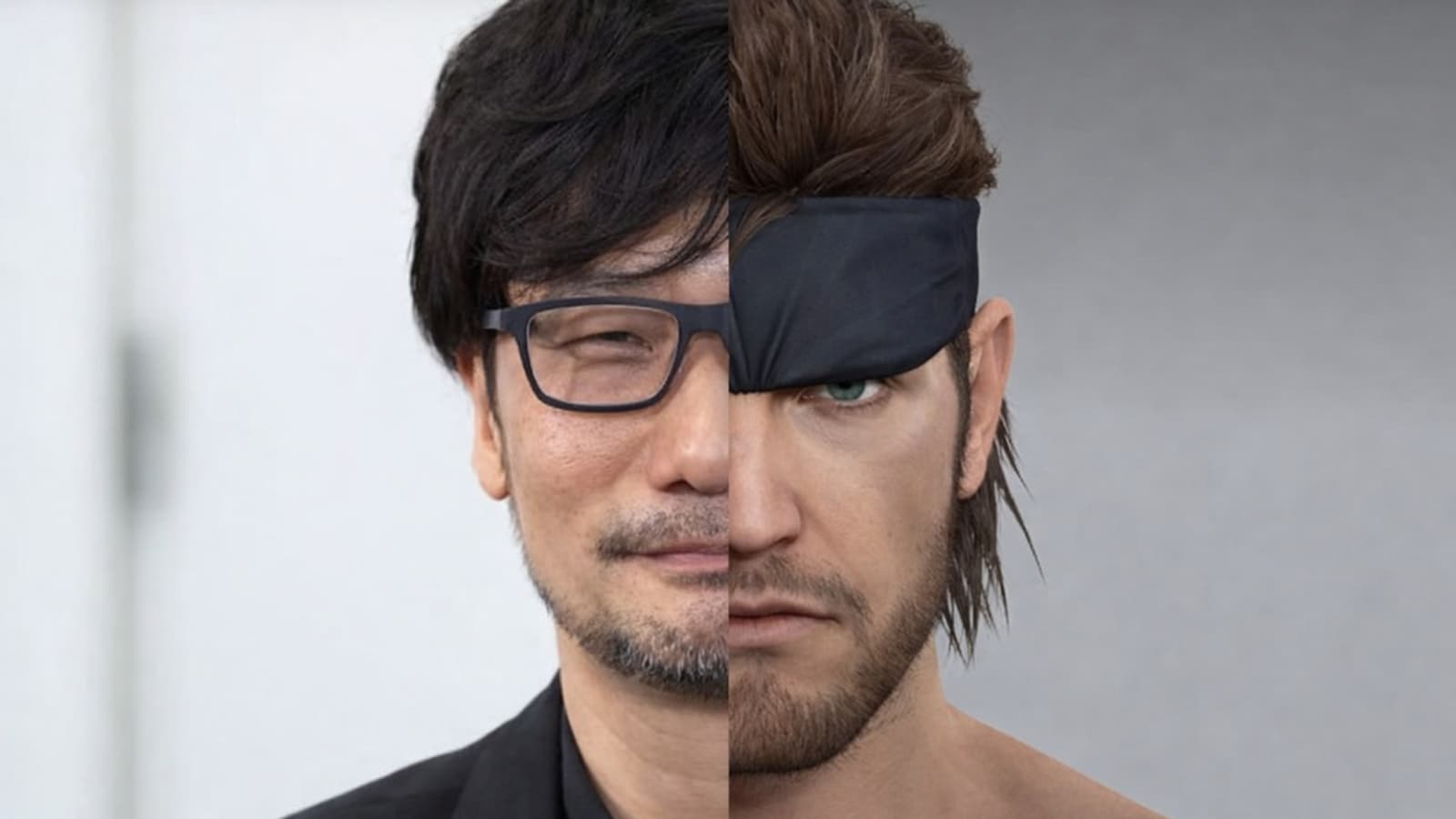
Hideo Kojima has once again revisited the legacy of Metal Gear Solid 2: Sons of Liberty—a title widely regarded as visionary for its exploration of information control and the digital landscape. According to the developer, the sequel was never intended to be a mere story about AI, but rather a cautionary reflection on the future of a digital society.
Kojima shared these insights in a recent interview. Metal Gear Solid 2 was released in 2001, long before the rise of modern social media, yet it is increasingly cited in contemporary discussions regarding internet culture and the manipulation of information.
When asked if he had “predicted” the current era of digital surveillance and control, Kojima offered a different perspective. He emphasized that MGS2 was not fundamentally about artificial intelligence, but rather the broader transition from an analog world to a digital one and the societal consequences of that shift.
The creator noted that while the original Metal Gear Solid focused on the concept of DNA, the sequel was built around the idea of “memes”—the cultural data and ideas that are transmitted socially rather than genetically. In a digital environment, these elements no longer fade away; even the smallest fragments, such as graffiti or offhand remarks, can be preserved indefinitely.
Kojima also mentioned that during the game’s development, he envisioned a world where global networks would allow people to exchange opinions directly, pondering how this connectivity would reshape daily life. He remarked that while Metal Gear Solid 2 is often discussed in the context of AI, it was actually about how digital data gains its own inertia—persisting and evolving without the need for a sentient machine or a conscious will.
Source: iXBT.games