Live-action Moana director promises ‘tons of new dialogue and jokes’

Disney sent ripples through the industry when it announced in 2023 that it would be reimagining its beloved 2016 animated adventure Moana as a live-action feature. While the studio has been diligently mining its catalog for live-action adaptations ever since Tim Burton’s Alice in Wonderland proved the immense, billion-dollar potential of nostalgia, the rapid transition from animated original to live-action spectacle for Moana caught many observers off guard.
What defines this summer’s Moana in contrast to its predecessor? To find out, Polygon sat down with director Thomas Kail to discuss his vision for the reimagining. Kail brings a wealth of stage-musical expertise to the project, having directed Lin-Manuel Miranda’s Hamilton and In the Heights. He is no stranger to the nuances of creative translation, having helmed the live-capture version of Hamilton and the television production of Grease. We explore how his theatrical sensibilities are shaping this new journey to the Pacific.
This interview has been edited for clarity and flow.
Polygon: Why revisit Moana in a live-action format?
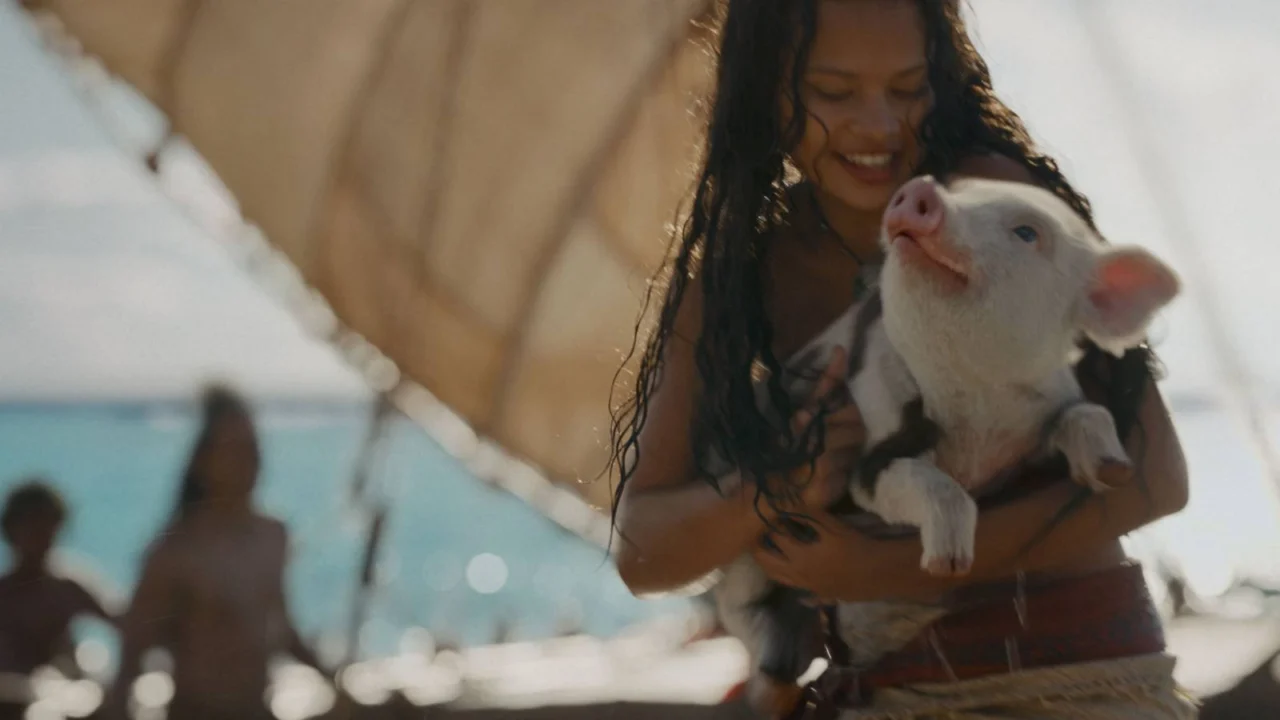
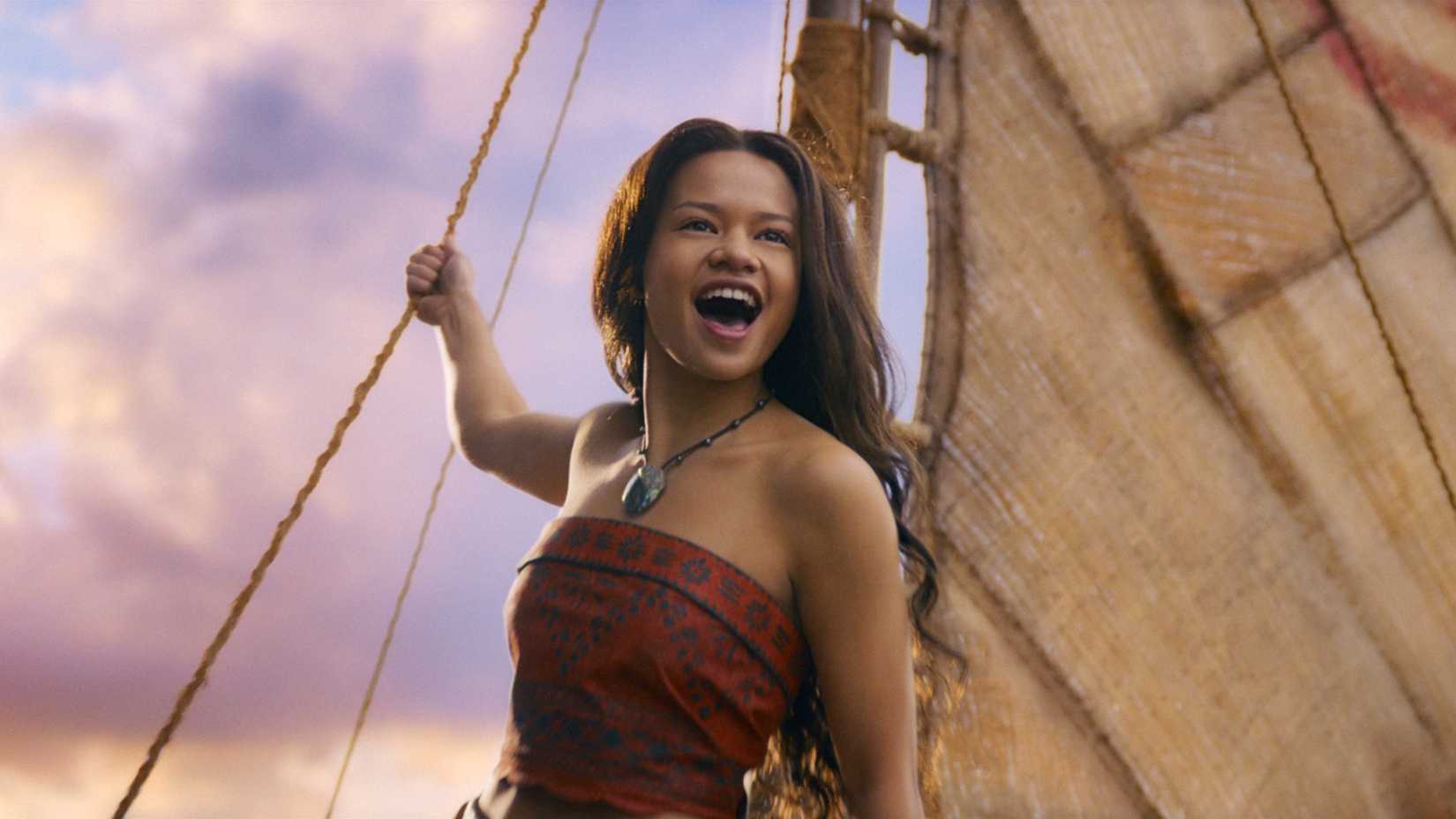
Thomas Kail: I felt deeply moved by the opportunity to honor and preserve Polynesian culture. By bringing these characters to life with human performers, we gain a unique perspective—it becomes a companion piece to the original work. Coming from the world of theater, where the “revival” is a cherished tradition, I find beauty in seeing a narrative evolve through new interpretations.
We’ve certainly incorporated scenes that don’t appear in the animated version; there are many distinct elements here. The goal is to trust the core material while justifying its new existence. There is something profound about placing a flesh-and-blood teenager at the heart of this village, witnessing her commitment to her community, and celebrating her heritage. It felt like a rare opportunity to hear familiar, iconic songs sung by a new generation of voices.
When speaking with the director of the new How to Train Your Dragon, they mentioned targeting audiences who generally avoid animation. Are you positioning this film for devotees of the original or for those coming to the story for the first time?
It’s a question we’ve wrestled with. The fanbase for Moana is staggering, spanning from toddlers to grandparents. I’ve rarely seen such a broad demographic. I was similarly struck by the cross-generational reach of Hamilton—it’s incredible to see how a show can grow with its audience over a decade. Animation has proven it is truly universal, but if this adaptation brings in viewers who might otherwise have skipped the animated version, that’s a win. My hope is that it acts as a gateway; perhaps it inspires viewers to revisit the original or view both versions as interconnected companions.
Does your experience directing the Hamilton film inform your work here?
Absolutely. You must trust the emotional connection audiences have with the material. When you work on a musical, you are creating something with longevity—people listen to these cast recordings for years. With Hamilton, we were in a rare position where the structure was fixed, but with Moana, we have the freedom to shuffle the deck. It’s about honoring the iconic beats while allowing the new medium to breathe and become something of its own.
We aren’t just recreating a moment in time; we are crafting a film meant to stand on its own. With Dwayne Johnson, who returns to his role, it was fascinating to see him approach Maui with the benefit of years of lived experience—he found entirely new dimensions in the character.
What were the most challenging aspects of this translation?
Solving the “how-to” of every sequence! You’re navigating singing, dancing, lava monsters, sentient mountains, and shape-shifting deities. For a film rooted in simplicity, the execution requires immense complexity. We wanted to ensure that the grounded, human moments were so strong that when we do battle a lava monster, it feels like a natural extension of a young woman’s journey to save her village.
How much creative liberty have you taken with the music and plot?
We’ve been very willing to experiment. We aren’t afraid to reframe scenes or shift their context. Working with Mark Mancina, who scored the original, was essential. We scrutinized every moment to see if it still resonated. Mark composed a wealth of new music, but those foundational themes remain. It’s a microcosm of our approach: respect what works, but don’t fear the discovery of something entirely new.
And the stylistic shifts? In the original, “You’re Welcome” becomes very abstract. How do you approach that in live-action?
We wanted to give that moment the spectacle it deserves. It’s our introduction to Maui, and you have to deliver. That song has such a clear narrative trajectory. We looked at the 2016 version for inspiration, but our take is distinct—it serves as the energetic spark that propels us into the second half of the film.
The live-action Moana arrives in theaters on July 10, 2026.
Source: Polygon
Related articles
 GTA VI Rival Paradise MIA for 18 Months Following Controversy
 PS5 Pro Operated for a Year Inside a Cardboard Box in User Experiment
 Star Citizen Sees Drop in Revenue and New Player Inflow, Analyst Reports
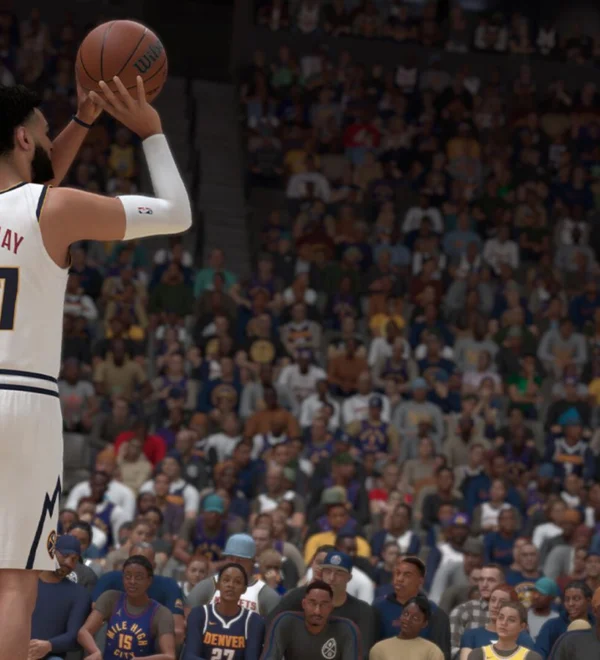 2K Warns Players As One of the Best Basketball Simulators Is Removed From Steam and Other Stores
 Fans Release Remaster of Canceled Borderlands Online After 11 Years
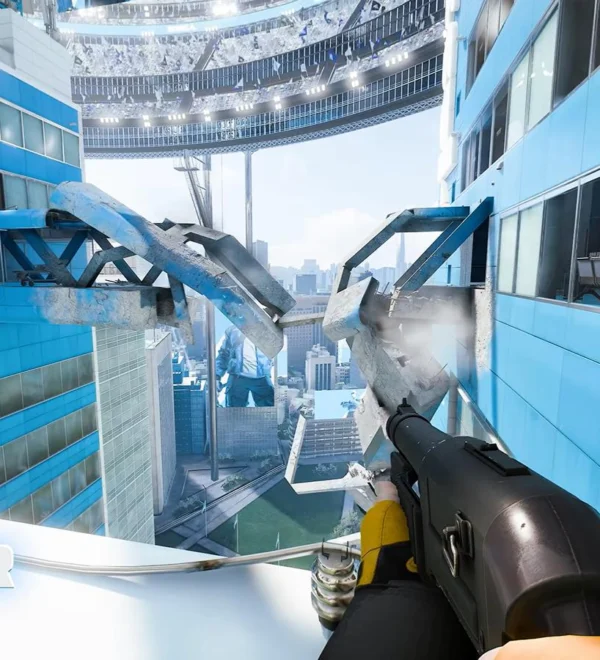 Roman Smirnov Demonstrates Improved Destruction System in The Finals Ahead of Major Update
 Modders Convert Diablo II Resurrected into Virtual Reality First Person Game
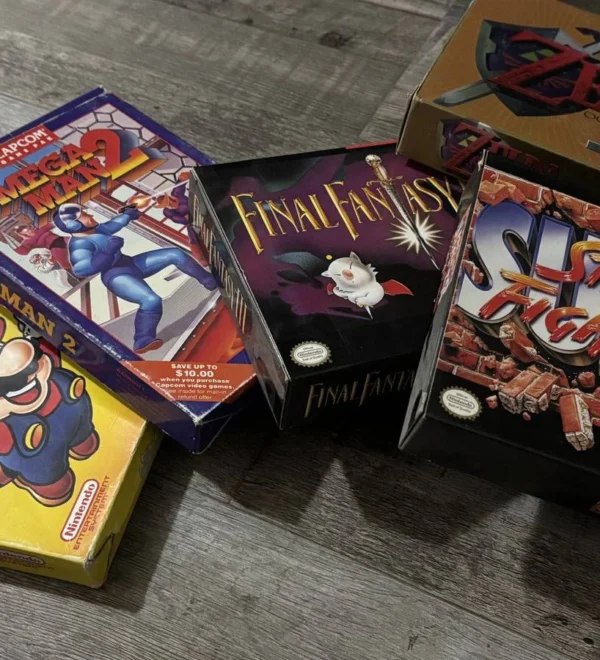 The 12 Best Video Game Series of the 1980s and ’90s, Ranked