Can Annapurna Deliver Another Intellectual Sci-Fi Hit?
 |
Polygon 2026 Summer Preview Your essential guide to the next three months of entertainment |
| Discover the collection→ | |

It’s remarkably easy to envision a dystopian future—arguably, we are already navigating the early stages of one. Conversely, conceptualizing a true utopia feels nearly impossible. How does a society define “perfection” when humanity lacks a consensus on the most fundamental aspects of ethics? One person’s paradise is often another’s tragedy. Consider the current landscape of generative AI; the polarity of opinion alone highlights how deep our divisions run. We inhabit an era where the trope of robotic rebellion feels more grounded in reality than the prospect of a world defined by universal harmony.
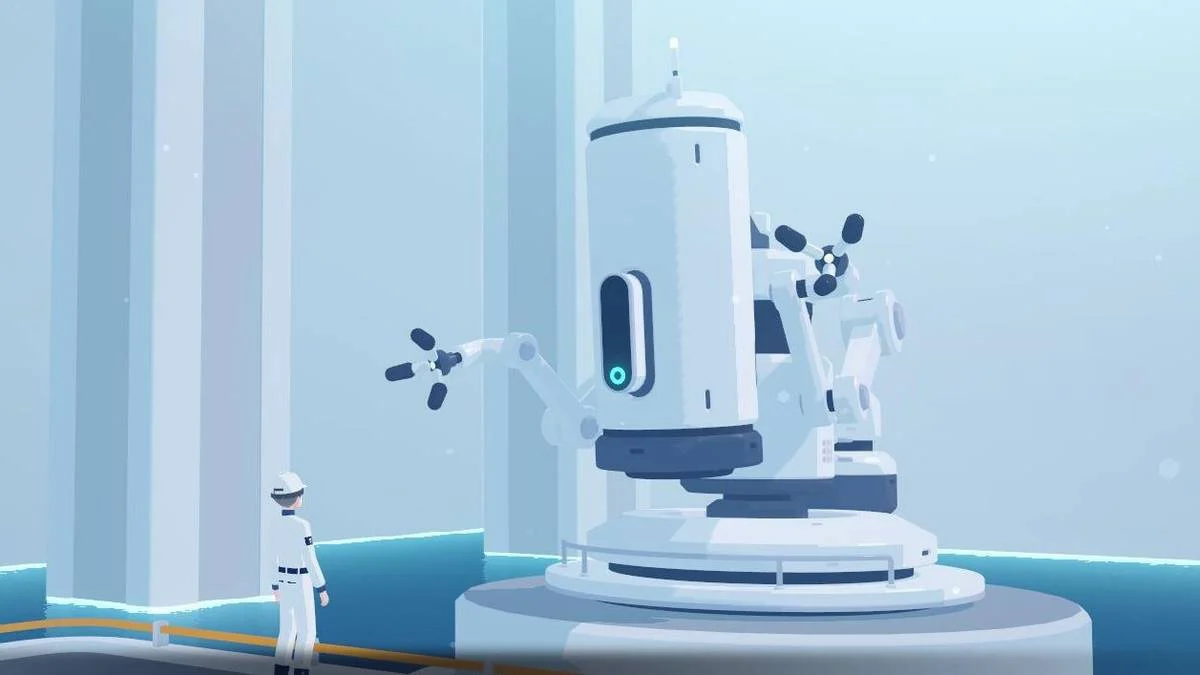
This inherent contradiction serves as the backbone for D-Topia, a compelling new puzzle-adventure title from Marumittu Games, arriving via publisher Annapurna Interactive. Slated for release on July 14 across PlayStation 5, Windows PC, and Xbox Series X, the game depicts an environment engineered to be “perfect.” Here, AI-driven automation handles the heavy lifting, crafting a frictionless existence where happiness is treated as a quantifiable metric. Naturally, reality proves far more complex than the sterile design suggests.
In a recent exchange with Polygon, programmer Akira Mitsuhashi and artist Hiroco Shiino discussed how D-Topia deconstructs the utopian myth. For this development team, the project acts as a poignant reminder that the boundaries separating an ideal world from a nightmare are remarkably thin.
Founders of Marumittu Games in 2017, Mitsuhashi and Shiino—both veterans of Level-5’s Professor Layton series—have crafted a project that feels exceptionally relevant. The game’s premise was born from a simple act of observation: looking at the modern world through the lens of digital noise. “In our current, information-saturated society, we are constantly bombarded with crises and social strife,” Shiino noted. “It prompted a difficult question: despite our rapid technological evolution, are we actually becoming any happier as a species?”
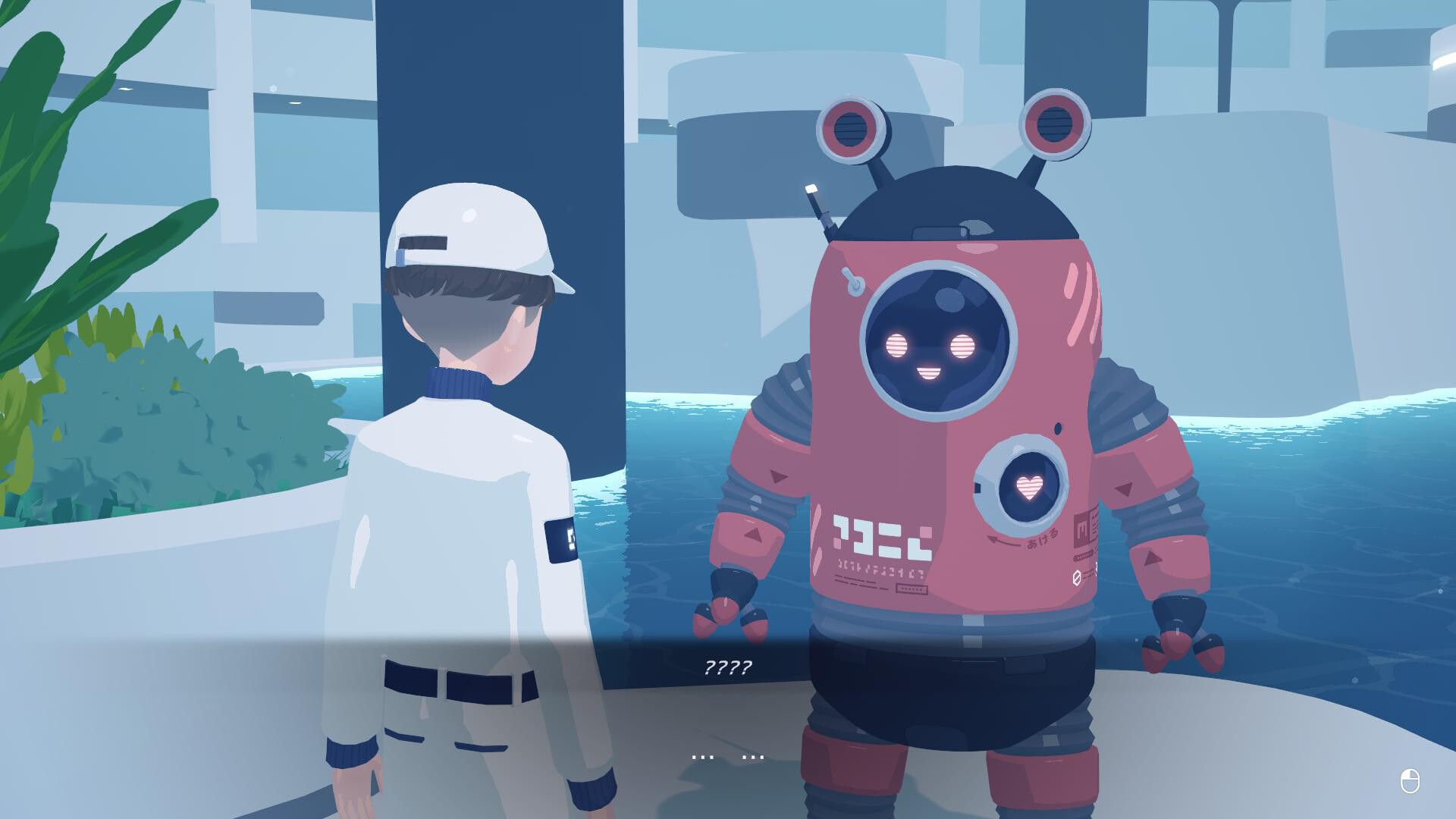
Image: Marumittu Games/Annapurna Interactive
Drawing intellectual influence from Yuval Noah Harari’s Homo Deus, the developers explored the shifting relationship between humans and the “gods” of the technological age. This influence is woven into the fabric of D-Topia, where you step into the shoes of a residential facilitator. Your daily routine involves performing maintenance on the city’s robotic workforce through meditative puzzles. However, as you engage with citizens whose existential dilemmas cannot be solved by lines of code, you are forced to make moral choices. You have the agency to subvert the rules of D-Topia to prioritize human connection over programmed efficiency.
“Every decision that grants solace to one resident might have unforeseen repercussions for another,” says Mitsuhashi. “That weight is the core of the player experience. By navigating these moral trade-offs, acknowledging the fallout, and accepting the burden of your actions, you confront what it truly means to be human.”
What truly matters is that imperfect individuals continue to exercise their own judgment for the benefit of others.
The game ultimately serves as a critique of the “frictionless” future promised by modern Big Tech. While convenience is often framed as an absolute good, Mitsuhashi warns against the stagnation of human agency. “Technological progress is not inherently malicious,” he argues. “However, no matter how optimized our existence becomes, there is a distinct peril in surrendering our capacity to think and choose for ourselves.”
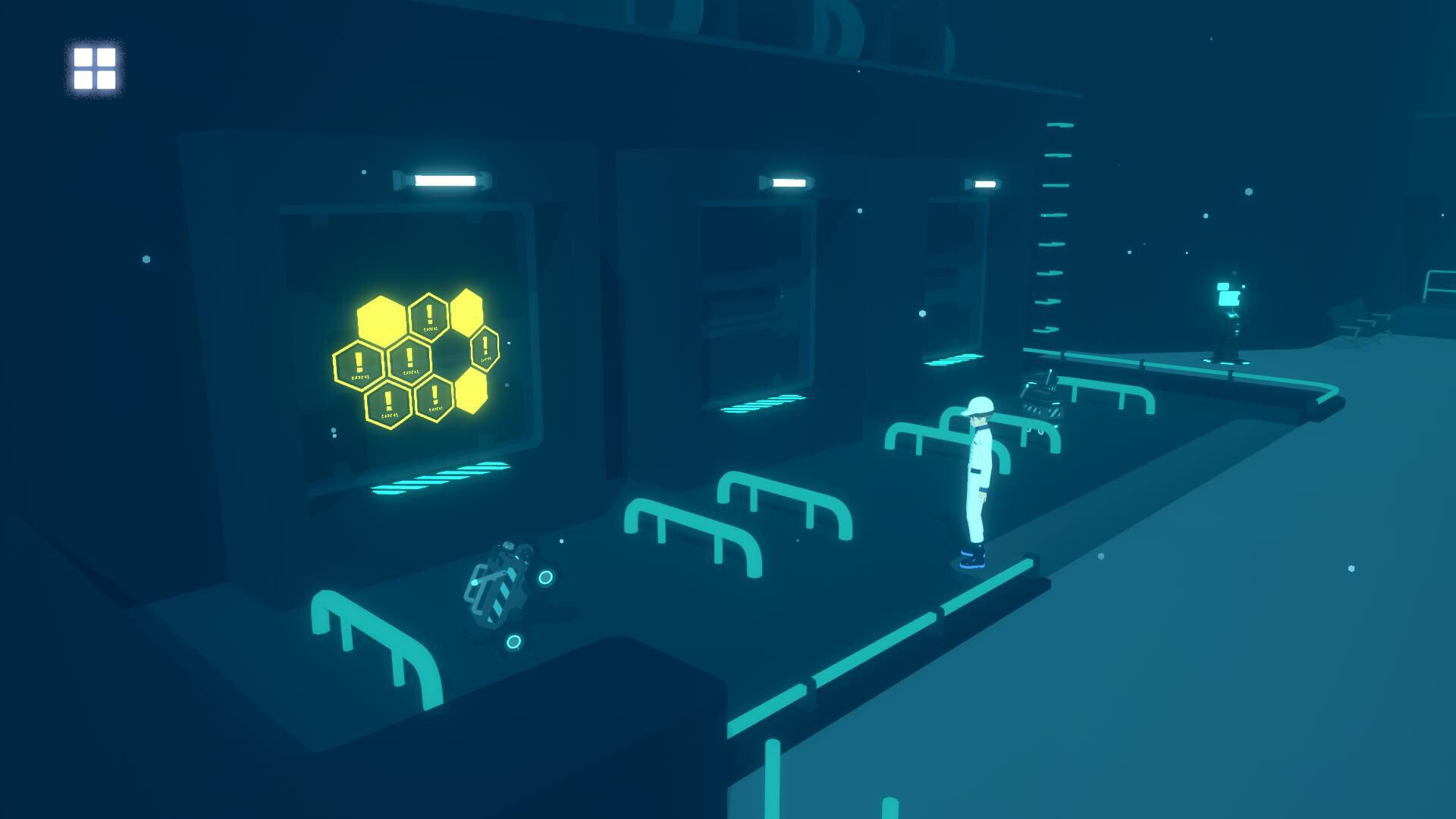
Image: Marumittu Games/Annapurna Interactive
Is a true utopia attainable? Shiino is skeptical. “As long as human beings retain their inherent flaws, a perfect society remains a fantasy. One person’s heaven is inevitably another’s dystopia.”
This cycle of perfection and failure is exactly what makes D-Topia compelling. It suggests that our imperfections are not bugs to be patched by algorithms, but the defining features of our humanity. After all, the value of choice-driven narrative lies in our ability to make mistakes and learn from them. “We aren’t aiming for human perfection,” Mitsuhashi concludes. “We are aiming to showcase the value of imperfect people choosing to care for one another despite the risks.”
The 13 most-anticipated games of the summer
Beyond the blockbuster hype
Source: Polygon
Related articles
 Star Citizen Sees Drop in Revenue and New Player Inflow, Analyst Reports
 2K Warns Players As One of the Best Basketball Simulators Is Removed From Steam and Other Stores
 Fans Release Remaster of Canceled Borderlands Online After 11 Years
 Roman Smirnov Demonstrates Improved Destruction System in The Finals Ahead of Major Update
 Modders Convert Diablo II Resurrected into Virtual Reality First Person Game
 The 12 Best Video Game Series of the 1980s and ’90s, Ranked
 Modder Ports Quest Overhaul Mod for The Witcher 3 Remaster
 Dan Houser Calls GTA Comparisons a Compliment but Wants New Games to Stand on Their Own