
Life is Strange Reunion features the word ‘splooge’ in its 2026 setting
A decade ago, I confronted the most agonizing moral crossroads I’ve ever encountered in a video game. At the climax of Don’t Nod’s seminal narrative adventure, Life is Strange, I had to choose between the life of the person Max loved most and the survival of an entire town. I chose the “greater good,” allowing Chloe’s story to end so others could live. It was a haunting conclusion, but one I eventually accepted as a definitive, poignant sacrifice. I found peace in that finality—until now.
Life is Strange: Reunion seems determined to pick at those old emotional scabs. This latest installment, helmed by Deck Nine, revisits the series’ roots by forcibly reuniting Max and Chloe, regardless of which path players took ten years ago. The developers claim this is about giving the pair the “ending they deserve,” a sentiment that has triggered significant pushback from fans who worry about the erosion of player agency. Is this a cynical exercise in fan service, or is there a more profound narrative evolution at play?
I caught a glimpse of the answer during a 90-minute hands-on demo. The preview confirmed that Reunion is a direct narrative successor to Double Exposure, attempting to provide closure to a story that originally ended on a deliberately difficult note. While the execution feels as socially awkward as Max herself, there are hints that this reunion serves a deeper thematic exploration of trauma and memory that might justify its existence—provided Deck Nine can stick the landing.
Surprisingly, Life is Strange: Reunion tethers itself more closely to Double Exposure than the marketing suggests. Max remains a faculty member at Caledon University, surrounded by returning characters like Moses and Amanda. The initial plot doesn’t even revolve around Chloe; instead, Max is preoccupied with a psychic vision of the campus being consumed by fire. This looming catastrophe appears linked to the clandestine Abraxas group, who return as the primary antagonists.
The game also inherits the design DNA of its immediate predecessor. The demo transitioned through familiar hubs like the campus café and Max’s personal residence, which remain largely unchanged. This heavy reliance on asset reuse gives the game a sense of immediate continuity, making it feel like a seamless extension of the previous chapter rather than a standalone soft reboot.
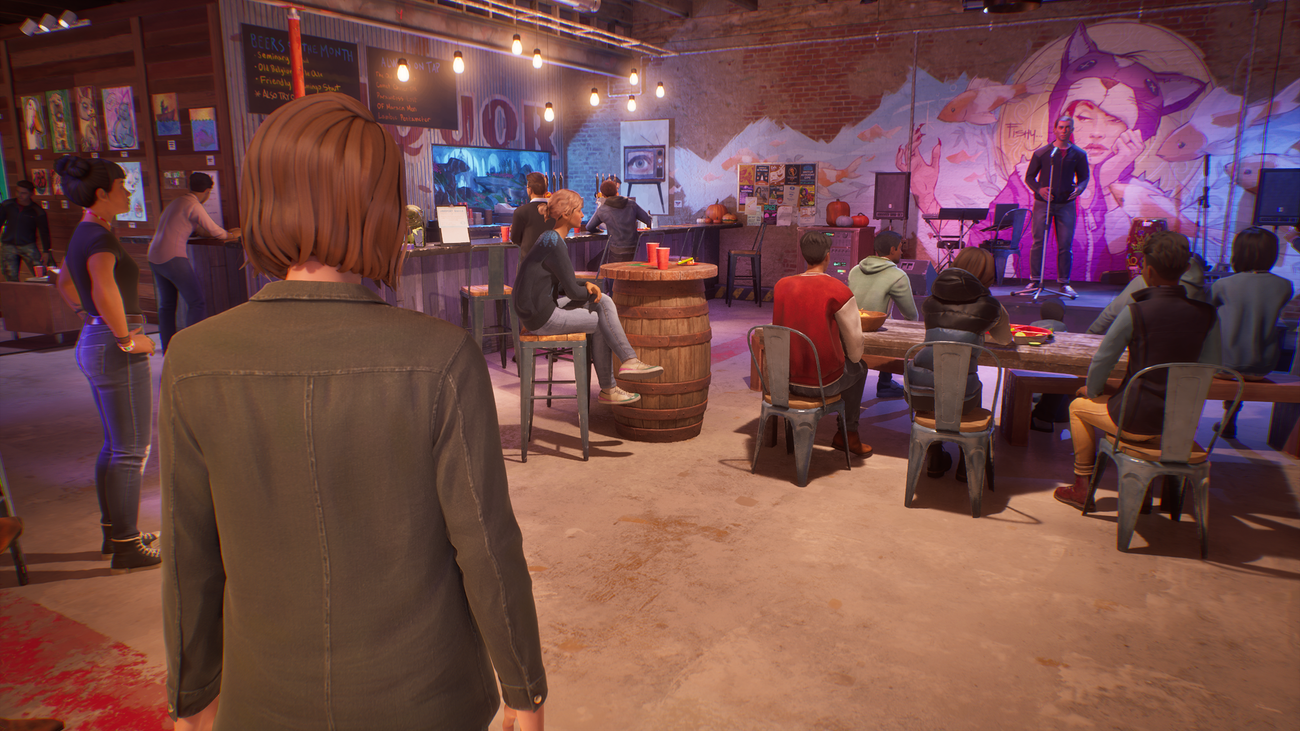
The mechanical core remains rooted in choice-driven dialogue and temporal manipulation. During one sequence, I had to neutralize a heckler disrupting an open-mic night. By using Max’s rewind ability, I was able to gather information about the man’s car and use it to trick him into leaving the venue in a panic, allowing Amanda to finish her (admittedly questionable) stand-up routine in peace.
There are, however, some refreshing additions to the formula. A new stealth-adjacent segment required Chloe to navigate past campus security, leading into a “backtalking” minigame where I had to craft a convincing—and suitably snarky—cover story on the fly. Later, an intense argument between the two leads allowed me to alternate between Max and Chloe’s responses, giving me direct control over the friction and reconciliation of their relationship. These additions feel like natural evolutions of the series’ social systems rather than the flashy “superhero” powers seen in recent entries.
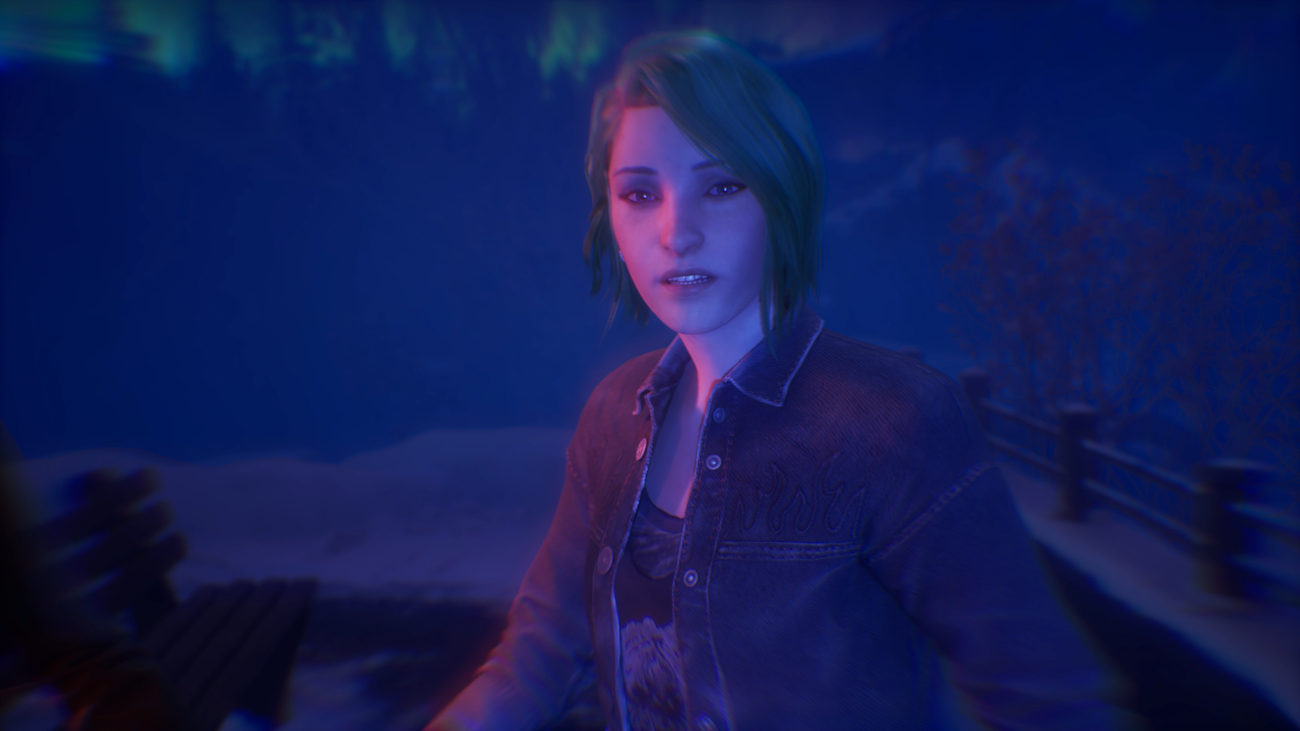
Of course, the lightning rod for discussion is Chloe’s inevitable return. Regardless of your original choice in the first game, she is back, though the narrative attempts to respect your history through some creative—if slightly flimsy—logic. In my playthrough, where Chloe had died, she returned in a state of existential liminality, describing herself as feeling both alive and dead simultaneously. It feels like a narrative loophole designed to bypass the finality of the original’s endings.
Following a high-stakes escape from a collapsing building, the pair reunites in an emotionally charged sequence. Despite the tension of their past, they agree to cooperate to stop the arsonist threatening Caledon. The undeniable chemistry between the returning voice actors remains the game’s greatest asset, providing an emotional anchor for the supernatural high-concept plot.
I’m cautious about dismissing this approach as mere pandering. Deck Nine seems to be exploring the messy, complicated reality of reconnecting with a ghost from one’s past. There is a potential for a meta-narrative here that doesn’t necessarily result in a “happily ever after,” but rather a more nuanced meditation on closure. If handled with care, Reunion could stand as its own story without diminishing the weight of the original experience.
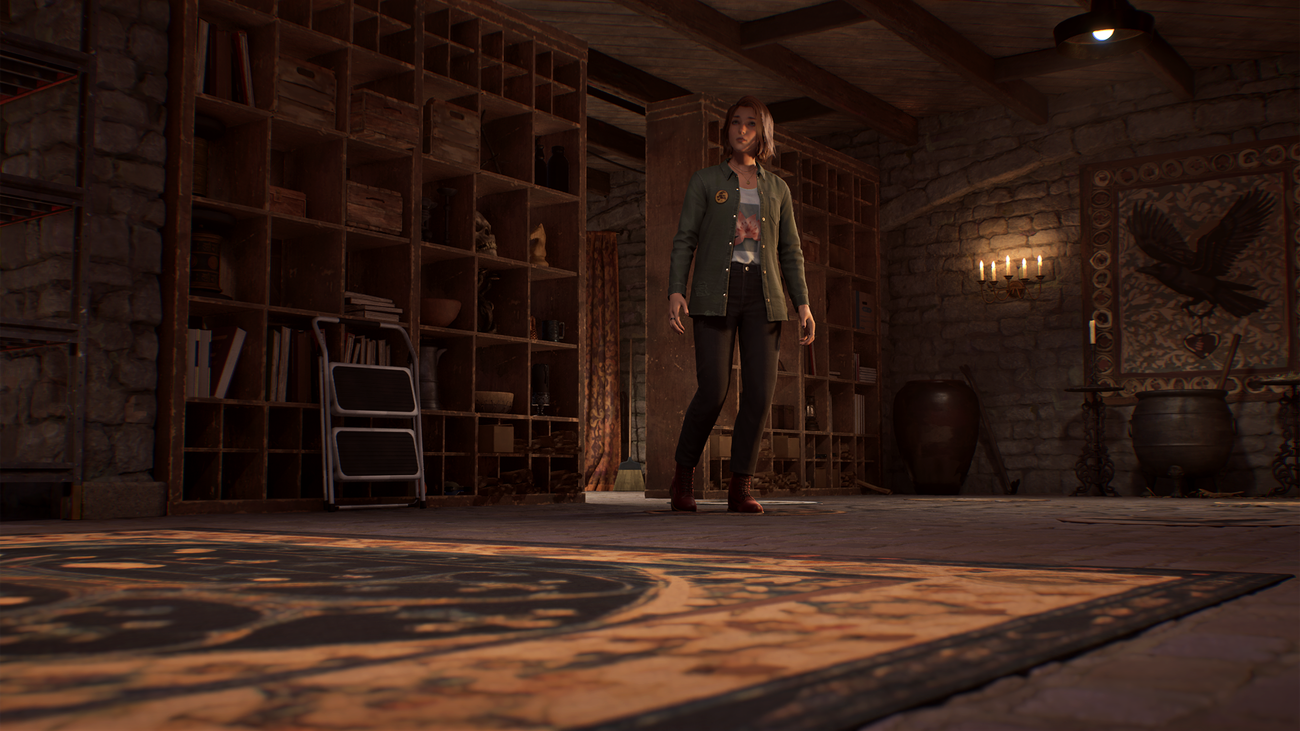
What is less defensible, however, is the occasionally cringeworthy dialogue. Chloe’s penchant for forced slang and outdated colloquialisms can be jarring; hearing characters use terms like “sexy ex-y” or “splooge” in a game set in 2026 feels out of touch. There’s a lingering concern that by attempting to replicate the vibe of the original without the original creators, the writing occasionally slips into unconvincing caricature.
Ultimately, Life is Strange: Reunion is a massive gamble. While the supernatural explanation for Chloe’s presence currently feels like a half-measure, there is a clear ambition to build upon the foundations laid by Double Exposure. Deck Nine has set themselves a Herculean task: honoring a decade-old choice while forging a new path forward. Whether they can reconcile those two goals remains to be seen, but the mystery is intriguing enough to keep me watching.
Source: Polygon
Related articles
 Assassin’s Creed Black Flag Resynced Developers Confirm New Mode
 Best Visions to Use in Final Fantasy Resonance
 Activision’s Polish Studio Reportedly Developing Open-World RPG to Rival GTA VI and Cyberpunk 2077
 Amazon’s Mass Effect TV Series Reportedly Still in Production Despite BioWare Closure
 Shadow of the Tomb Raider Unexpectedly Launches on Switch 2, Making Full Trilogy Available
 Nintendo’s Shigeru Miyamoto Selected as First Game Developer to Receive Japan’s Order of Culture
 Best DMZ Traits in Modern Warfare 4
 BioWare Veteran Explains Who Was Actually Responsible for Controversial Dragon Age Decisions