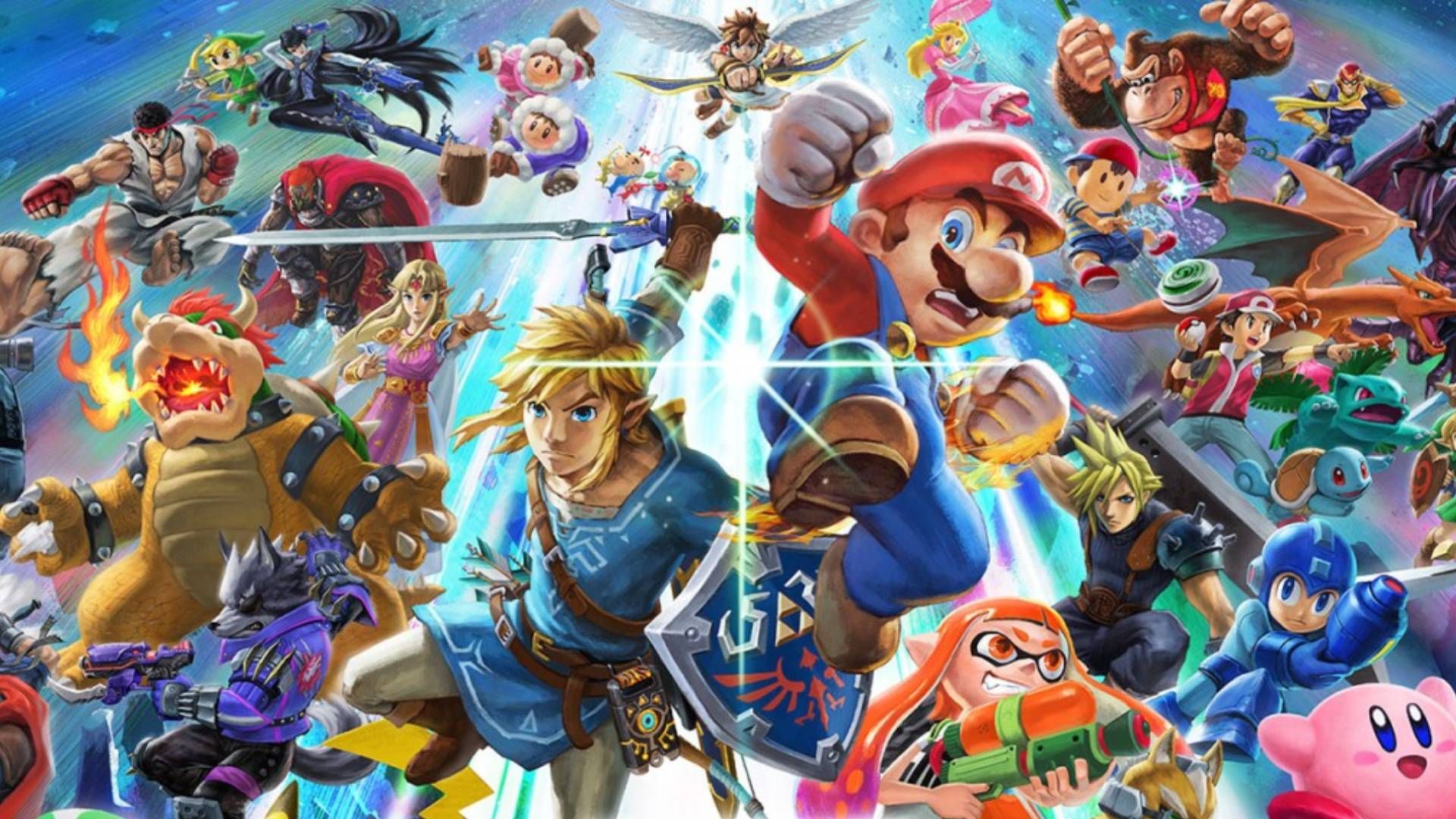
Despite being the architect behind legendary franchises like Kirby and Super Smash Bros., Masahiro Sakurai remains surprisingly humble. The industry veteran recently admitted that he doesn’t view himself as a “hit-maker,” nor does he think of his creations as mere commercial triumphs. Instead, he finds himself constantly inspired—and challenged—by the work of his peers, stating that he feels a relentless need to “keep pushing” his own creative boundaries.
In a candid discussion with 47 News, Sakurai reflected on the alternate reality where Kirby might have failed to reach its current status as a global phenomenon. According to the designer, his personal trajectory likely wouldn’t have changed at all.
“It wasn’t really about the success,” Sakurai explained. “Whether the game performed well at retail or not, I believe I still would have dedicated my life to game development. I honestly don’t spend much time thinking about having created a ‘hit,’ or seeing myself as some kind of hit-maker.”
It appears that even a creator of Sakurai’s stature deals with a touch of imposter syndrome. “When I look at other titles, I’m often struck by how amazing they are,” he noted. “Other developers achieve things that my team and I simply cannot. I’m constantly analyzing how they managed to create something so incredible, and it makes me feel like I have to work even harder to reach that level of excellence.”
While he often compares his work to that of his contemporaries, he acknowledges that the interactive nature of gaming makes such comparisons difficult. “The reality is that video game development is fundamentally different from other media because the technology is in a state of constant evolution,” Sakurai said. “If you look at games from 20 or 30 years ago compared to those of today, they are worlds apart. Because the medium moves so fast, it’s hard to look back and truly quantify your achievements.”
Beyond the technical leaps, the sheer variety of modern gaming makes direct comparisons nearly impossible. It is, for example, an exercise in futility to weigh the merits of a roguelike sensation like Balatro against a cinematic epic like Clair Obscur: Expedition 33.
Ultimately, Sakurai’s philosophy remains simple: the work should speak for itself. He once famously remarked that it is better for audiences to “just play the games, instead of looking at who made them.”