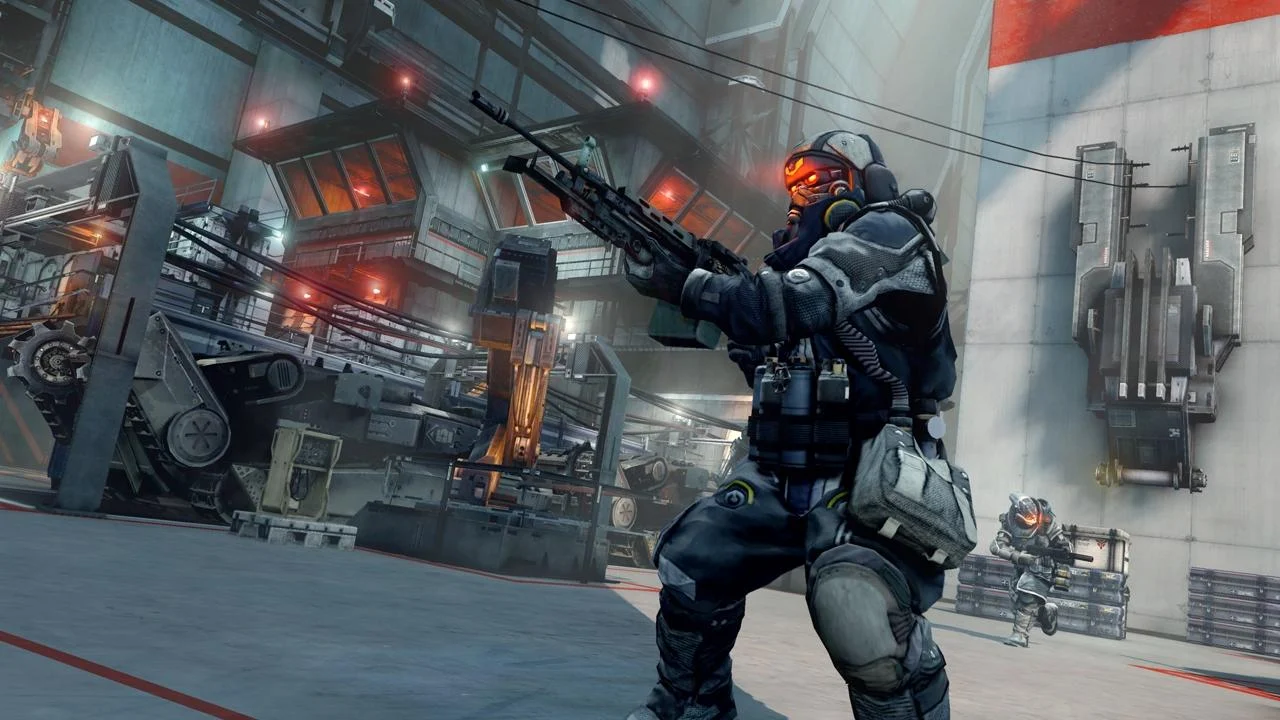
Killzone 3 Turns 15: The Shooter That Could Breathe Life Into Modern Call of Duty and Battlefield
The latest installments in the Call of Duty and Battlefield franchises have faced significant backlash from the gaming community. Players have voiced frustrations over lackluster map design, persistent performance issues, and a perceived stagnation in creative innovation. While Call of Duty: Black Ops 7 has been a primary target of this criticism, Battlefield 6 received a somewhat more tempered yet still lukewarm response. Furthermore, the single-player campaigns in both series are being panned for their diminished scale and lack of cinematic impact.
February 22, 2026, marked the 15th anniversary of Killzone 3, the landmark shooter from Guerrilla Games for the PlayStation 3. This entry evolved the series by introducing a faster, more fluid gameplay loop compared to its predecessor. It featured highly responsive controls, a versatile three-weapon carry system, and a more intricate melee combat mechanic. The missions were characterized by their grand scope and a transition toward much more diverse environmental settings.
To this day, Killzone 3 is remembered for its breathtaking cinematic set pieces, expansive battlegrounds, and an aggressive AI that intelligently utilized the environment to challenge players. Upon its release in 2011, the title’s technical prowess—specifically its sound design and visual fidelity—was widely regarded as the gold standard for the PS3 hardware.
A recent commentary on Comicbook suggests that modern shooters could learn a vital lesson from Killzone 3. By returning to a design philosophy centered on massive levels and awe-inspiring spectacles, the next Call of Duty and Battlefield titles might recapture the sense of epic military drama that fans crave. It is this very essence of scale and atmosphere that enthusiasts believe originally defined the golden eras of Call of Duty: Modern Warfare 2 and Battlefield 1.
Source: iXBT.games
Related articles
 NDP Leader Avi Lewis Criticizes EA Over BioWare Closure, Calls for Federal Support for Employee Buyout
 Trailer for Canceled Mass Effect 5 Leaks Online, Bloomberg’s Jason Schreier Says It Is Real
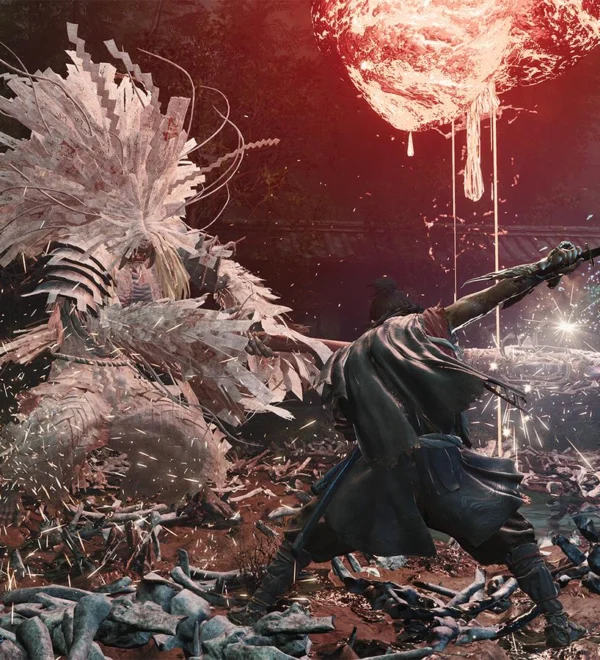 Capcom Had to Improve RE Engine for Onimusha: Way of the Sword’s New Enemy Dismemberment System
 Saber Interactive Head Calls AA Games Like Hellraiser: Revival the Future of the Industry
 Two Skyrim-Themed Elder Scrolls Online Add-Ons Now Free in Base Game
 Microsoft CEO Satya Nadella’s pay falls 6% to $90.6 million as Xbox misses a proxy target
 The Witcher’s Geralt Returns in New 2026 Release
 Fatekeeper Becomes a Steam Hit With 500,000 Sales From a 13-Person Team