
Kenny Loggins Condemns Unauthorized Use of “Danger Zone” in AI Video Depicting Donald Trump Dumping Feces on Protesters
Kenny Loggins Demands Removal After Trump Shares AI Video Using “Danger Zone”
Published Oct. 20 — News

President Donald Trump recently circulated an AI-generated clip that depicts him piloting an aircraft and dropping feces on protestors — a montage set to Kenny Loggins’ “Danger Zone.” The dramatized clip, shared online Oct. 18, prompted a sharp response from the singer-songwriter.
In a statement posted to his Instagram account on Monday, Oct. 20, Loggins said the track’s inclusion was “unauthorized,” adding that no one asked for his permission — a request he says he would have denied. He formally asked that the recording be removed from the video immediately.
Loggins also appealed for unity, writing that music should be a force for bringing people together rather than deepening divisions. “We’re all Americans, and we’re all patriotic,” he said, urging listeners to reject the idea of an “us versus them” mentality and to use music as a means to celebrate shared values.
Billboard has contacted the White House for comment.
The video arrived amid nationwide “No Kings” demonstrations opposing the twice‑impeached politician’s policies. Its imagery appears to answer those protests, portraying Trump crowned and at the controls of a plane that scatters feces over AI-rendered demonstrators holding signs in the streets below.
AI-produced clips have become a frequent element of the former president’s social-media output this year, and disputes over unauthorized uses of music are not new to his campaigns. Just weeks before Loggins’ statement, members of Blue Öyster Cult publicly distanced themselves after “(Don’t Fear) The Reaper” was used in an AI clip that mocked Democrats.
Artists have long objected to the unapproved use of their work in political contexts. Since Trump’s first White House term beginning in 2016, musicians from Beyoncé and the Foo Fighters to Adele, Celine Dion and Jack White have raised objections when their songs were used without permission in campaign publicity and advertisements.
Loggins’ appeal underscores a broader conversation about consent, copyright and the ethical use of music in digitally manipulated media.
View Kenny Loggins’ Instagram statement

Related articles
 PSYCHIC FEVER Discuss New Album ‘DIFFERENT’ in Interview
 Vaundy Expands Live Audience Beyond Japan
 Travis Kelce Discusses Taylor Swift’s Football Knowledge
 CoComelon Announces New Lullabies Album Featuring Peaceful Versions of Farmer in the Dell and Other Nursery Rhymes
 New Music Friday Guide: Releases from Miley Cyrus, Carly Rae Jepsen, Riley Green, and Rosé
 Jason Kelce Reveals What His Daughters Called Taylor Swift When They First Met Her
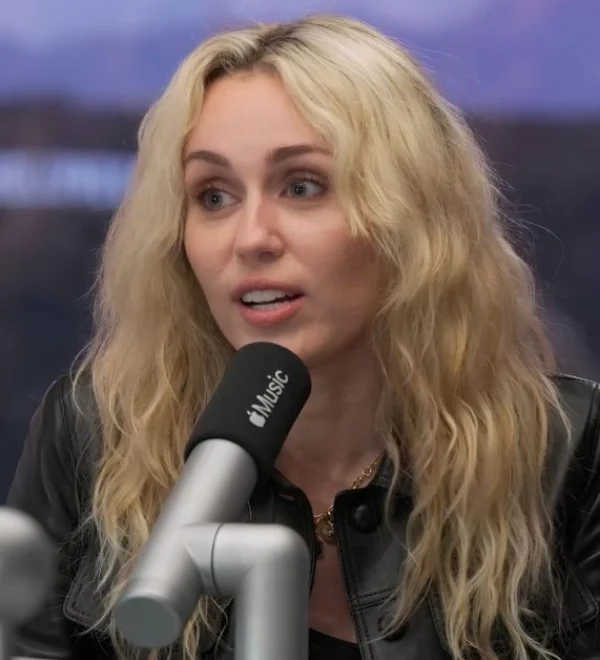 Miley Cyrus Says Dolly Parton Helped Her Maintain a Persona While Staying True to Herself
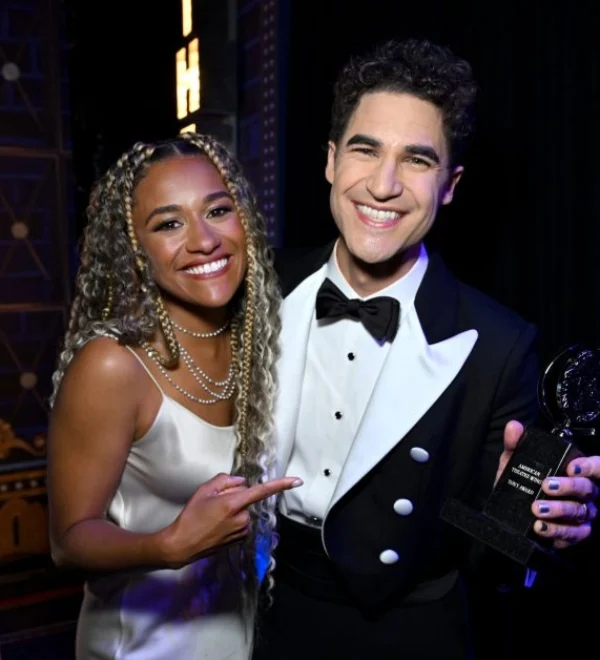 Bernadette Peters, Darren Criss and Ariana DeBose to perform at 2nd Annual Fetch Pet Gala in New York