
How K-Pop Demon Hunters Is Reviving Tween Girl Culture

By any metric, 2025 belonged to KPop Demon Hunters. Since Netflix’s animated musical made its debut last June, it has transformed from a mere streaming release into a cultural phenomenon. Half a year later, its breakout anthem “Golden” remains a fixture in the Billboard Hot 100 top ten, holding its ground as the most popular non-seasonal track on the charts. Currently the most-watched original film in Netflix history, the movie has ignited a wildfire of fan fiction, elaborate cosplay, and a series of sold-out theatrical sing-alongs. With five Grammy nominations and a strong box office performance under its belt, a highly anticipated sequel is already in development.
The reach of the fictional group HUNTR/X even extended to the Macy’s Thanksgiving Day Parade, where two characters were immortalized as giant balloons. The ubiquity of KPop Demon Hunters is more than just a success story for Netflix; it is a definitive sign that the long-dormant “tween girl” culture is experiencing a vibrant renaissance.
As a millennial, I remember the heyday of this demographic. It was an era defined by the Disney Channel dominance of Lizzie McGuire, the rise of edgier Bratz dolls challenging Barbie, and pop groups like Dream playing on a loop at Limited Too. It was a space specifically carved out for girls aged 9 to 13.

However, as social media reshaped the digital landscape, tween culture seemed to evaporate. Market forces favored young children with parental funding or older teens with their own disposable income. Consequently, the developmental bridge between childhood and adolescence began to crumble, with algorithms funneling mature trends directly to kids. This gave rise to the “Sephora Kid” phenomenon, where pre-teens skipped the “awkward” phase in favor of sophisticated skincare routines.
The breakthrough of KPop Demon Hunters suggests a pivot back toward age-appropriate fandom. I initially dismissed it as another animated movie for small children—a K-pop flavored Frozen. But while it certainly captured the imaginations of trick-or-treaters, its appeal spans much wider, reaching into the young adult K-pop community. If the film were merely for children, its soundtrack wouldn’t be dominating the global charts months after its release.

The members of HUNTR/X possess an edge that differentiates them from traditional Disney royalty. Their struggles—Rumi’s anxiety over her changing voice, Mira’s “rebellious” reputation, and Zoey’s battle with people-pleasing—resonate deeply with the pre-teen experience. They live out a dual-life fantasy, moonlighting as formidable demon hunters with stylish gear and supernatural combat skills. While the “authenticity” theme is familiar, the movie’s genuine focus on sustaining female friendships is a refreshing and much-needed departure from media tropes.
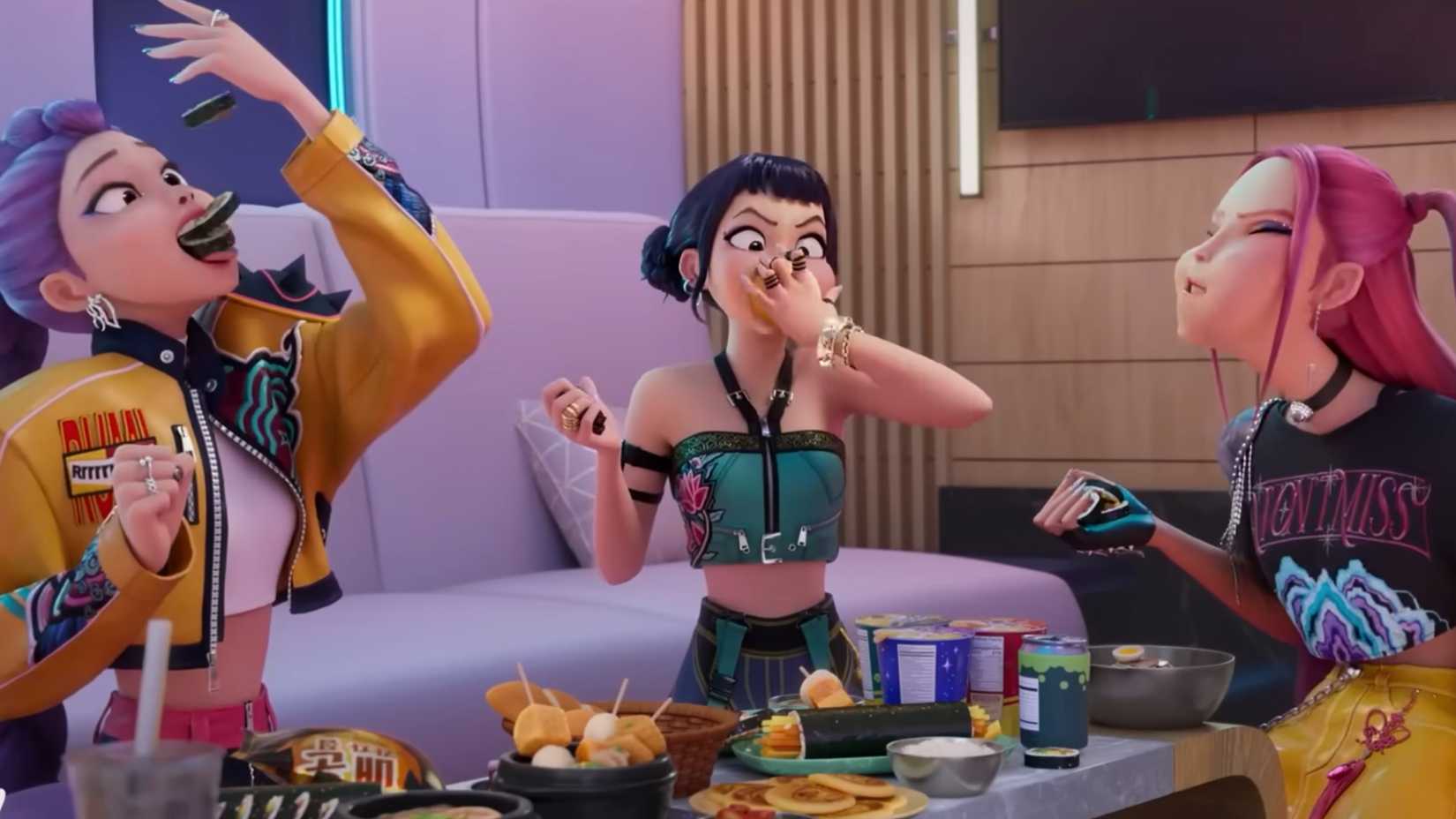
Much like the Bratz dolls before them, the HUNTR/X trio has sparked debate among more conservative parents. Yet, this “edginess” is exactly what makes the film a magnet for tweens. It combines catchy music, emotional depth, and a playful absurdity that speaks directly to that age group. In an era where eight-year-olds are targeted with anti-aging marketing, HUNTR/X provides a wholesome yet “cool” alternative to the digital clutter typically found on short-form video apps.
The film’s massive reach proves that the tween girl demographic is a powerhouse. This realization will likely influence the broader entertainment industry, which often follows the lead of unexpected hits. Beyond the confirmed sequel, discussions for a television expansion are underway, hopefully signaling a new wave of high-quality content tailored for pre-teen audiences.

It feels like a genuine shift is occurring. Last year, my seven-year-old niece was asking for Sephora credit. Now eight, her only request is a Rumi costume—a development I find much more encouraging. Seeing her practice “Golden” and stage imaginary demon battles is a far more joyful sight than watching her mimic a skincare influencer’s morning routine for an invisible camera.
Source: Polygon
Related articles
 CD Projekt Red Begins Development on New Game Outside The Witcher and Cyberpunk Franchises
 Dragon’s Dogma 2 Receives Performance Boost From 25 to 60 FPS
 Devil May Cry Creator Reveals His Biggest Fear Beyond the Death of Physical Discs
 Journalists Praise Silent Hill: Townfall Demo
 Developers Say Tomb Raider Catalyst Retains 2013 Trilogy Lara Croft
 Ori Creator Evaluates Media Scores and Notes Discrepancies With Player Opinions
 Saros to Receive Free Expansion with New Modes and Secrets
 Bodycam 0.8 Locked & Loaded adds Trenches map and 400 weapon attachments