
Highguard’s Path to Release: New Report Chronicles Pre-Launch Preparation and Post-Launch Fallout
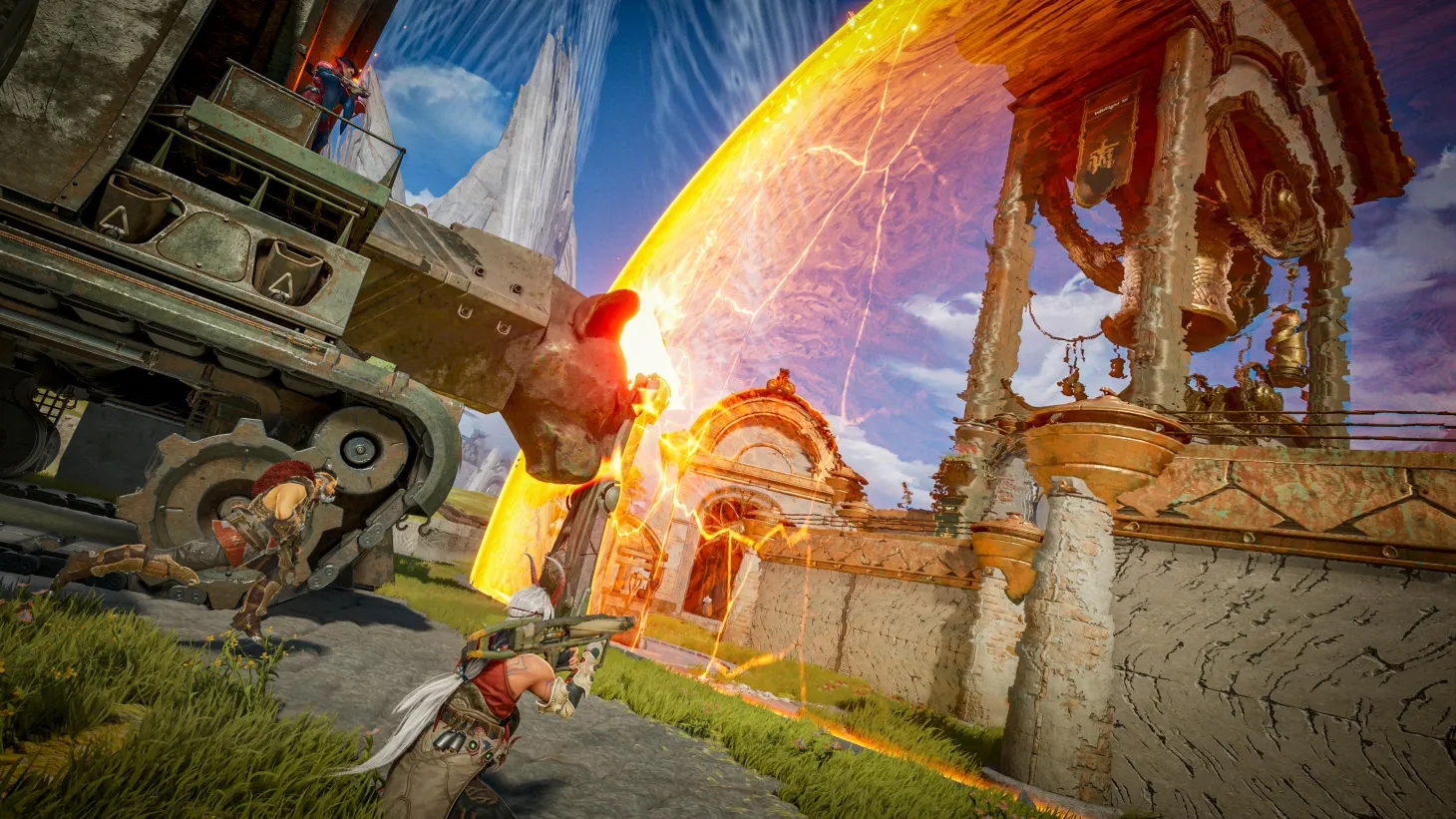
Following its high-profile debut at The Game Awards 2026, the first-person raid shooter Highguard made its way to PlayStation 5, Xbox Series X/S, and PC. Developed by Wildlight Entertainment—a studio comprised largely of former Titanfall and Apex Legends veterans—the game initially appeared to be a breakout success, surpassing 100,000 concurrent players on Steam during its launch window. However, that momentum was short-lived. In the weeks since, player numbers have plummeted, and the game’s community standing has settled into a “Mixed” rating on Valve’s storefront.
The fallout has been swift and severe. Just 14 days after the game hit digital shelves, Wildlight Entertainment laid off the vast majority of its 100-person workforce. A recent investigative report from Bloomberg/Forbes reveals that a skeleton crew of fewer than 20 developers is all that remains at the studio. Despite this drastic reduction in staff, the remaining team has managed to deploy two substantial stability patches in a desperate bid to keep the project afloat.
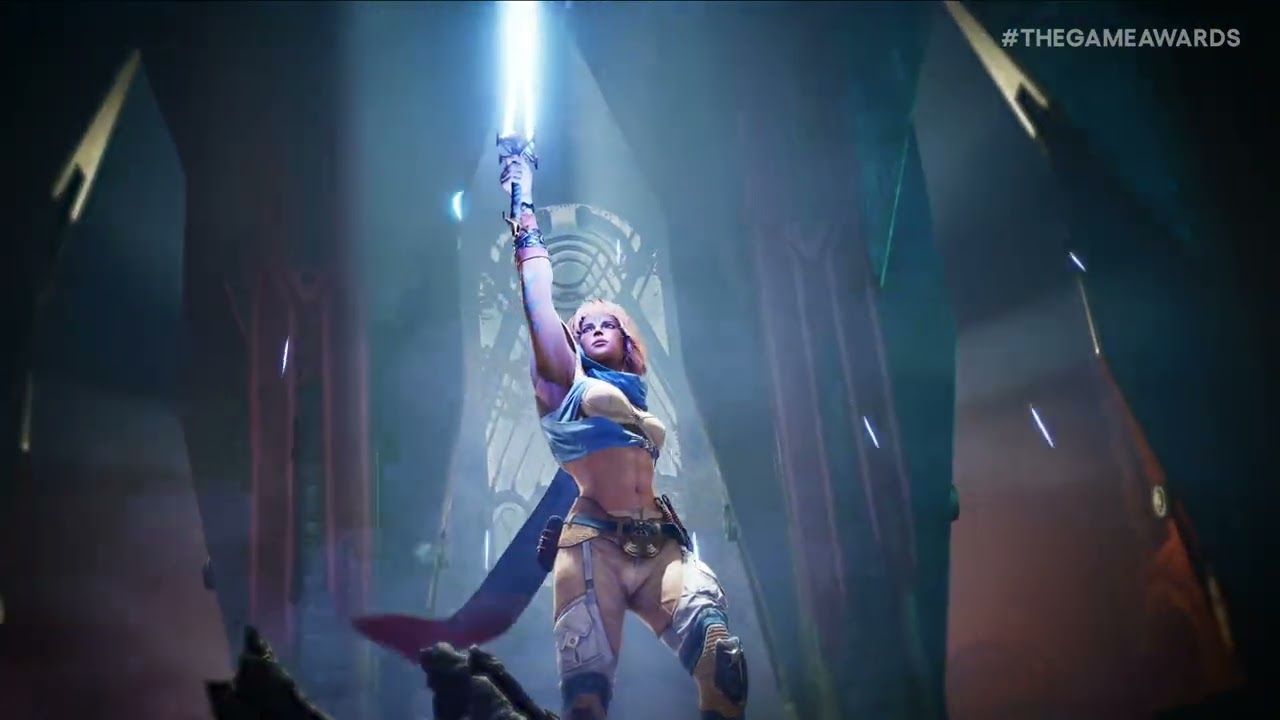
The Forbes report sheds light on the internal friction that preceded this decline. In 2021, a core group of creatives departed Respawn Entertainment after seeing Apex Legends generate over $3 billion in revenue while feeling their personal compensation didn’t reflect that massive success. Wildlight was founded on the promise of an equitable profit-sharing model, an incentive used by CEO Dusty Welch to lure top-tier talent. What began as a survival title reminiscent of Rust eventually pivoted into the raid shooter that became Highguard, fueled in part by secret funding from Tencent’s TiMi Studio Group.
While internal playtests were reportedly positive, some developers voiced concerns that these tests didn’t simulate the chaotic, uncooperative reality of public matchmaking. These employees advocated for an open beta or public playtest to iron out mechanical hurdles. However, leadership allegedly vetoed the idea, aiming to replicate the “shadow drop” lightning-in-a-bottle success of Apex Legends. This gamble proved costly; when the public finally got their hands on the game, the reception was tepid, with online critics frequently comparing it to the ill-fated Concord.
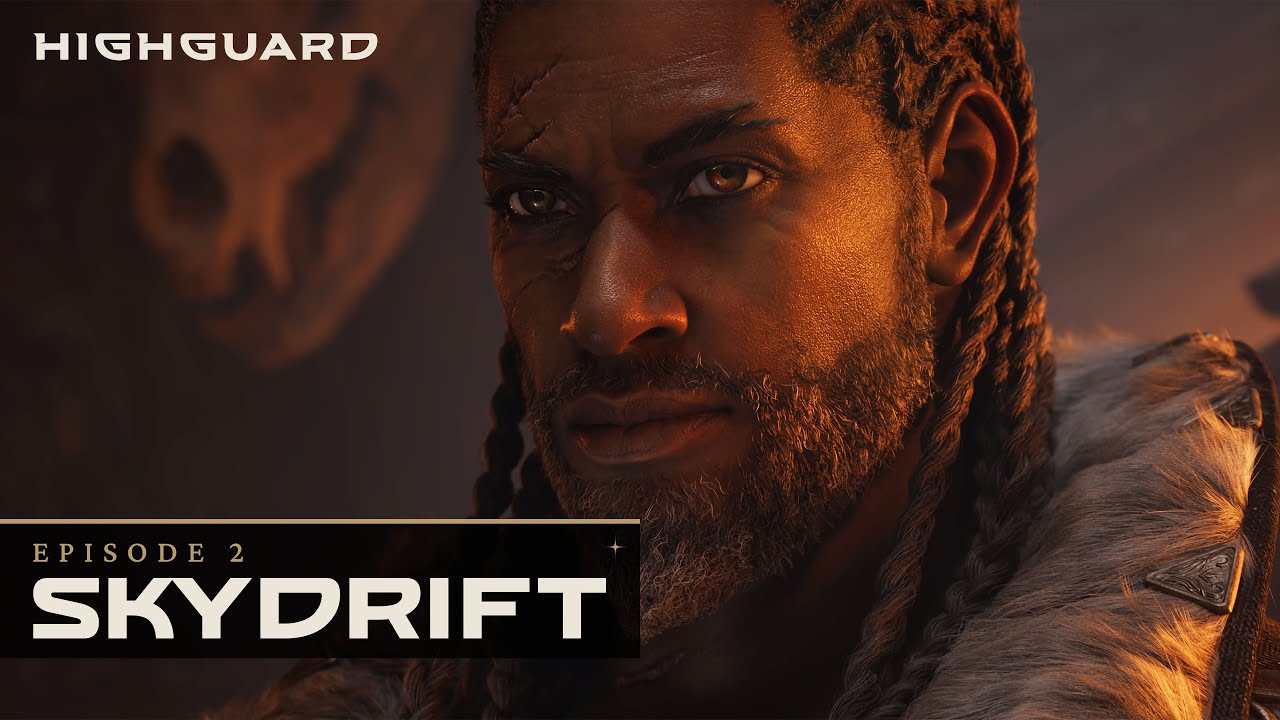
By the time Highguard launched on January 26, morale within the studio had already deteriorated. Although the game received a respectable 7.5/10 from some critics, the free-to-play model requires a massive, consistent player base to sustain its microtransaction-heavy economy. With a dwindling population and a decimated development team, the long-term viability of the project remains precarious.
Have you spent any time in the world of Highguard? We’d love to hear your thoughts on the game’s current state in the comments below.
Related articles
 Capcom Veteran Says Resident Evil – Code: Veronica Hurt the Franchise and Pushed RE5 and RE6 Toward Action
 Bleach Poster Released for Finale of “Thousand-Year Blood War” Anime
 Blood of Dawnwalker’s Huge Update Is Finally Here, and the Complete Changelog Is Wild
 Chandler Riggs Releases Resident Evil 7 Fan Film Biohazard
 Marvel Reportedly Needs to Move Quickly as Insider Names Start Date for “Avengers: Secret Wars” Filming
 Dispatch Anniversary Update Adds Commentary Track, Storyboard Mode, and Mobile Port
 Taika Waititi’s Star Wars Film Put on Hold, Director Comments on Its Fate Six Years After Announcement
 Filming Wraps on Life Is Strange TV Series