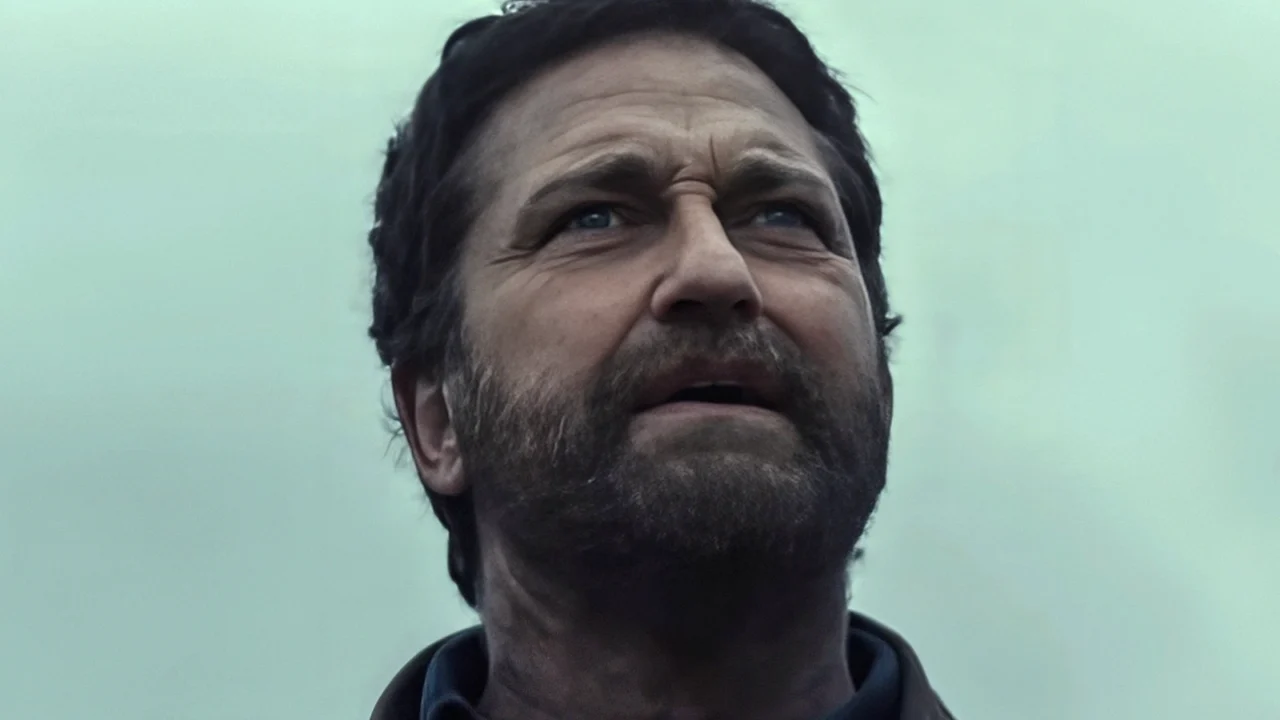
Gerard Butler’s New Post-Apocalyptic Thriller Draws Inspiration From Children of Men

A sequel to Greenland was never part of Ric Roman Waugh’s original vision. “A follow-up wasn’t even on our radar,” the filmmaker behind the 2020 disaster hit and its upcoming 2026 successor, Greenland 2: Migration, explains. “It simply wasn’t meant to happen.”
The challenge was significant: how do you draft a narrative that follows the literal apocalypse? While many directors might opt for a convenient retcon or a narrative shortcut to undo the damage, Waugh was committed to the consequences of the first film. In that story, structural engineer John Garrity (Gerard Butler) navigates a collapsing society to get his family to a sanctuary in Greenland just as a planet-killing comet strikes.
“We didn’t pull any punches,” Waugh remarks. “In the typical Hollywood formula, the hero stops the threat and the world is saved. In our movie, the world was decimated. It actually happened. We wanted to remain uncompromising in our approach to the sequel.”

The shift in perspective came from Greenland’s surprising longevity. Released in December 2020 during the height of the global pandemic, the film bypassed a wide theatrical release for a quieter debut on video-on-demand. Waugh remembers the irony: “You finish this project, and suddenly you’re releasing a disaster movie in the middle of a real-world catastrophe.”
However, that timing proved providential. Once the film arrived on HBO Max in 2021, it evolved into a sleeper sensation. The overwhelming audience response encouraged Waugh and screenwriter Chris Sparling to contemplate the “what happens next” scenario.

Their creative solution was to move directly into the aftermath. Greenland 2: Migration functions as a gritty post-apocalyptic thriller. The plot finds Garrity, his wife Allison (Morena Baccarin), and their son Nathan (now played by Roman Griffin Davis) forced to leave their bunker when it becomes unlivable. Their new trek reveals a planet fundamentally reshaped by the impact: submerged metropolises, chaotic atmospheric shifts, and the total disintegration of civil protection.
While the film shares DNA with The Last of Us—minus the infected—the true danger stems from the desperation of other survivors. Waugh points to a different cinematic influence for this tone.
“I’ve always been a fan of Children of Men,” he says. “You’re navigating a stark, dystopian reality, but the focus remains on the human element—our capacity for both cruelty and kindness. That’s the heart of this series for me. The nature of the disaster is secondary. Whether it’s a comet or a plague, the real story is how we treat each other when everything falls apart.”
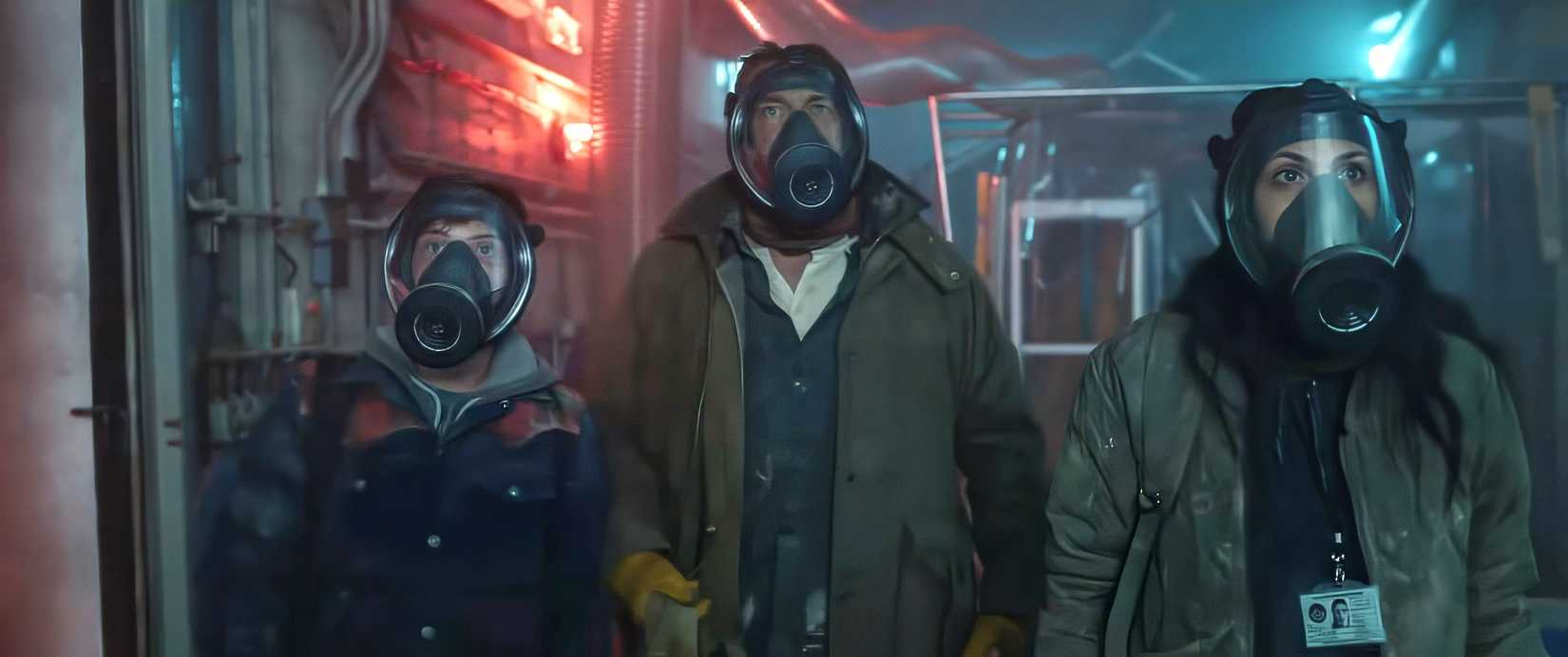
Despite the grim premise, Migration isn’t devoid of hope. The Garrity family encounters pockets of humanity striving to help, contrasted against those driven to violence by scarcity. Waugh isn’t interested in moralizing; having lived through a global upheaval himself, he hopes to hold up a mirror to the audience.
“I wanted to explore several complex moral dilemmas,” Waugh concludes. “My aim isn’t to provide the answers, but to present these raw situations and let the audience engage in the conversation.”
Greenland 2: Migration arrives in theaters on January 9.
Source: Polygon
Related articles
 GTA VI Trailer Outpaces Netflix Films in Popularity Across 87 Countries
 7 Years Later, What Remains of Edith Finch Still Has the Most Haunting Quote in Gaming
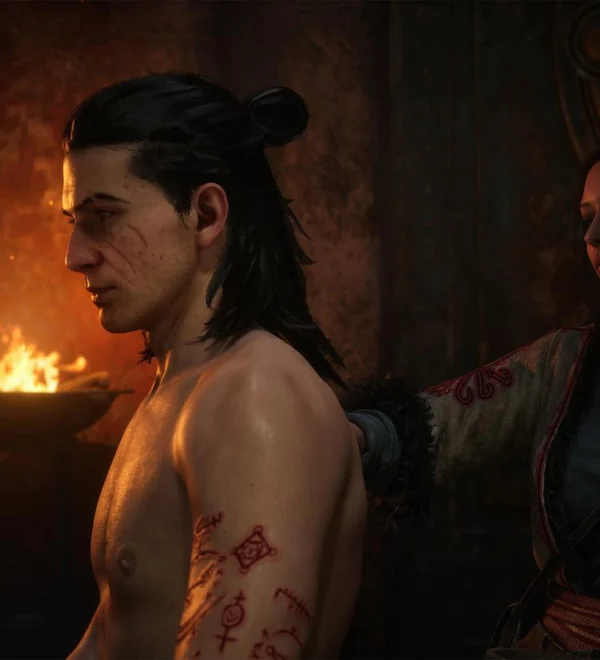 The Blood of Dawnwalker Tops Steam Sales Charts
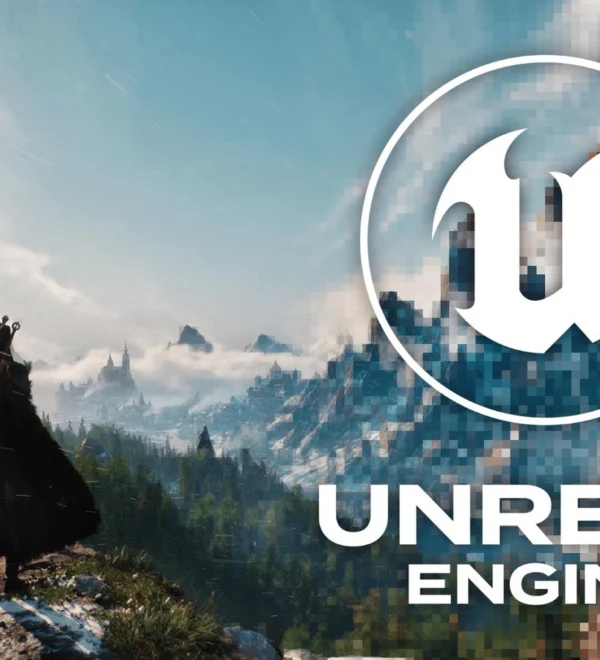 CD Projekt Red Details Unreal Engine 5 Plans for The Witcher IV
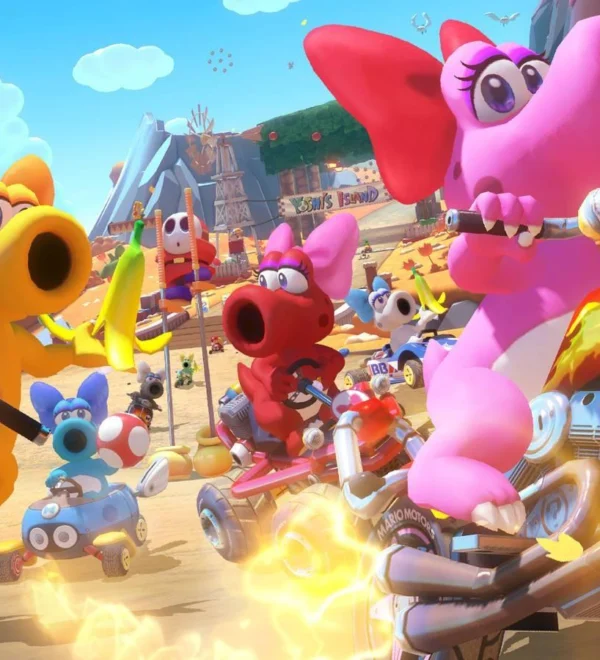 Nintendo Releases Major Update for Mario Kart 8 Deluxe on Switch 2
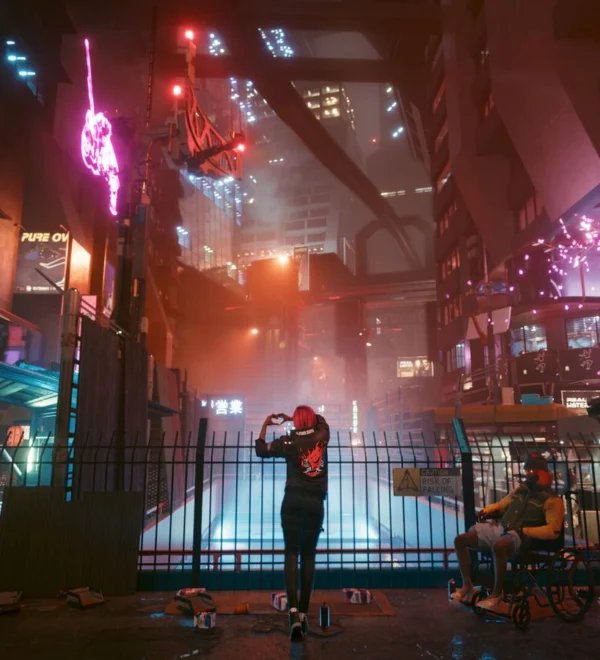 The Witcher 3 and Cyberpunk 2077 Surpass 100 Million Combined Sales
 Avengers Doomsday Directors Explain Filming Without Final Script
 Ninja Gaiden III, Ikari Warriors, and R.C. Pro-Am II Join Nintendo Switch Online Classics Library