Share via:
For his own projects, Francis uses a simple method: he asks potential players what they think the game should cost. “Every time we’ve gone with the price most people chose, the games have sold exceptionally well and received great reviews,” he explains.
He counters the common fear of “undervaluing” hard work by pointing out that the potential audience is virtually infinite and pricing is highly elastic. According to Francis, adjusting the price doesn’t drastically shift total revenue. If you charge $20 for a game people expect to be $10, you might double your profit per unit, but you’ll likely see a proportional drop in total copies sold.
Francis also dismisses concerns about a “race to the bottom” in indie pricing. Having observed the industry for over two decades as both a developer and a journalist, he notes that players have been debating the value of $10 and $15 titles for over ten years without much change. While a viral, low-budget title might occasionally succeed at a $5 price point, it doesn’t mean high-quality indies can no longer command $20. He points to the developers of Peak, who recently justified an $8 price for their viral project, as a relevant example.
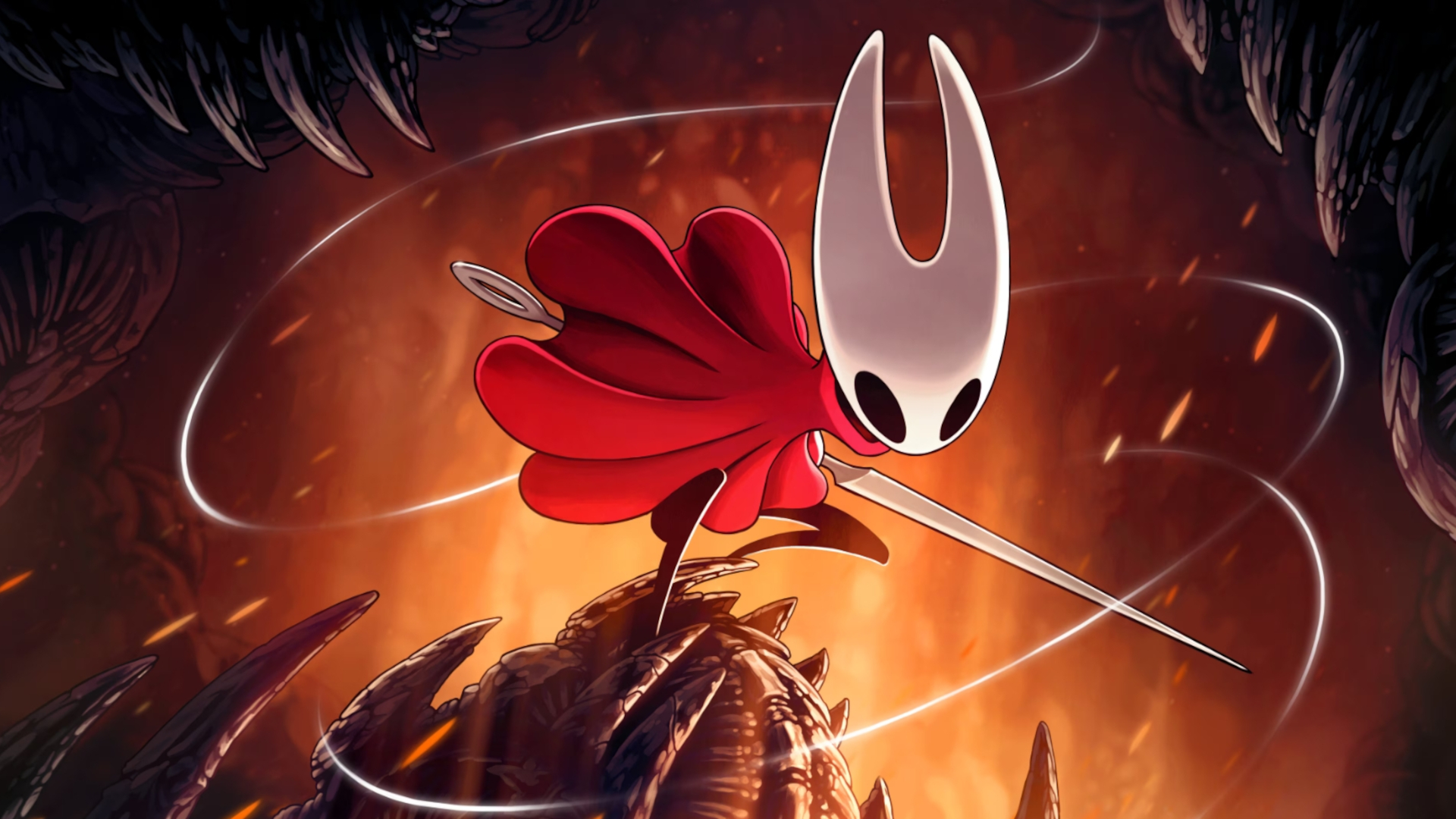
Another case in point, according to Francis, is Hollow Knight: Silksong. He suggests that if a race to the bottom were real, fans would be complaining about the sequel’s cost. Instead, even though Silksong is priced $5 higher than its predecessor nine years later, the community was shocked by how affordable it seemed—even before seeing the sheer scale of the game. Ultimately, Francis asks a poignant question for developers trying to fight pricing trends: “How real and how important a cause would this have to be for you to tank your own launch for it?”
Don’t miss our comprehensive guide to the most anticipated upcoming indie games.