Historically EA hasn’t been in the habit of selling its franchises. Darrah argues that’s partly because the people charged with those decisions are often rewarded for minimizing risk — they avoid moves that could later be criticized if an IP they sold became hugely successful. In practice, inaction has been the safest path for many executives.
That calculus could change under a new ownership structure, though. Darrah suggests incentives might shift toward cutting costs or raising cash — in some cases specifically to reduce debt quickly and avoid leaving the company in a precarious financial position.
“People who have spent their careers trying to keep their heads down and avoid risky moves might suddenly find themselves in a situation where the sensible thing is to sell whatever assets they can.”
Darrah points out that “EA has a huge repository of dormant IPs that are just sitting there.” He argues the new ownership may not be inclined to revive many of those properties; instead, one pragmatic option could be to sell off the lot — even for a modest sum — to reduce debt. He also raises the possibility of studio closures, or alternatively selling whole studios or groups rather than shuttering them outright.
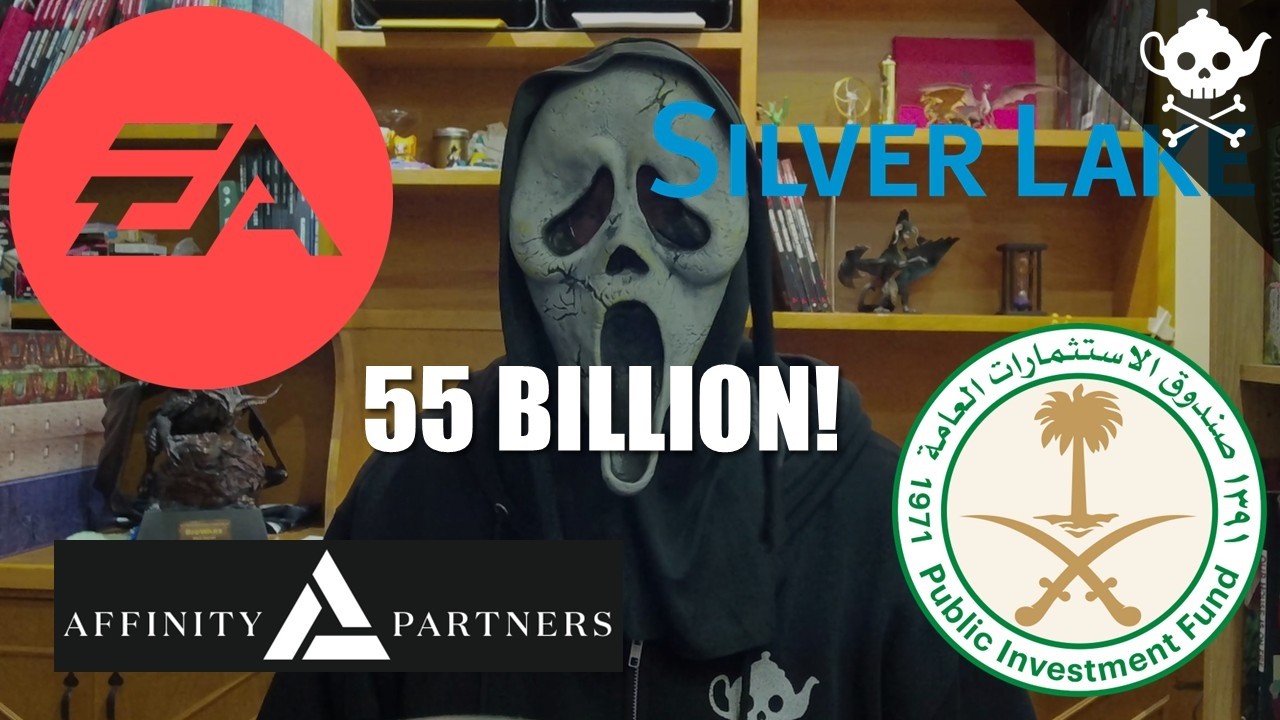
EA Goes Private For 55 Billion?! – YouTube
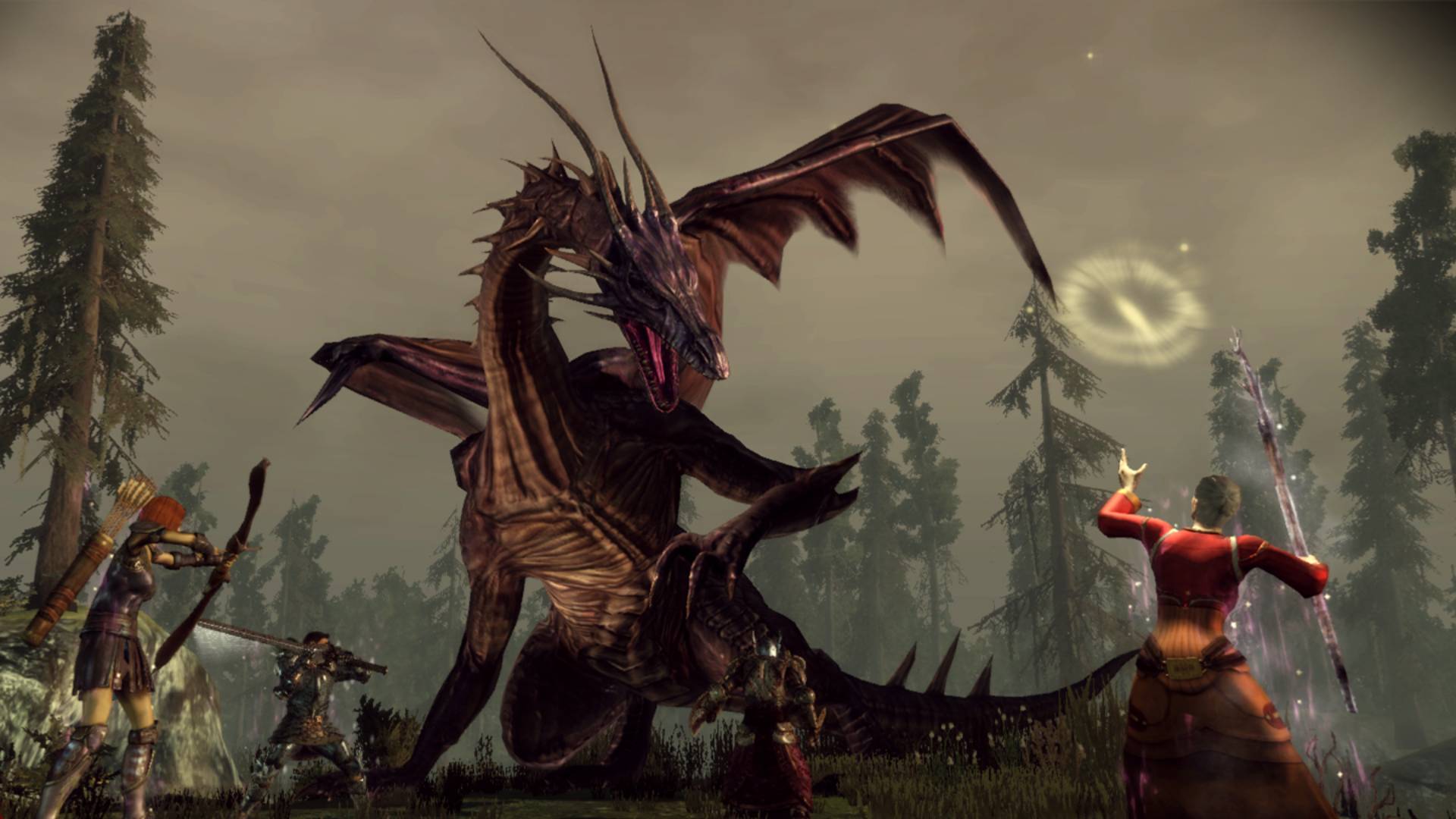
Which properties might be at risk? Darrah believes keeping EA Sports intact “makes a ton of sense,” but the broader EA Entertainment division — the arm that handles non-sports franchises like Dragon Age and Mass Effect — could be vulnerable. He says it’s plausible that EA Entertainment, or large portions of it, could be sold to a well-funded buyer such as Sony. According to Darrah, this deal may have been structured with such options in mind.
Another scenario, he suggests, is that the new owners cherry-pick the assets they want from EA Entertainment and then sell the remainder — a batch of studios that haven’t shipped in years, teams with persistent problems, or groups that build costly or niche titles the new parent doesn’t want to support. Rather than closing facilities, selling those studios could be the more financially prudent approach.
Darrah stresses he doesn’t know what the new owners will decide, and that this doesn’t necessarily mean marquee series like Dragon Age will be put on the market — only time will tell how EA chooses to proceed.
Former Dragon Age director says it’s “hard to imagine” BioWare reversing from its current approach to messaging after the $55 billion buyout, and that public reaction might not be “apocalyptically bad” if such a shift occurred.
Source: gamesradar.com