Felicia Day’s Graphic Novel Debut: A Bold and Vengeful Greek Myth Fantasy

Felicia Day has been a foundational force in nearly every corner of modern nerd culture. A true digital pioneer, she redefined gamer media with her breakout series The Guild, while her studio, Geek & Sundry, served as the launchpad for the global phenomenon Critical Role. Beyond her work as an actor in iconic shows like Supernatural, Buffy the Vampire Slayer, and Eureka, Day is a multifaceted creative—writer, producer, and New York Times bestselling author of You’re Never Weird on the Internet (Almost) and Embrace Your Weird.
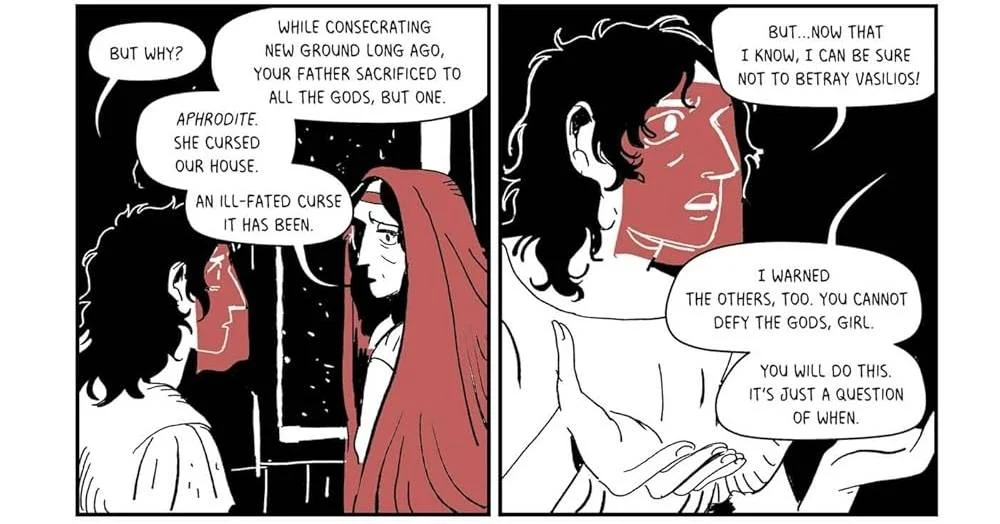
Her latest endeavor, The Lost Daughter of Sparta, marks a bold shift into the world of original fantasy graphic novels. The story centers on an overlooked figure from Greek antiquity: Philonoe, the sister of the legendary Helen of Troy and Clytemnestra. While historical records offer only a fleeting, enigmatic mention of her fate, Day found herself captivated by this ancient “throwaway line.” Inspired to fill the silence of history, she has crafted a definitive hero’s journey for a woman the myths originally left behind.
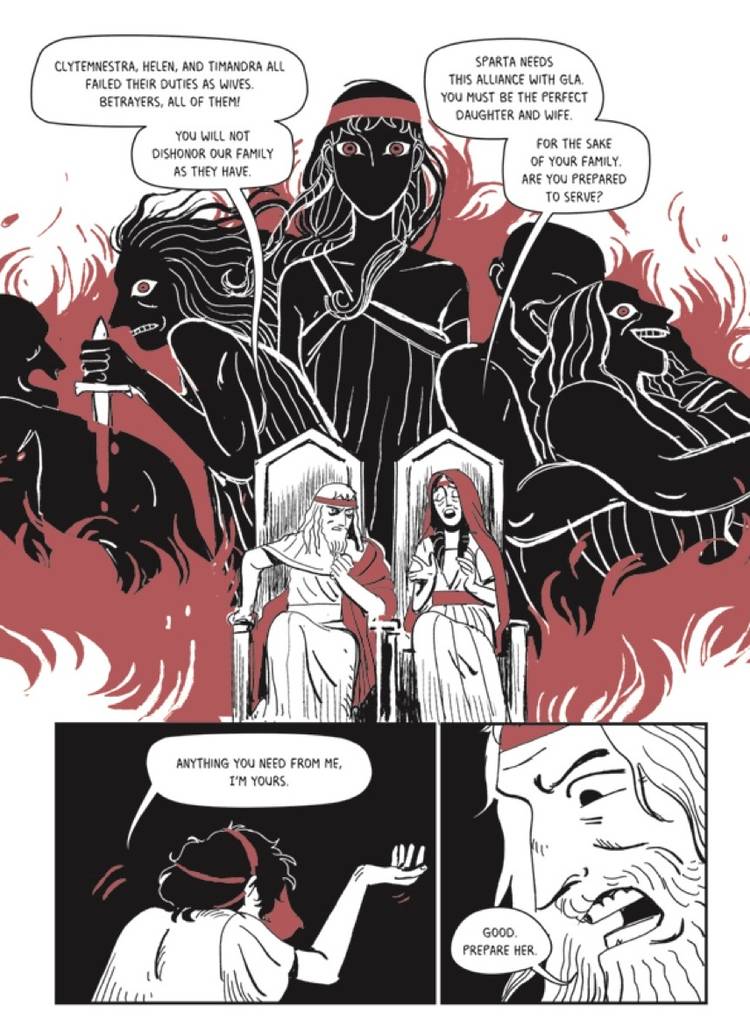
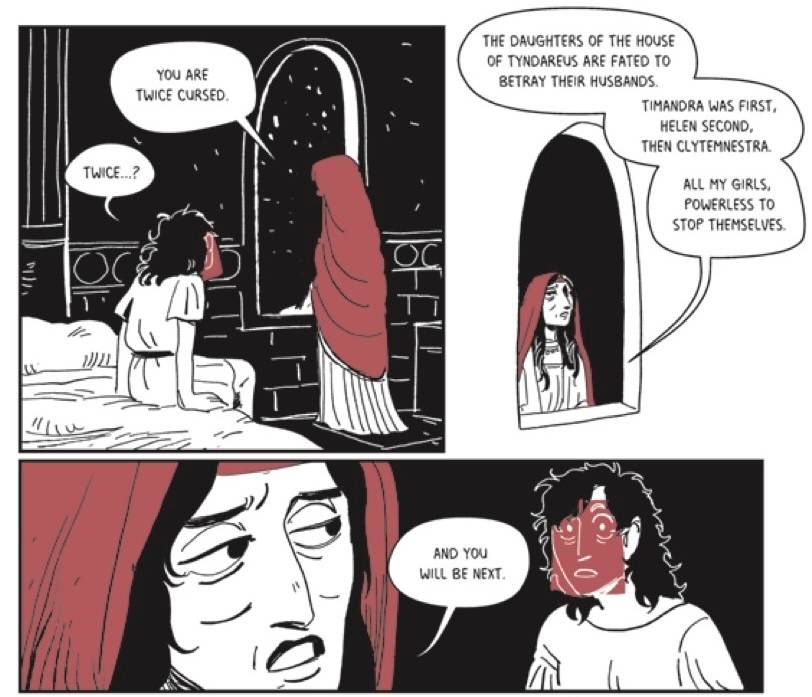
In Day’s reimagining, Philonoe is born with a facial birthmark that leads her parents—King Tyndareus and Princess Leda—to cast her aside as an ill omen. When she is pawned off in a political marriage, she discovers a far darker inheritance: a divine curse destined to make her betray her husband, a punishment from Aphrodite for her father’s arrogance. Seeking redemption and a way to break the cycle, Philonoe embarks on a quest that ultimately reveals a vital truth—that her worth isn’t tied to the approval, utility, or aesthetic standards of powerful men.
The result is a poignant, unflinching fable that serves as both a fierce social commentary and a stirring romance. We sat down with Day to discuss how this ancient myth mirrors her own journey through the entertainment industry, her collaboration with artist Rowan MacColl, and why unapologetic stories are essential in challenging modern gender narratives.
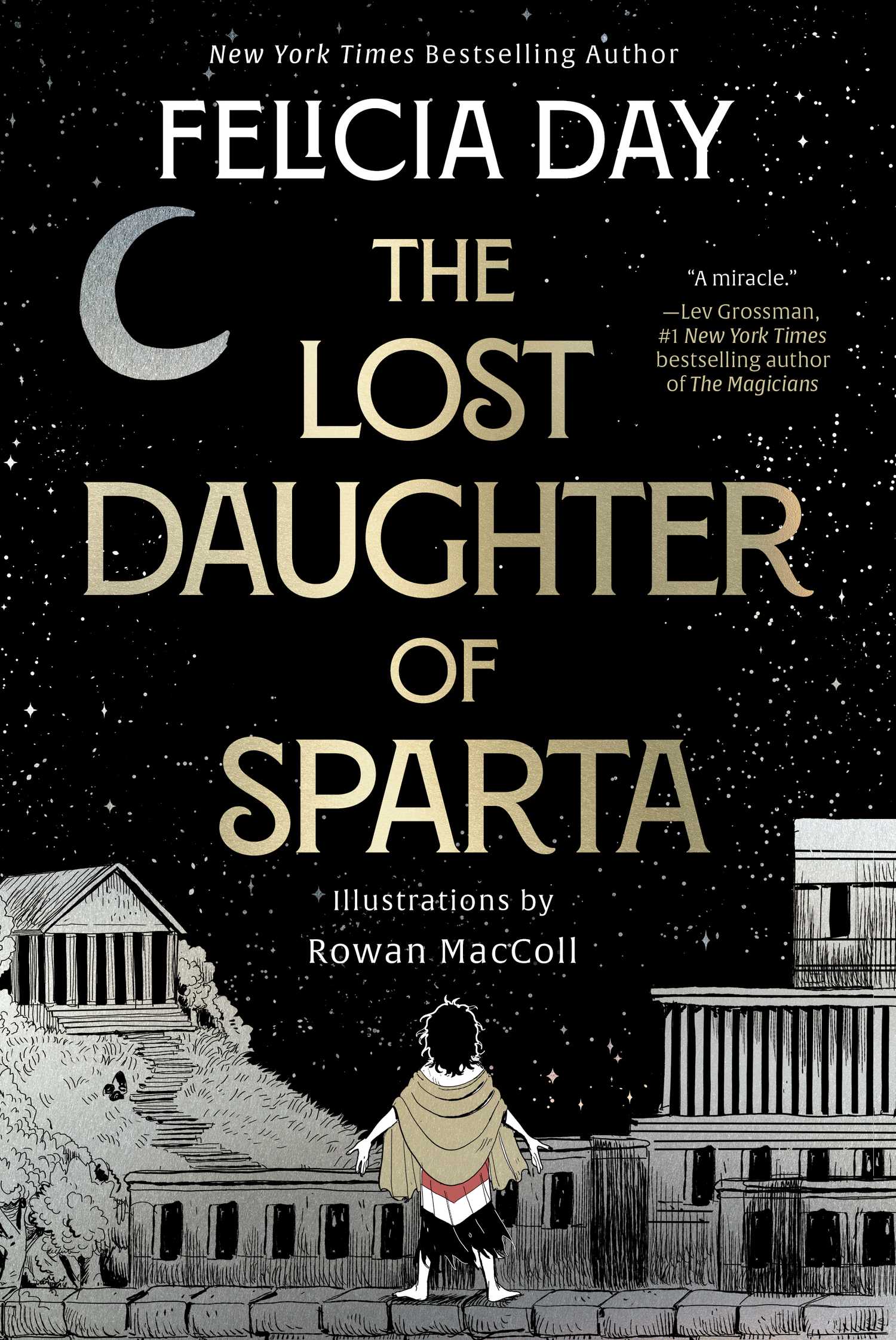 Image: Gallery Books
Interviewer: You’ve explored so many mediums throughout your career. What made the graphic novel format the right choice for this particular tale?
Felicia Day: This project really started when I stumbled upon a tiny, obscure footnote regarding the youngest sister of Helen of Troy. She exists in only one historical source, and the mystery of her silence just stuck with me. I felt like there was a massive story hidden there that had been erased or ignored. It felt like a blank canvas within a very rich world.
Initially, I considered a traditional novel, but I watched how my nine-year-old daughter consumes stories—she’s almost exclusively into graphic novels. I realized that my audience is also deeply rooted in the comics world, so it felt like the perfect bridge. Plus, I’ve never written a graphic novel before. In my career, “I’ve never done that” is usually the best reason to try it.
 Art: Rowan MacColl/Gallery Books
To what extent was this a reaction to the mainstream stories your daughter encounters regarding women’s roles?
I began writing this in 2020, during the height of the lockdowns. Being disconnected from the Hollywood machine gave me the freedom to write something that wasn’t “palatable” or “marketable” in the traditional sense. I didn’t have to pitch it to a network; I could just tell the story I wanted to tell.
But the real motivation was sharing myths with my daughter. We’d read D’Aulaires’ Book of Greek Myths—which I’ve loved since I was a kid—and she really took to them. However, as we read, I kept noticing the lack of female protagonists with actual agency. In the classics, women are often collateral damage. Heracles murdered his family and is still the hero; Theseus abandoned Ariadne after she saved him. These “great men” were often quite terrible to women. I wanted to offer a perspective that stood alongside those legends but gave the power back to the woman.
 Art: Rowan MacColl/Gallery Books
You collaborated with artist Rowan MacColl for this project. What was it about her aesthetic that made her the right fit for your vision?
I reached out to Kelly Sue DeConnick, who provided me with a massive library of artist portfolios. Rowan immediately grabbed me with her ability to depict visceral emotion and terrifying monsters without falling into “infantile” YA tropes. So many books for young women use very cherubic, wide-eyed styles, but I wanted something that felt universal across age and gender.
I wanted the art to feel raw and edgy—something that could stand next to the oral traditions of ancient myths that were meant to both entertain and challenge an entire community. Rowan’s use of red as a focal point across the pages was brilliant and entirely her own. She elevated the narrative to a level I couldn’t have reached alone.
Was there a specific piece in her portfolio that sealed the deal?
It was on her website—a stunning illustration of a warrior girl from her Cursed Princesses series. She’s sitting on a defeated dragon, looking incredibly morose and Joan of Arc-like. It was atmospheric and moody. Rowan has this rare gift for capturing the macabre while keeping a profound sense of humanity in the characters’ eyes. It was exactly the “soul” I was looking for.
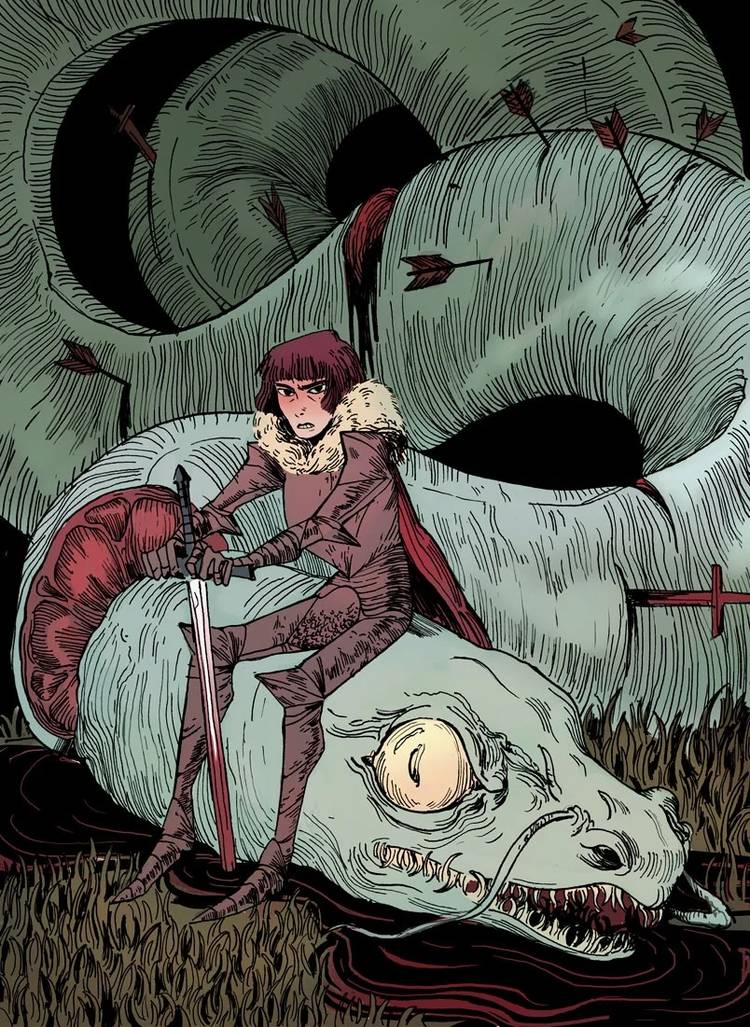
The book carries a palpable sense of righteous anger. It doesn’t shy away from the harsh realities of how men exert control over women’s bodies and lives. Was it a conscious choice to go “full-throttle” with that tone?
It’s deeply personal. Growing up sheltered and being home-schooled, I eventually entered the professional world—specifically Hollywood—only to find people judging me solely by my utility or appearance. For a long time, I was too naïve to realize my own needs mattered. This book is for anyone who has felt defined or limited by external perceptions. It’s about finding the strength to put yourself first on the “ladder of importance.”
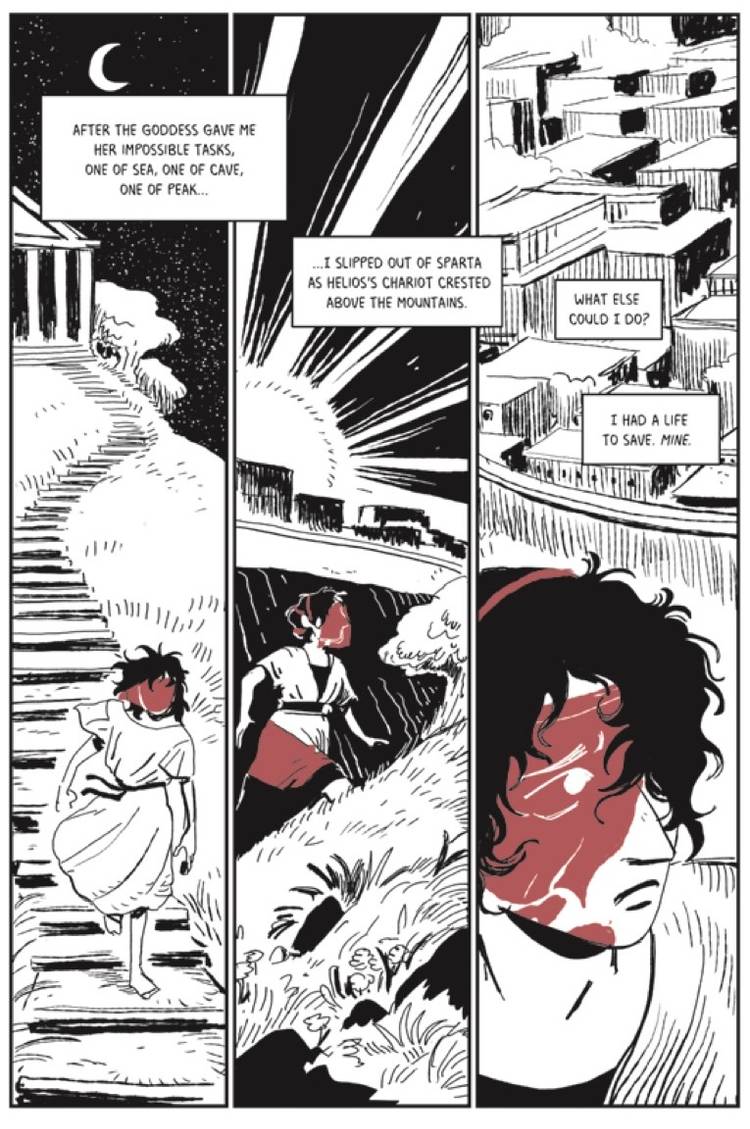 Art: Rowan MacColl/Gallery Books
Honestly, I wish it were even angrier. When you look at the current social landscape—the misogyny thriving in digital spaces like YouTube or Twitch—it’s clear that the “progress” we thought we made is fragile. We are still living in a world that often refuses to see people as human beings first. If this book makes people uncomfortable or reflects a sense of outrage, that’s fine. We shouldn’t have to “tone it down” while our realities are being ignored or subsumed.
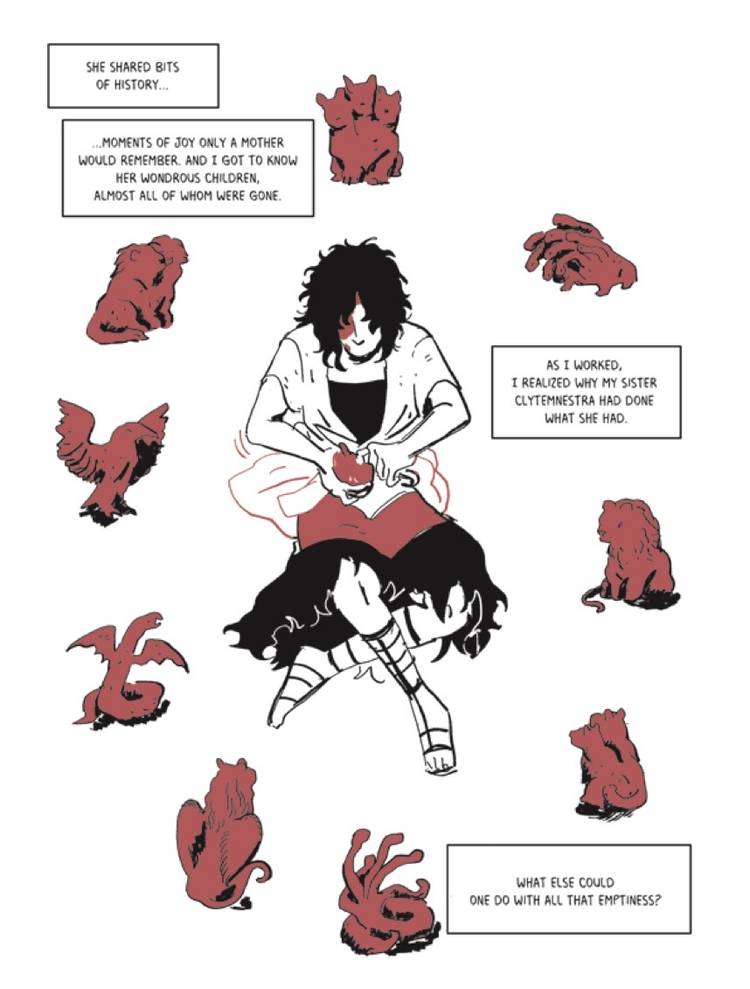 Art: Rowan MacColl/Gallery Books
Are you planning to dive back into the graphic novel world anytime soon?
I’ve definitely found a new sense of confidence in my ideas. I have several projects on my plate right now, but I’m no longer worried about whether an idea is “Hollywood-appropriate.” If a story needs to be told, I’ll find the right medium for it. My new philosophy is that just because a story isn’t “useful” to someone else’s bottom line doesn’t mean it isn’t vital. I’m going to keep treating my stories with that respect.
The Lost Daughter of Sparta is now available through all major book retailers.
Source: Polygon
Related articles
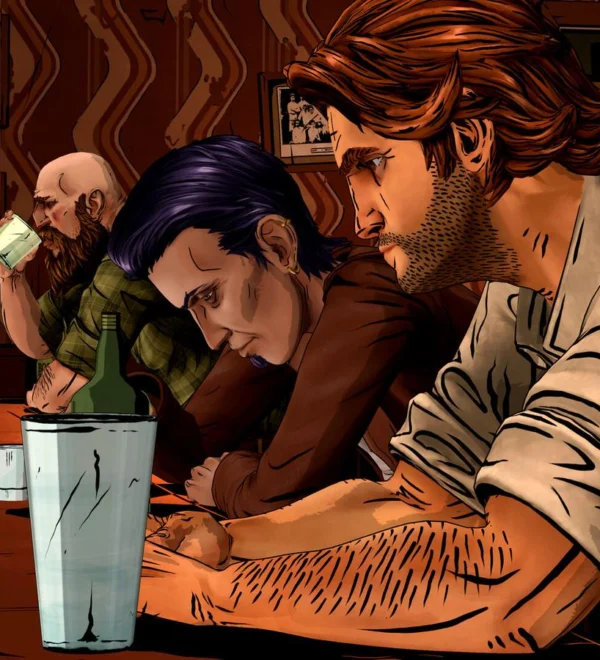 The Wolf Among Us to Get October Remaster With Cut Scenes and Noir Mode
 Halo Composer Marty O’Donnell Says Gamers Are Tired of Agenda in Games While Running for Congress in Nevada
 Hideo Kojima Visits Sony Headquarters Amid Rumors of Rift
 Blizzard Says Diablo V Is in Development
 Beloved 2022 Survival Adventure ‘Stranded Deep’ Is Free This Weekend
 Sony Closes PS5 Hacking Loopholes, Affecting Users on Older Firmware
 Remedy Reveals Control Resonant Sales Figures for First Three Weeks
 Stranger Than Heaven: Snoop Dogg Shows Protagonist Makoto How to Rap in New Story Trailer