Share via:
Tim Cain, the legendary co-creator of Fallout, suggests that when players vent about a lack of “realism” in games, they are usually craving internal consistency rather than real-world accuracy.
If you’ve spent any time in online gaming communities, you’ve likely encountered the “realism” debate. It’s a common critique even for titles like Assassin’s Creed Shadows or God of War Ragnarok, where strictly mimicking reality was never the intended design goal. Cain argues that while players often use the term as a catch-all for various grievances, the heart of the issue is often a failure of the game world to follow its own rules.
“The issue I see is that developers will frequently dismiss a valid critique by saying, ‘Well, we aren’t aiming for realism,’ when the actual complaint is that the game’s lore isn’t self-consistent,” Cain explains. To him, realism is the attempt to mirror the actual world, while self-consistency is about “establishing a set of rules for your fictional universe and then refusing to break them.”
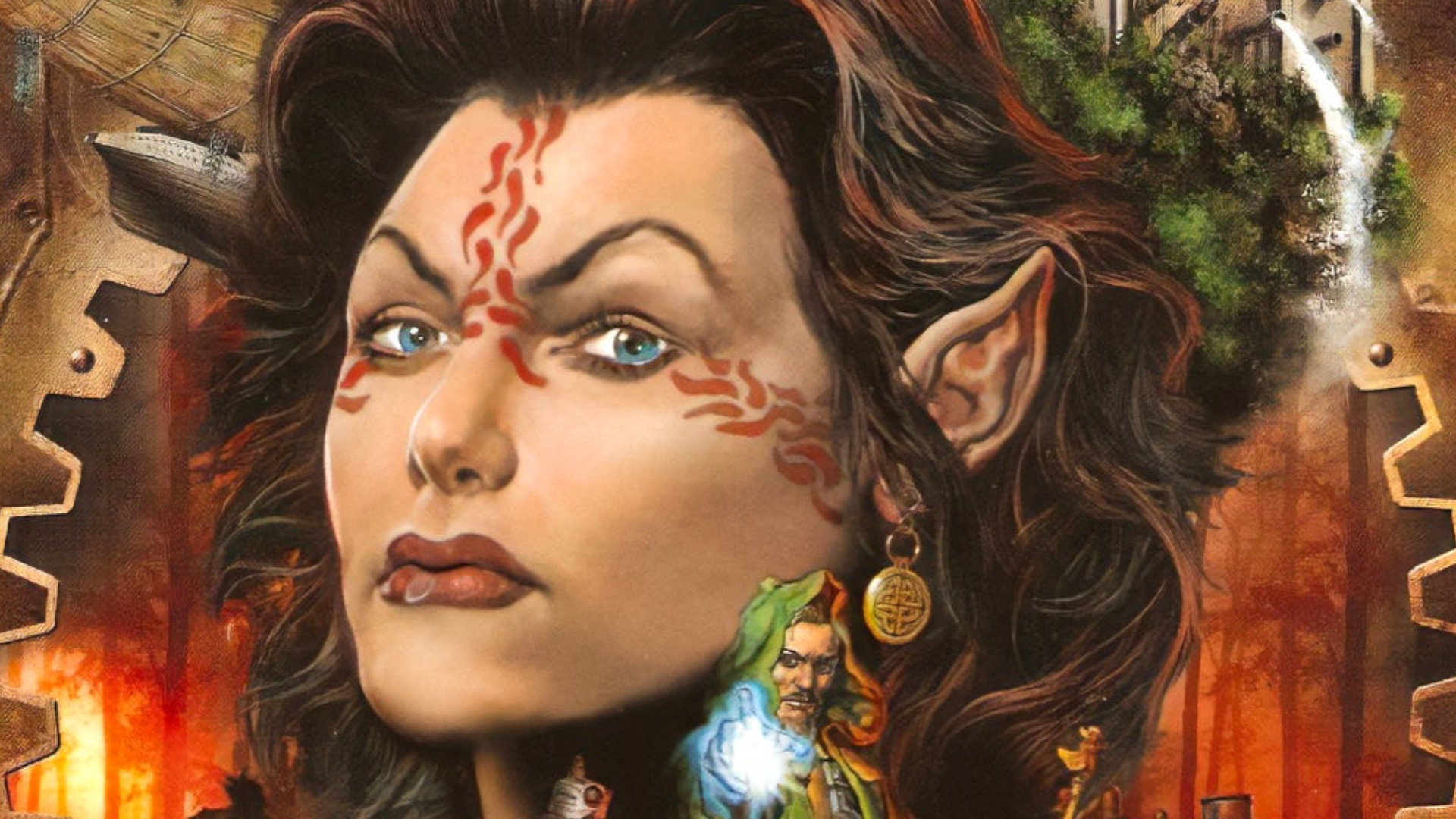
Cain points to his work on the classic RPG Arcanum: Of Steamworks and Magick Obscura as an example. Along with colleagues Leonard Boyarsky and Jason Anderson, he decided early on that magic and technology could not coexist peacefully. Magic was defined as the suppression of natural laws, whereas technology was the utilization of those same laws. This fundamental rule meant that magical and technological forces would actively weaken one another, creating a world that felt “real” because it was governed by a logical, albeit fictional, framework.
He warns that when developers allow lore to become inconsistent, they risk losing the player’s immersion. However, he makes a clear distinction regarding characters: NPCs are allowed to be inconsistent. “You can’t claim the lore is broken just because an NPC said something that wasn’t true,” Cain asserts. He explains that characters might lie to further their own agendas or simply be misinformed by hearsay. “The designer knows they’re lying. If the player takes every word as gospel, that’s part of the experience.”
Elsewhere, Tim Cain has discussed the value of “leaving some mystery” in world-building, suggesting that fully explaining every piece of lore can actually diminish a player’s desire for sequels.
Source: gamesradar.com