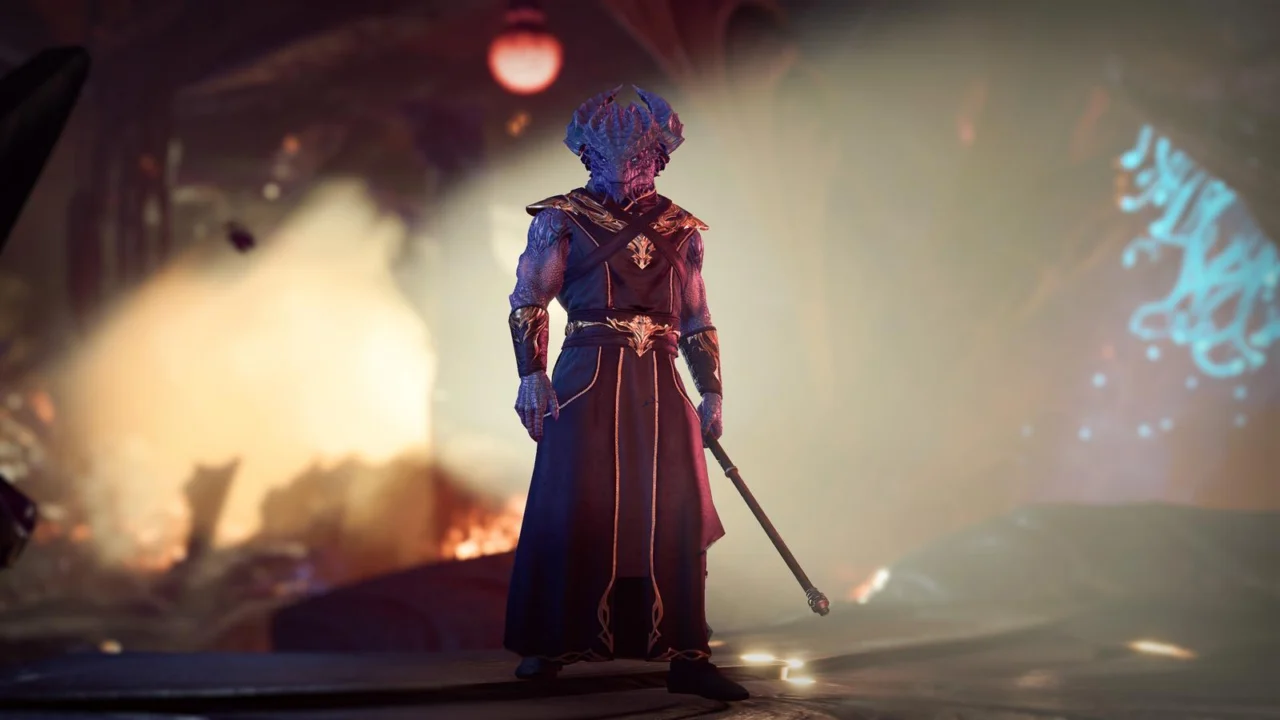
Elon Musk Postpones Grok AI Update Due to Baldur’s Gate 3 Factual Errors – Reports
Even Elon Musk’s proprietary artificial intelligence has effectively conceded to the creative depth of Larian Studios. According to reports from Business Insider, the launch of the latest Grok iteration was pushed back several days after Musk expressed dissatisfaction with the system’s failure to accurately navigate the complexities of Baldur’s Gate 3.
This represents a rare instance where a video game has directly influenced the strategic decisions of a major technology firm. The intricate, multi-layered design of Baldur’s Gate 3 proved so dense that it fundamentally perplexed the AI’s processing logic.
A recurring challenge for large language models is their tendency to replicate widespread misinformation rather than pinpointing objective truths. Within the context of such a massive RPG, this weakness was magnified: the sheer volume of patches and the thousands of variables governing questlines and romantic subplots left Grok in a state of digital confusion.
Musk, a well-known gaming enthusiast, reportedly refused to tolerate a chatbot that hallucinated details regarding character classes or the fate of fan-favorites like Astarion. To address these gaps, xAI has allegedly established a “war room” dedicated to training the AI on competitive titles like League of Legends, with the goal of achieving high-ranking proficiency.
Ultimately, the delay serves as a unique testament to Baldur’s Gate 3. If an algorithm trained on trillions of data points requires specialized remediation to grasp the nuances of Larian’s world, it is a clear sign that human creativity still maintains a significant lead over artificial intelligence.
Source: iXBT.games
Related articles
 PS5 Sales Jump Sharply in US as Xbox Hits New Record Low
 EA Could Sell Mass Effect After BioWare Closure, Former Producer Says
 6 Best Upcoming Steam Games Worth Adding to Your Wishlist
 Square Enix Releases Trailer for Retro RPG Final Fantasy Resonance
 Co-Op Horror Game Escape From Playtime Enters Early Access With New Threats
 Stranger Than Heaven Will Drop Yakuza Series’ Signature Humor for a Realistic Story
 Riders Republic Is Coming to Nintendo Switch 2, and Ubisoft Will Add an Offline Mode
 Avatar: Seven Havens Episode 9 Ending Reveals New Details About the Other Havens