
D&D’s New Show Just Fixed the Worst Part of Actual Plays
The third installment of Dungeon Masters, the official Dungeons & Dragons actual play series, has arrived, and the show is rapidly cultivating a passionate following. While the landscape of actual play content is crowded—often dominated by long-running titans like Critical Role—Dungeon Masters is carving out a distinct identity. It manages to stand apart through a deceptively simple yet highly effective strategy: its concise, tightly paced episode structure.
[Editor’s note: The following contains spoilers for the third episode of Dungeon Masters.]In the two-part series premiere, our ragtag adventuring party—consisting of Professor Crem de la Crem (Neal Newbon), his wife Zora Thornska (Devora Wilde), and sellswords Eloin Emberleaf (Christian Navarro) and Wesley (Mayanna Berrin)—was abruptly thrust into the Realm of Dread, specifically the Ravenloft domain of Sithicus. Dungeon Master Jasmine Bhullar immediately established the plane’s suffocating atmosphere through a grim encounter with a doomed physician and a nightmarish undead creature. However, the true peril only intensified in the third episode.
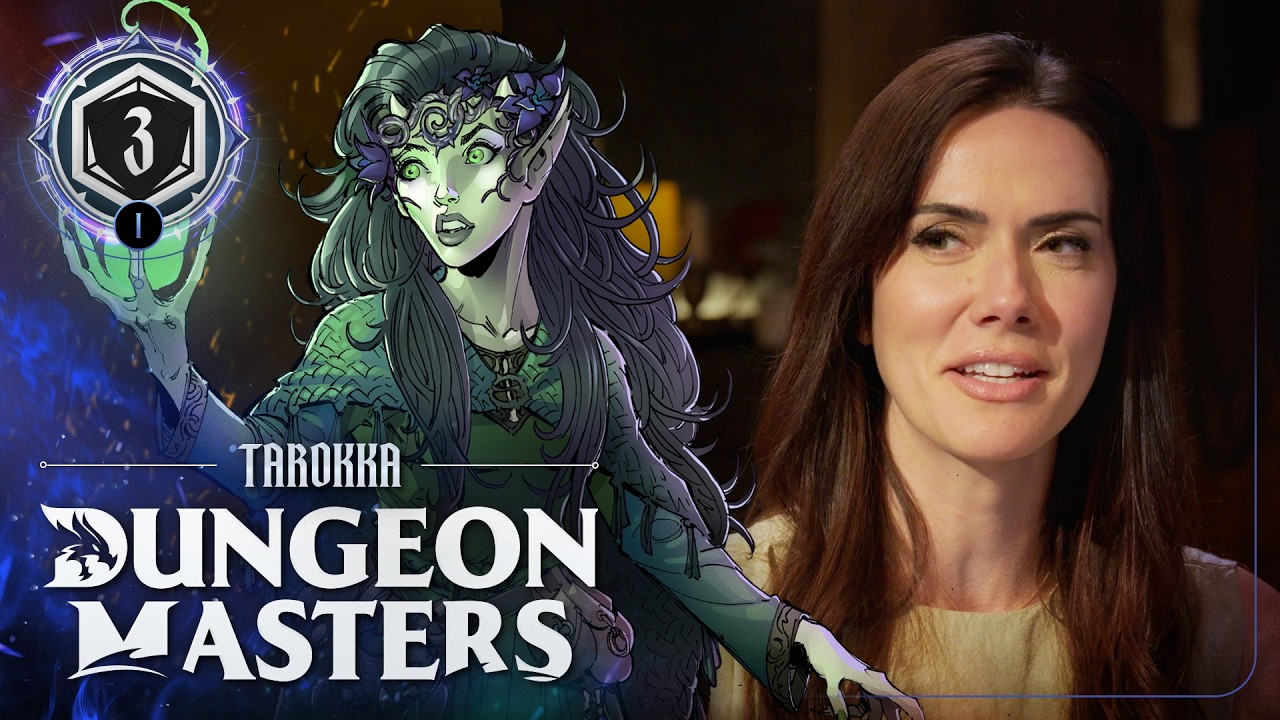
Upon venturing into Nedragaard Keep, the party found themselves confronting the Darklord of Sithicus, Lord Soth—the iconic death knight hailing from the Dragonlance setting. As veterans of Curse of Strahd know all too well, attempting to challenge a Dreadlord without adequate preparation is a fatal blunder. Soth swiftly dismantled the party, sparing them only through the intervention of Inza, his rival and a formidable power in her own right. The episode culminated in a haunting tarokka reading, which served as both a glimpse into the characters’ foreboding futures and a catalyst for unearthing secrets they had desperately sought to bury.
In D&D, a Tarokka Deck functions similarly to a tarot deck. They are a staple of Curse of Strahd and feature prominently in the wider Ravenloft setting.
Packing this level of narrative density into a one-hour and twenty-minute window might strike die-hard fans of traditional actual play as unconventional. Audiences of shows like Critical Role are accustomed to massive, four-hour-plus marathons. While epic runtimes have their appeal, they can often serve as a significant barrier to entry for newcomers and a daunting commitment for long-term fans struggling to keep pace. Dungeon Masters, by contrast, is charting a refreshing new course.
This truncated runtime demands intense narrative focus. While it might feel jarring for viewers who enjoy watching parties linger, chatting with every merchant they cross, this format ensures that the story maintains constant forward momentum. In just three episodes, the series has adeptly introduced its cast, established a clear primary antagonist, mapped out immediate goals, and expertly seeded the kind of dark, complex backstories that hook viewers. Moreover, the series has struck a masterful balance in fostering friction between party members, creating compelling drama without ever sacrificing the pacing or stifling the action.

The fluidity of the narrative suggests significant forethought, and Bhullar and her cast deserve immense credit for making such complex storytelling look effortless. Integrating character history into an active plot is notoriously difficult, yet this team navigates it with precision. I am already deeply invested; I find myself desperate to know if Zora will truly sever ties with Professor Crem, whether she will rekindle her relationship with Eloin, and what fate awaits Crem’s resurrected “daughter,” Lavindria.
Judging by the vibrant discussion in the YouTube comments, this punchy, focused approach is resonating strongly with the audience. It provides a welcome alternative to the current standard of long-form actual play, and as the cast continues to refine their chemistry, I suspect the show’s momentum will only continue to accelerate.
Source: Polygon
Related articles
 Resident Evil Requiem Producer Explains Inclusion of Grace Ashcroft
 Ace Combat 8 Developers Confirm Success With New Trailer Despite PC Issues
 Tekken 8 Character Reina Coming to Fatal Fury: City of the Wolves in December
 Paul Verhoeven Joins New RoboCop Series as Producer
 Developers Find Method to Run PS5 Games on PC Without Emulation
 Crunchyroll Reveals Title and Plot Details for The Apothecary Diaries Anime Film
 Ghost of Tsushima Legends Anime Delayed to 2028
 Charlie Cox Addresses Future as Daredevil After Series Finale