Critical Role Campaign 4: A Guide to Its Complex Lore

Critical Role Campaign 4 opens in Aramán — a setting deliberately distinct from Exandria. The world here still reels from the Shapers’ War: the gods were slain only seventy years ago, arcane energies behave erratically, and people are forced to govern and decide fate without divine oversight. After the premiere, it’s clear that storyteller Brennan Lee Mulligan and the cast have crafted something dense and deliberately mysterious.
Rather than easing viewers in, the premiere drops us into a complex moment full of factions, history, and unanswered stakes. That narrative density means some events and characters are referenced but not immediately explained — an intentional choice to cultivate intrigue, though it can leave new viewers disoriented.
Below is a compact guide to what we can reliably glean so far about Aramán’s geography, plot, characters, and the power blocs shaping Campaign 4.
The World of Campaign 4
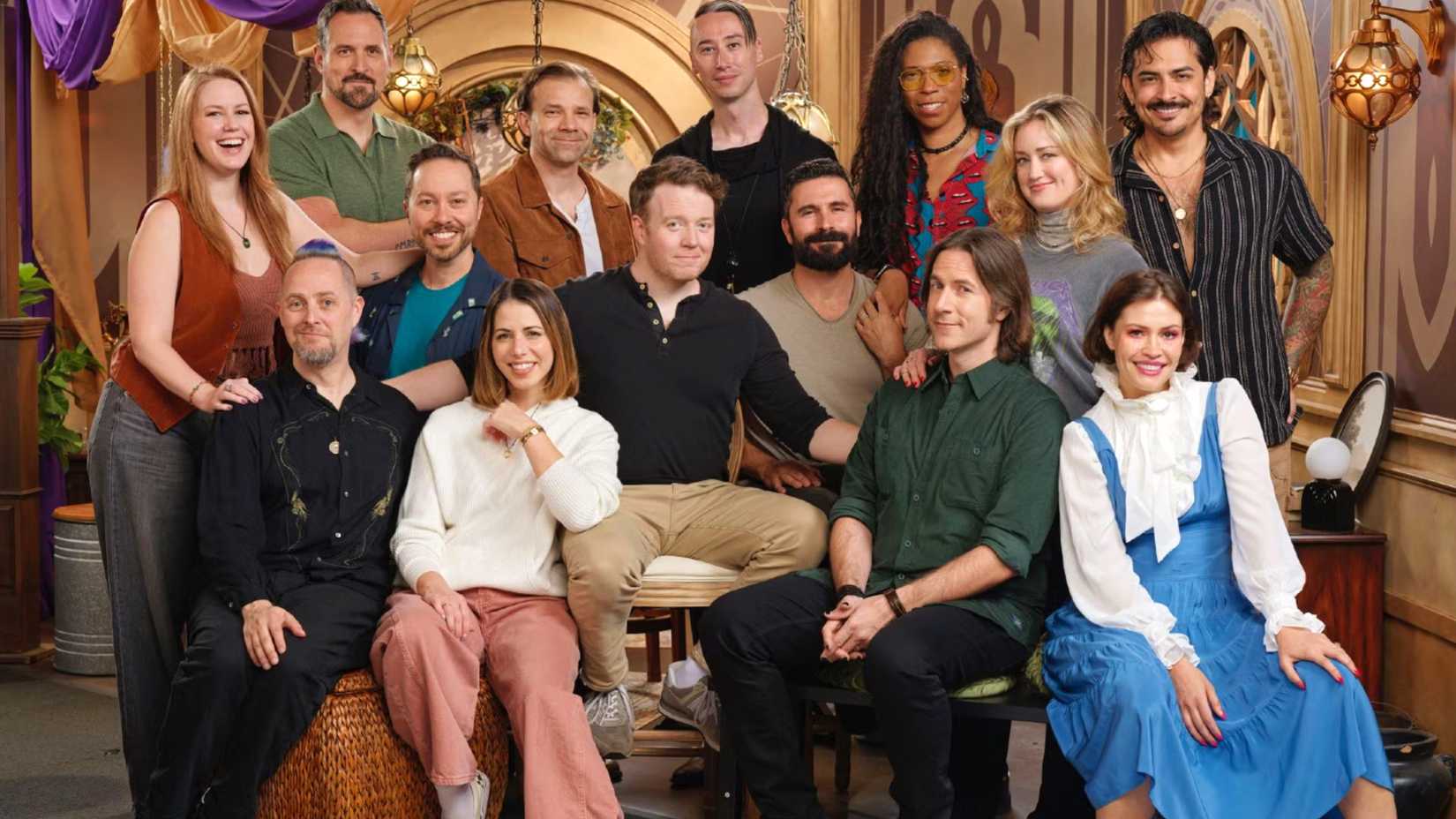 Image: Critical Role
Where Exandria is shaped by living deities, Aramán is defined by their absence. Seven creators — the Shapers — were defeated in the Shapers’ War roughly seventy years ago, and the world has been recovering from that rupture ever since. Without divine order, magic has taken on a volatile, unpredictable quality, and questions about death and the afterlife hang heavy in the culture.
The first episode centers on the city of Dol‑Makjar, situated on the eastern flank of the region known as Kahad. Dol‑Makjar is a mountain bastion that venerates the revolutionaries of the Shapers’ War; sculptures of those figures are built into the city’s walls, as if holding the stones themselves in tension.
Within Dol‑Makjar, the Rookery is the city’s artistic quarter — a neighborhood of bards, performers, and craftsmen. Much of the episode takes place here, including scenes at Halandil’s theater, the Dithyramb of Azgra. Other locales mentioned include the city of Dol‑Rungja deeper in Kahad; Tir Cruthu, the lost realm of the fae whose severed connection has begun to age those once tied to it (notably Thimble); and the distant Mournvale, home to Vaelus and the Sisters of Sylandri, and suggestive of elven heritage and ritual practice.
The Story of Campaign 4
 Image: Mike Schmidt/Critical Role
The plot opens in Dol‑Makjar with a public execution: Thjazi Fang is condemned as “a traitor, arcanist, murderer, and open sedition.” Once counted among the city’s war heroes, Thjazi stands accused by the Chamber of Lords–Advisory to the Revolutionary Council. Despite pleas and a small conspiracy to free him, Thjazi’s execution proceeds and becomes the catalytic event for the campaign.
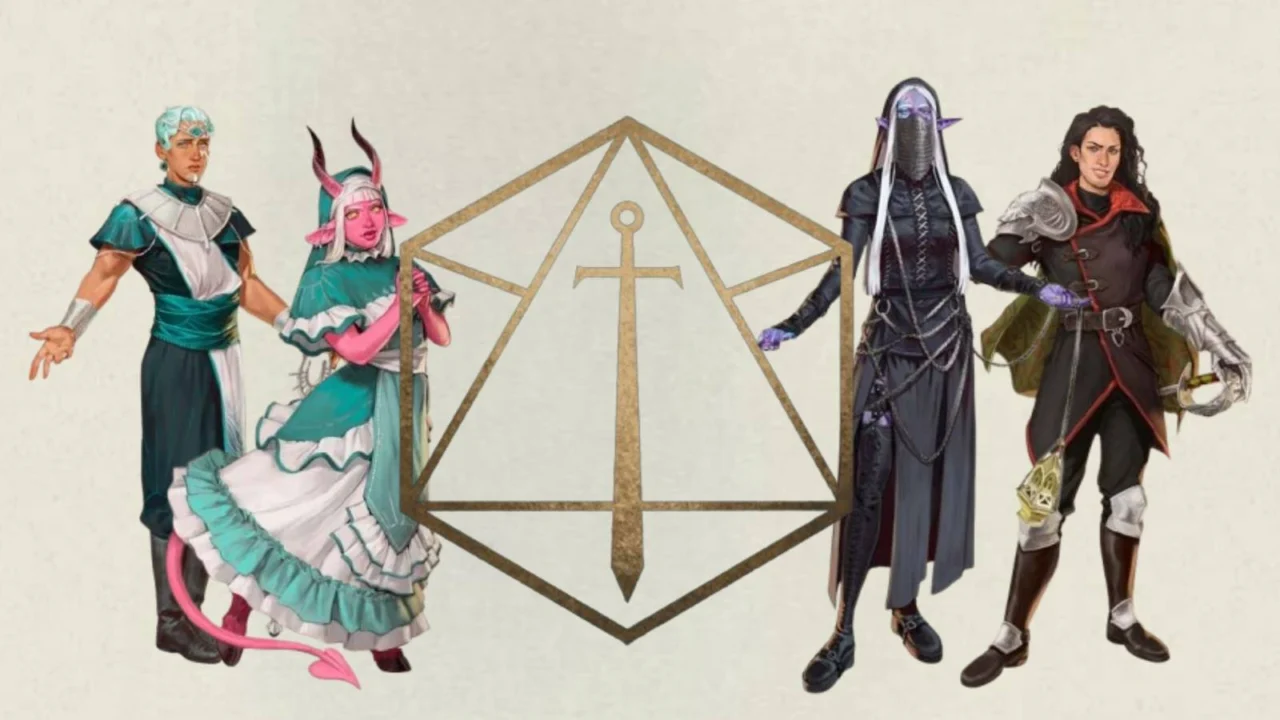
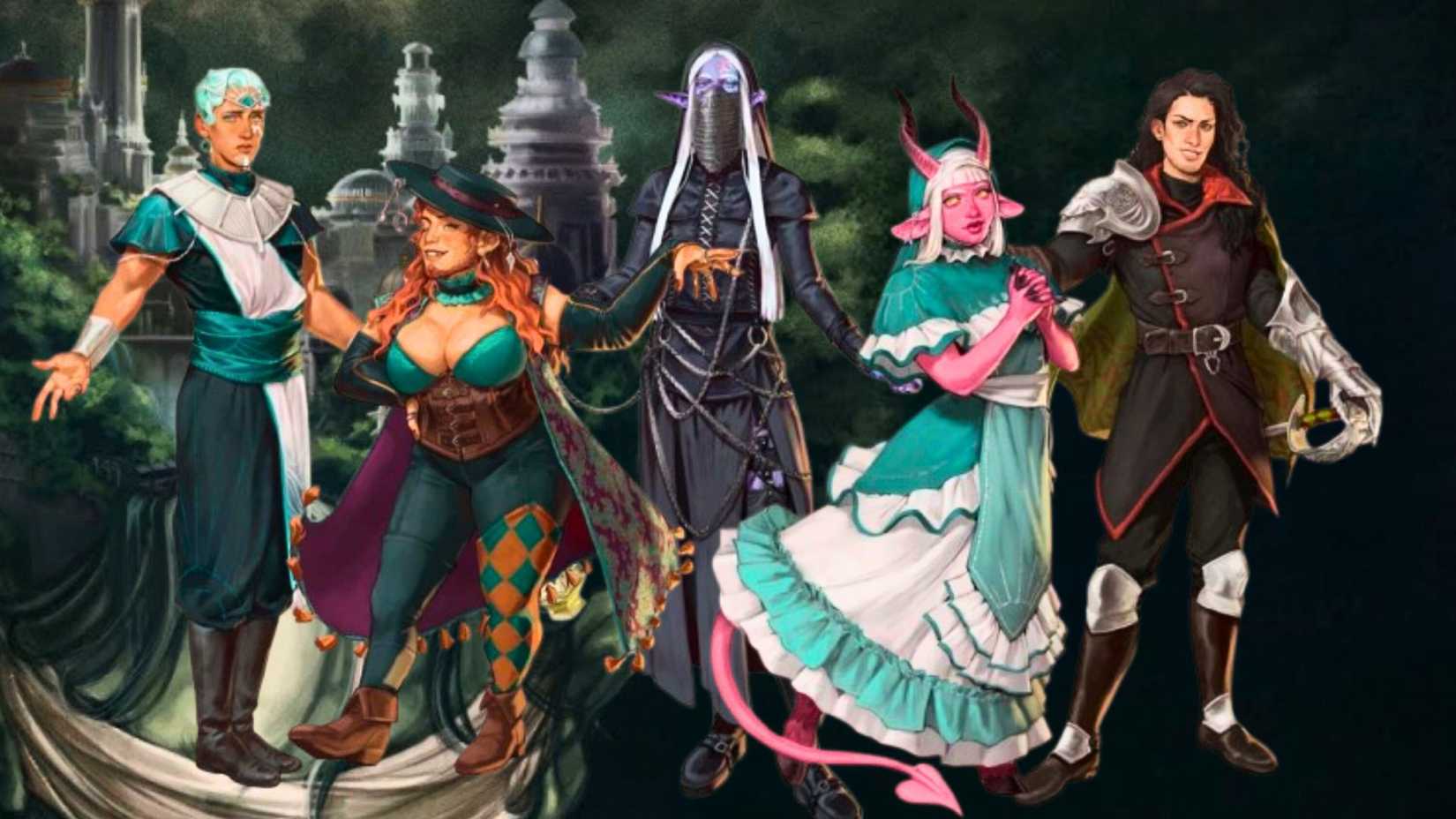
Thjazi’s death is witnessed by a group of individuals tethered to him in various ways — the thirteen figures who form the core ensemble for this narrative. They include Azune Nayar (Luis Carazo), Occtis Tachonis (Alexander Ward), Thaisha Lloy (Aabria Iyengar), Halandil Fang (Liam O’Brien), Thimble (Laura Bailey), Murray Mag’nesson (Marisha Ray), Wicander Halovar (Sam Riegel), Teor Pridesire (Travis Willingham), Tyranny (Whitney Moore), Sir Julien Davinos (Matthew Mercer), Bolaire Lothaire (Taliesin Jaffe), Kattigan Vale (Robbie Daymond), and Vaelus (Ashley Johnson). A handful attempt to intervene on Thjazi’s behalf, but their plans falter.
Underlying these events is the recent history of Aramán: after the gods were slain in the Shapers’ War, society had to rebuild. Magic, freed from divine stewardship, behaves unpredictably; institutions and power structures scrambled to fill spiritual and social vacuums. Questions like where souls go when they die — once the purview of gods — remain unsettled and politically fraught.
 Image: Critical Role
References to earlier conflicts pepper the episode: the War of Axe and Vine is invoked without deep explanation, and Thjazi is praised as a veteran of that conflict. Two years after that war, he led the Falconer’s Rebellion against the Sundered Houses — a revolt that apparently failed, leaving the Sundered Houses stronger and Thjazi branded an outlaw. In this era, arcane practice is tightly policed; “arcanism” is treated as a criminal offense and theaters and guilds operate under strict supervision to prevent magical excess.
The People of Campaign 4
 Graphic: Polygon I Images: Critical Role
Beyond the main ensemble, the premiere introduces several consequential NPCs who shape the immediate drama.
Thjazi Fang is the emotional and narrative fulcrum of the episode: a former war hero turned rebel, husband to Aranessa Royce, and a man whose past is revealed in fragments. He led the Falconer’s Rebellion after his wartime exploits, and while we learn some details, much of his intervening life remains opaque and likely to be unpacked over future episodes.
Halandil Fang’s children — Shadia, Hero, and Alogar — play supporting roles in the social tapestry. Thaisha Lloy is mother to Alogar and Shadia; Hero is Halandil’s daughter from a previous relationship. Sir Julien Davinos serves as a mentor to Alogar and is a loyal vassal of House Royce.
Loza Blade, an orcish commander who once fought with Thjazi, now leads the mercenary group the Torn Banner. Loza’s presence confirms the rebel-network connections that undergird Thjazi’s history.
Aranessa Royce, Thjazi’s widow and a noble of House Royce, provides a potent personal counterpoint to the political narrative: her grief and outrage complicate the Houses’ official posture. And looming over the judicial outcome is the Photarch of the Candescent Creed — Wicander Halovar’s grandmother — whose influence and final say in Thjazi’s fate suggest deep political and religious stakes tied to House Halovar.
Factions in Campaign 4
 Graphic: Polygon; Source images: Critical Role; Brennan Lee Mulligan
The premiere makes clear that Dol‑Makjar’s power structure is dominated by the Sundered Houses, which collectively form the Revolutionary Council. These houses — named in the episode as Tachonis, Halovar, Royce, Einfasen, Cormoray, and March — exert political, economic, and social control inside the city. Halovar and Tachonis appear particularly influential.
House Halovar, notably, has assumed stewardship of a new doctrinal movement called the Candescent Creed. The Creed uses iconography of a radiant point above a pillar — a symbolic sun or candle — and aims to offer spiritual structure in a world missing gods. Its leadership under the Photarch (Wicander’s grandmother) suggests the Creed is both a religious and political vehicle; the order even keeps aspirants, including two demonic‑blooded converts named Tyranny and Enmity, presumably to showcase possible redemption under the Creed’s teachings.
Not all Houses are equal. House Royce, led by Aranessa, chafes at Halovar’s decisions and appears to be at odds with certain actions taken by Halovar’s agents. Some houses maintain vassals: House Davinos is loyal to Royce (Sir Julien Davinos being a notable figure), while House Lloy, Thaisha’s family, seems smaller and smith‑oriented.
The city’s security apparatus includes the Revolutionary Guard, headquartered at The Brethren Hall, and a specialized office for arcane matters — the Arcane Marshal — which enforces restrictions on magic. That enforcement explains why arcanists are treated with suspicion and why many performers and guilds operate under strict safeguards.
Other groups include the mercenary Torn Banner, led by Loza Blade and tied into Thjazi’s wartime past; the Crow Keepers, an ancient thieves’ guild that hoards the Stone of Nightsong; and the Sisters of Sylandri, the reclusive custodians of that same Stone based in the distant Mournvale. The Sisters worship the lost Shaper goddess Sylandri and are determined to recover their relic. Finally, Dol‑Makjar’s community of arcanists and occult practitioners acts as an informal network rather than a single organized faction, but their presence — and the city’s regulation of magic — is an important force in local life.
That summarizes the elements introduced in Campaign 4’s opening installment. The world is deliberately fragmentary: history, alliances, and motives are hinted at rather than fully revealed. With a few more episodes in the overture, we can expect many of these threads — the Shapers’ legacy, Thjazi’s true story, the Stones, and the houses’ rivalries — to be explored further.
Source: Polygon
Related articles
 Dance drama “The Art of Falling” to premiere on Okko in September
 Lilly Wachowski disavows involvement in the new “Matrix” film
 Kane Parsons to Return to The Backrooms
 First Emmy Award Winners Announced
 Robert Pattinson calls ‘The Batman’ sequel ‘radical’
 A24 to release documentary on Elizabeth Holmes
 Nolan’s “Oppenheimer” Surpasses “Spider-Man” at the Box Office
 Natalie Portman Becomes a Mother for the Third Time