
Creating Horizon’s Tribes Proved Costly and Labor-Intensive, Artist Says
Designing the vivid, exotic tribes in Horizon—rooted in extensive anthropological research—proved to be one of the franchise’s most expensive and prolonged development stages. That detailed cultural attention enriches the game’s visual language and deepens immersion, highlighting the fusion of tribal tradition and science fiction.
Newly released documents illuminate Horizon’s production process and reveal the intricate, costly elements of its development. The game includes seven distinct tribes.
According to Guerrilla Games’ art director Jan-Bart van Beek, crafting the tribes was among the most demanding aspects of development. Each tribe was conceived with painstaking care, requiring significant time and financial resources—a commitment evident in the visual choices throughout the series.
Van Beek wrote in a document submitted for the Sony v. Tencent court case that anthropologists were engaged to help the team understand how real cultures form. For each tribe the team produced style guides of between 60 and 200 pages, outlining physical characteristics, clothing, accessories, and housing.
Every tribe was given a unique visual identity that reflects its material culture and biome. Color schemes were selected to emphasize both the biome’s character and the cultural distinctiveness of its people. For example, the Nora wear garments made from animal hides, leather, linen and metal plates, embellished with feathers, embroidery, wooden beads, metal fittings, and repurposed cables.
All of this work required extensive hours of research before the visual and narrative worldbuilding for Horizon could begin.
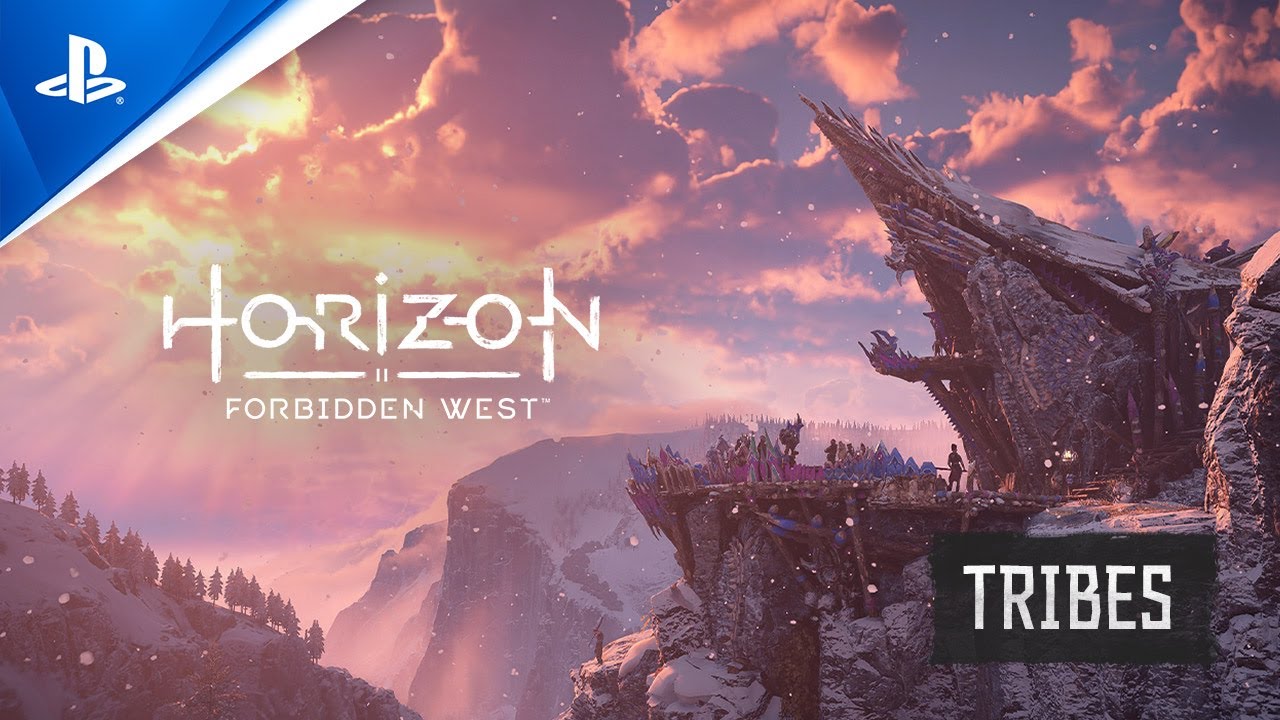
Source: iXBT.games
Related articles
 Ace Combat 8 Hardest Difficulty Will Require Split-Second Decisions
 The Rogue Prince of Persia Receives New Content One Year After Release
 Marvel Rivals to Penalize Match Leavers and Saboteurs
 Tabletop Game Warhammer Necromunda Roleplay Announced
 David Production Releases New Trailer for Firefly Wedding Anime
 Trailer Released for Season 2 of The Dark Demon
 Warhammer Quest: Darkwater Board Game Expansion Agents of the Order of Azyr Announced
 New Still Shows Emma Mackey as Jadis in Narnia