
Country Joe and the Fish Frontman Country Joe McDonald Dies at 84

Country Joe McDonald, the iconic voice of 1960s activism and the creative force behind one of the era’s most poignant anti-war anthems, has passed away at the age of 84. His music served as a definitive soundtrack for the counterculture movement, capturing the defiance and frustration of a generation.
His wife, Kathy, confirmed that McDonald died at their Berkeley, California, residence following a battle with complications from Parkinson’s disease. The news of his passing was made public on Monday, March 9.
Born Joseph Allen McDonald on New Year’s Day, 1942, in Washington, D.C., he eventually became a central figure in the San Francisco psychedelic rock explosion. As the leader of Country Joe and the Fish, he helped shape the sound of the mid-60s from the heart of the Berkeley scene. The band’s signature sound—a fusion of sharp political commentary and trippy psychedelic rhythms—resonated deeply with the burgeoning anti-war movement.
McDonald’s most enduring composition, “I-Feel-Like-I’m-Fixin’-to-Die Rag,” evolved into a definitive rallying cry for Vietnam-era dissent. The song’s cultural impact reached its zenith during McDonald’s legendary solo set at the 1969 Woodstock festival. It was there that he led a crowd of hundreds of thousands through the “Fish Cheer,” a provocative call-and-response that served as an explosive prelude to his anti-war masterpiece.
“The important thing about the Fixin’ to Die Rag was that it had a new point of view that did not blame soldiers for war,” McDonald remarked in a 2016 interview with Street Spirit. “It just blamed the politicians, and it blamed the manufacturers of weapons. It didn’t blame the soldiers.”
He noted that the song allowed those in the military to participate in the sentiment without feeling targeted, a sharp contrast to many other peace songs of the time that cast blame on the men on the front lines.
The band’s 1967 debut, Electric Music for the Mind and Body, remains a cornerstone of the San Francisco sound, placing them alongside legendary contemporaries like the Grateful Dead and Jefferson Airplane. While they may not have achieved the same level of mainstream commercial dominance as some of their peers, two of the band’s albums broke into the top 40 of the Billboard 200, cementing their status in the rock landscape.
Interestingly, before becoming a voice for peace, McDonald served in the U.S. Navy from 1959 to 1962. His move to the Bay Area in 1965 sparked a lifelong commitment to social change. Following the dissolution of the Fish in the 1970s, McDonald transitioned into a prolific solo career, releasing dozens of albums that explored folk, rock, and political themes. His 1986 project, Vietnam Experience, served as a poignant revisit to the conflict that defined his early work.
McDonald’s legacy is inextricably linked to the spirit of Woodstock and the power of protest music. He was a pioneer who used his platform to challenge political authority and provide a melodic voice for a generation navigating a world of radical cultural upheaval and war.
Related articles
 Taylor Swift Wears Pale Blue Gown to 2026 Academy Museum Gala
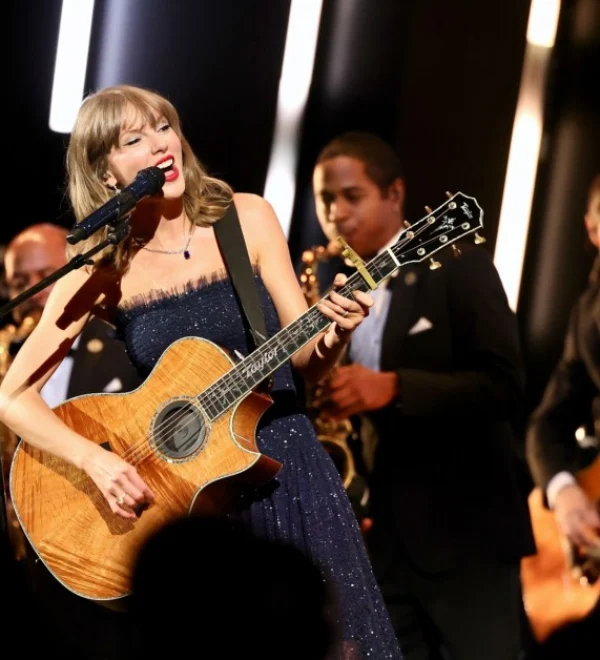 Taylor Swift Performs “The Fate of Ophelia” Live for First Time at 2026 Academy Museum Gala
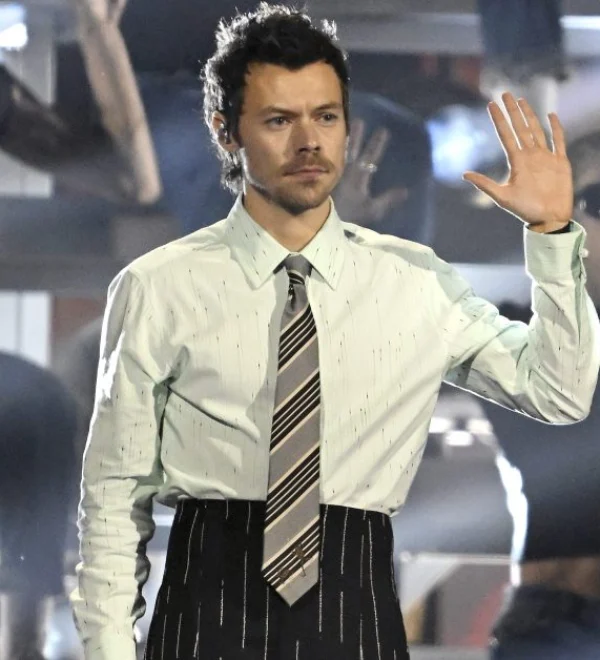 Harry Styles Pays Tribute to Liam Payne With Unreleased Song on Anniversary of Payne’s Death
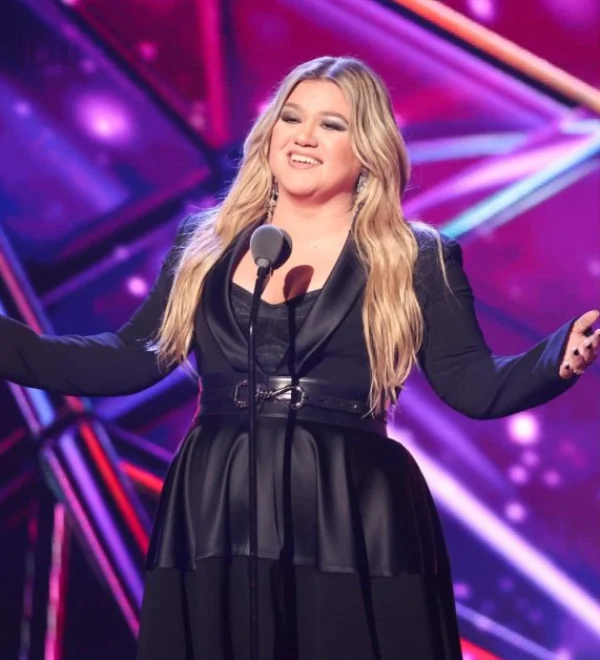 Kelly Clarkson Coincidentally Briefly Had Some Bird-Themed Ornaments in Her Holiday Collection
 Tate McRae, Olivia Rodrigo and Chappell Roan’s Remix Among New Music Releases in Reader Poll on Favorite This Week
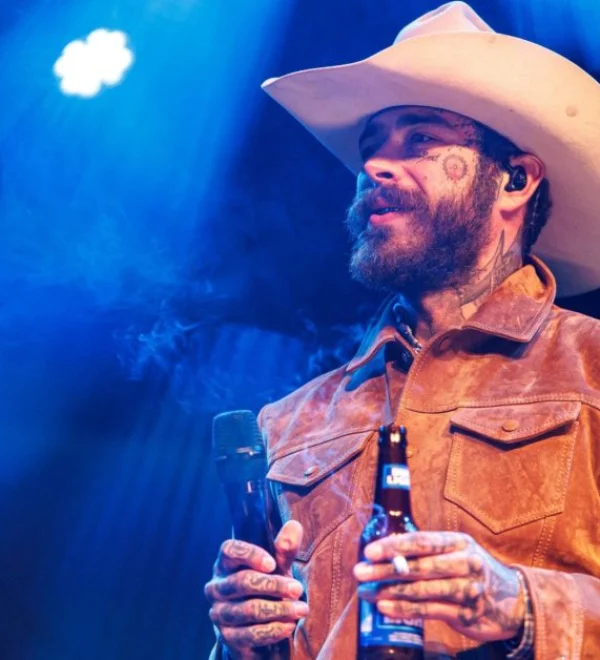 Post Malone Says He Has a Large Number of Songs Coming, Apologizes for Taking So Long
 Britney Spears Calls Janet Jackson Her Pop “God,” Says “She’s Not Trying to Be Sexy … She Just Is”
 Olivia Rodrigo feat. Chappell Roan, Tate McRae, Zach Bryan and Angèle feature in New Music Friday Guide