
Beyond Tradition: Forging the Future of JRPGs
During a keynote at the G-Star 2025 conference in South Korea, Katsura Hashino—the creative force behind Metaphor: ReFantazio and the modern Persona series—articulated a transformative vision for the future of Japanese RPGs. Hashino suggests the genre is standing on the precipice of a structural evolution he identifies as “JRPG 3.0.” In his estimation, the foundational classics represent version 1.0, while the industry is currently navigating the 2.0 era.
While analyzing cultural shifts through a lens of linear progress can be reductive, Hashino’s perspective is incisive. For decades, the core design principles of the JRPG remained remarkably static. However, the last five years have signaled a profound aesthetic and mechanical metamorphosis. While the final form of “JRPG 3.0” is still taking shape, the most significant tremors are being felt in the genre’s most contested element: combat. Specifically, there is a clear movement toward deconstructing the rigid boundaries of traditional turn-based systems.
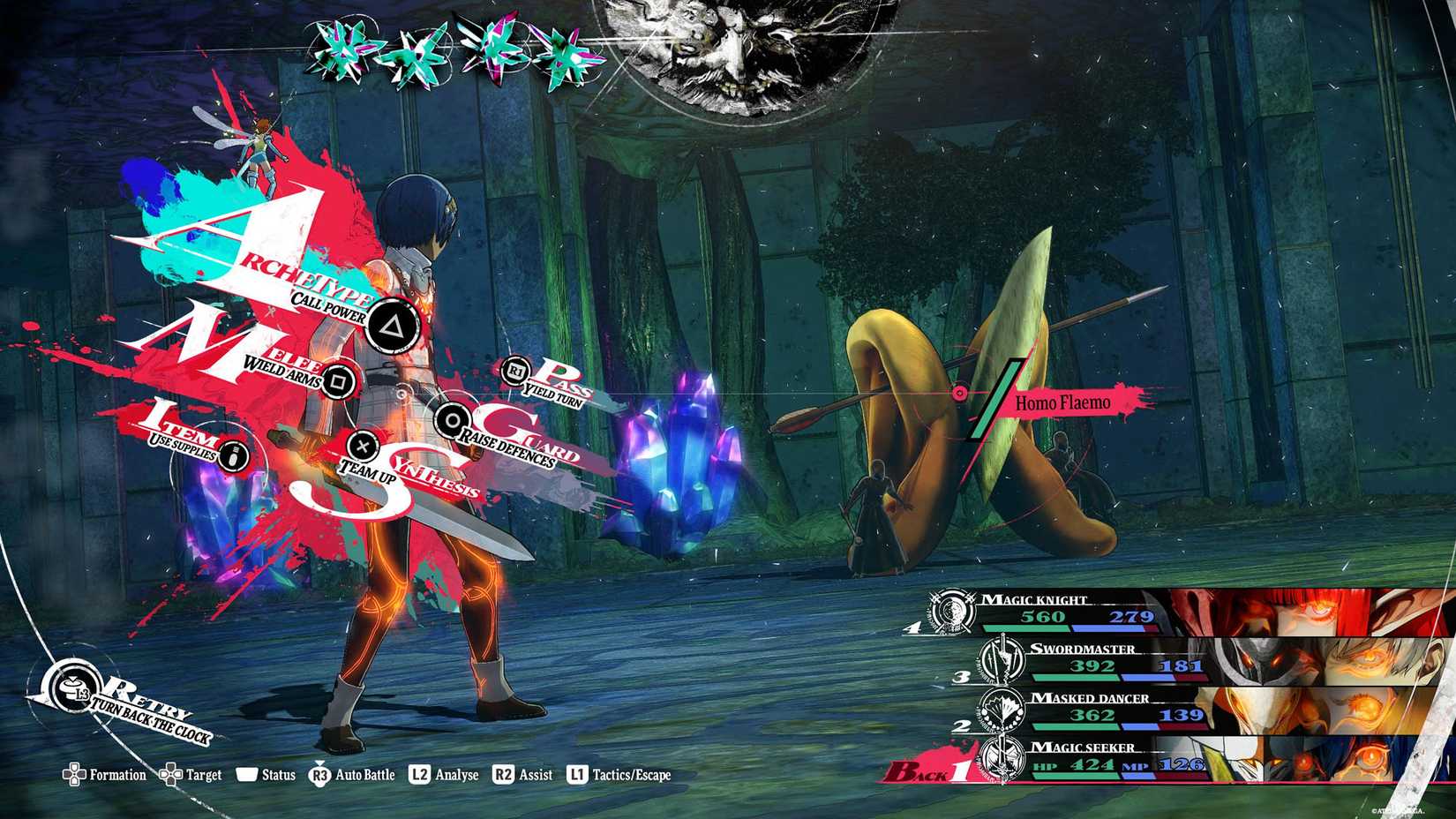
The 2024 debut of Metaphor: ReFantazio served as more than just a new intellectual property for Studio Zero and Atlus; it acted as a pivot point for battle design. Unlike the Persona series—where entries from Persona 3 to Persona 5 Royal adhered strictly to turn-based mechanics—Metaphor introduced a more fluid philosophy.
While the game retains classic elements like social progression, it pioneers a hybrid combat architecture. Players engage in real-time “Fast Battle” on the field, allowing them to dispatch or stun lesser enemies using archetype-specific combos and evasive maneuvers. This real-time layer serves as a gateway; at any moment, players can transition into “Squad Command,” the traditional turn-based mode where complex strategies and character synergies are unleashed. This system ensures that minor skirmishes remain fast-paced, reserving the depth of turn-based tactics for when they are truly needed.
This trend was preceded by Nihon Falcom’s The Legend of Heroes: Trails Through Daybreak. Before this 11th mainline entry, the Trails series had spent 17 years refining a purely turn-based framework. Daybreak shattered that tradition with its own seamless hybrid system. This shift allows for instantaneous toggling between real-time and command-based modes, a mechanic deeply integrated into the game’s “Quartz” customization system. By stunning foes in real-time, players gain a tactical advantage when initiating the turn-based phase—a design choice that has since become a staple in subsequent Trails titles and remakes.

A vital component of this hybrid design is narrative intentionality. In both Metaphor and Daybreak, the freedom to switch modes is often restricted during pivotal story moments. While common enemies can be cleared quickly in real-time, significant boss encounters demand the turn-based format.
For decades, JRPGs struggled to distinguish mundane grinding from epic confrontations through gameplay alone, often relying on cutscenes to do the heavy lifting. By mandating turn-based combat for major battles, these games create a mechanical “crescendo.” The real-time mode handles the “white noise” of exploration, while the turn-based mode forces the player to pause, deliberate, and engage with the narrative weight of the encounter. It turns the battle system itself into a storytelling tool, mirroring the gravity of the stakes through the pace of the action.
This design philosophy is manifesting in other innovative ways as well. Dragon Quest VII Reimagined allows players to bypass weaker enemies with a single overworld strike once their level is sufficiently high. Similarly, Monster Hunter Stories 3: Twisted Reflection introduces a “Quick Finish” mechanic, letting players instantly resolve battles against low-level monsters they have already mastered, respecting the player’s time without sacrificing the core RPG loop.

The frequent criticism that JRPGs are “too slow” or “excessively grindy” isn’t being solved by abandoning turn-based combat, but by making it more meaningful. The future of the genre lies in curation—ensuring that players spend their time on impactful decisions rather than repetitive tasks. By delegating routine fights to faster systems, developers can focus the player’s attention on the grand, strategic symphonies that define the genre’s best moments.
Whether this “JRPG 3.0” era will be defined by established giants or newcomers like Clair Obscur: Expedition 33—which recently stunned the industry with its own reactive turn-based system—remains to be seen. What is certain is that the genre is evolving, moving away from rigid tradition and toward a more dynamic, narrative-driven future.
Source: Polygon
Related articles
 Battlefield 6 Developers Respond to Memes About Paid “AI Slop” Skins and Explain Design Choices
 SPINE Gets New Trailer Focused on Main Character Customization
 Unofficial Android Port of Call of Duty 4: Modern Warfare Reportedly Runs at 60 FPS in Gameplay Videos
 Cyberpunk 2077 Co-Op Mod in Development, Gameplay Trailer Released
 Toxic Arc Raiders Players Found a Way to Harass Others in PvE Mode
 First Look at Drova II Torn Lands, Sequel to the Pixel Art Gothic-Like RPG
 CDPR Didn’t Expect Such Big Interest in The Witcher 3 Remaster, Which Set a New Record
 9 Best Single-Player Zelda-Like Games Nobody Plays, Ranked