
Anime’s Global Dominance: A Potential Problem?

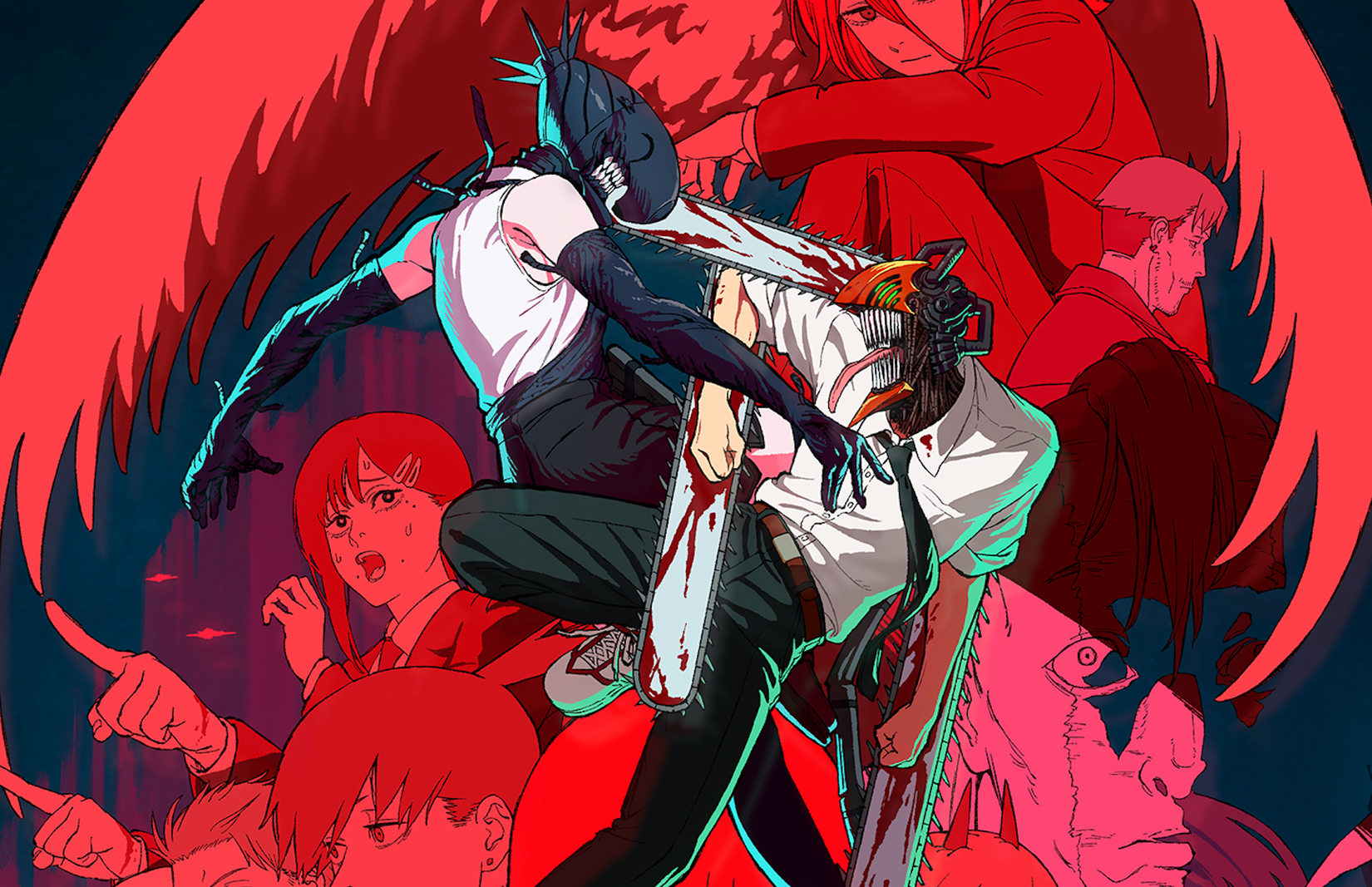
Japanese animation is currently navigating an unprecedented golden age, dominating cultural conversations both domestically and abroad. The current winter lineup is so densely packed with high-quality releases that keeping pace has become a challenge for even the most dedicated fans. Meanwhile, cinematic juggernauts like Demon Slayer: Infinity Castle and Chainsaw Man – The Movie: Reze Arc have proven their commercial might by outclassing traditional Hollywood tentpoles, including James Gunn’s Superman, at the global box office. This international explosion has tempted many producers to prioritize overseas markets as their primary revenue stream. However, several industry pioneers argue that tailoring content specifically for non-Japanese sensibilities is a strategic misstep—a sentiment I wholeheartedly share.
Tomohiko Ito, the renowned director of Sword Art Online, recently addressed this global surge while offering a word of caution. He noted that numerous projects have stumbled by over-prioritizing “global appeal.” In a translated interview with Automaton, Ito suggested that Japanese creators often possess a distorted view of Western tastes, leading to hollow attempts at pandering.
“I suspect that the Japanese perception of what will thrive globally often misses the mark for overseas viewers,” Ito remarked. He further highlighted that while Western markets—particularly North America—place a heavy emphasis on political correctness, Japan remains one of the few places producing content that defies these specific social constraints, such as stylized, high-action series featuring unconventional character designs that might be deemed “strange” elsewhere.
Ito is hardly alone in his skepticism. Hideaki Anno, the visionary behind Neon Genesis Evangelion, has consistently maintained that domestic resonance is the only true barometer for success. Anno’s philosophy is straightforward: a work must first be compelling and culturally relevant within Japan. If an international audience eventually finds merit in it, that is merely a welcome bonus. He posits that the medium’s inherent strength allows it to transcend borders without needing to dilute its core identity to suit foreign expectations.
Supporting this “Japan-first” ideology is Takeshi Natsuno, CEO of Kadokawa. Natsuno argues that the most distinctive intellectual properties emerge when creators ignore the pressure to “sell globally.” By focusing on uncompromising quality and local variety, the industry can produce works that are truly unique—and paradoxically, it is that very uniqueness that often attracts a worldwide following.
While tropes like samurai and supernatural hunters have become widely accepted in the West compared to more niche concepts like equine-themed idols, anime’s enduring success has never relied solely on “marketable” archetypes. Historical masterpieces like Akira and My Neighbor Totoro were crafted specifically for Japanese audiences, yet they achieved immortality because they spoke a universal language of art. The dystopian anxieties of Akira and the childhood wonder in Totoro resonate globally precisely because they are rooted in a distinctively Japanese aesthetic and cultural lens.

When artists pivot toward the West, they risk stripping away the very soul that makes anime special. Akira used the “Bosozoku” biker subculture—a specific Japanese phenomenon from the mid-20th century—to explore post-war social collapse. Similarly, My Neighbor Totoro draws its logic from Shintoism; without that spiritual context, the concept of a Cat-bus loses its narrative foundation. By trying to conform to Western standards or “political correctness,” the industry risks homogenizing its creative output.
We saw this cultural friction in 2025 with the Western release of the gacha sensation Umamusume: Pretty Derby. The concept of horse-human hybrids training for races was initially met with mockery and confusion by mainstream Western audiences. Yet, once the initial “meme” phase passed, many players discovered a deeply charming world filled with genuine emotional stakes. This pattern of initial resistance to “weird” Japanese concepts is a recurring theme that reflects a lack of familiarity with the medium’s breadth rather than a flaw in the work itself.
Take the 2019 series Sarazanmai, directed by the visionary Kunihiko Ikuhara. It utilizes bizarre folklore—boys transforming into kappas and extracting “shirikodama” from human desires—to tell a poignant story about human connection. While mainstream Western audiences might recoil at its surreal metaphors, those willing to engage with its unique visual language find a masterpiece of modern storytelling. If the industry only produced “safe” content like Demon Slayer—which utilizes the globally recognizable “demon hunter” trope found in franchises like Hellboy—gems like Sarazanmai would cease to exist.
Even mainstream staples like Dragon Ball Z, One Piece, and Naruto have their own eccentricities—from Master Roshi’s dated antics to the specific narrative structures of shonen—that have only become “normal” through decades of exposure. Chasing the current global trend is a defensive move that could lead to a saturated market of clones, stifling the diversity that defined the medium’s rise.
Instead of viewing the international audience as an idealized standard to be satisfied, Japanese creators should trust that their specific cultural expressions have universal value. The goal should not be to “reach” the West through compromise, but to invite the world to explore the full, unadulterated spectrum of anime. We don’t need more localized content; we need a more educated audience that celebrates the fantastic, often bizarre, diversity that only Japan can provide.
Source: Polygon
Related articles
 Boxed Games Become a Problem for Collectors as Issues Reach PS5
 Gears of War: E-Day Reportedly Planned as Start of a New Trilogy, Rumors Say
 Shenmue III Enhanced Edition Delayed to Improve Graphics and Add New Features
 Ridley Scott Finds Screenwriter for New Film That May Continue the Prometheus and Alien: Covenant Story
 Zendaya to Be Promoted for Best Lead Actress Oscar for Third Dune Film
 Crimson Desert Charting the Unknown Expansion Will Add Sea Monsters and Ship Boarding, Details Revealed
 Ticket Presales Suggest Dune: Part Three Will Lose Heavily to Avengers: Doomsday at the Box Office
 DC Horror Film Clayface Earns Unusually High CinemaScore