
A Groundbreaking Metal Soulslike Fusing Doom and Dark Souls Like Never Before
The recent, expansive PlayStation State of Play broadcast was so densely packed with reveals that much of the lineup has already blurred into a collective memory. Yet, Crimson Moon remains vividly etched in my mind. This action RPG commanded attention through its aggressive posture and a thunderous heavy metal score. It felt like a fusion of Dark Souls’ grim aesthetics with the unrelenting momentum of Doom—a cooperative experience that left a lasting mark, even if the initial showcase was light on specifics.
Following this year’s Game Developers Conference, the vision for the title has come into much sharper focus. Developer ProbablyMonsters provided a hands-off demonstration of Crimson Moon during the event, offering a deeper look at the mechanics behind the trailer’s stylish carnage. While it adheres to familiar genre pillars, it plays like the manifestation of a lifelong metal fan’s creative fantasies.
A Nephilim’s Crusade
Crimson Moon is an action RPG designed for either solo play or two-player co-op. Players step into the boots of a Nephilim—a hybrid of angel and human—on a mission to eradicate undead legions that are terraforming the landscape. The ultimate goal lies within a colossal spire at the heart of the world, where a central antagonist awaits. Mark Subotnick, Chief Product Officer at ProbablyMonsters, noted that the game features a rich narrative tapestry, balancing overt storytelling with environmental lore hidden throughout the world.
The gameplay loop is organized into missions that utilize a roguelike-inspired structure for replayability. Players begin each run in a majestic central hub to customize their loadouts before venturing out to carve a path toward a boss. While character archetypes are still being finalized, the core experience involves fluidly parrying, dodging, and slashing through a gothic world corrupted by a sinister, crimson essence.

Beyond the “Soulslike” Label
The influence of FromSoftware is undeniable, particularly during a high-stakes boss encounter in the demo where the enemy unleashed a relentless barrage of attacks. Even the victory text felt like a nod to those genre giants. However, Subotnick is hesitant to pigeonhole the game as a traditional “Soulslike.”
“We deliberately avoid that terminology,” Subotnick explained. “Our goal is to build a top-tier action RPG within this specific universe. While Dark Souls and Elden Ring are obvious inspirations, we diverge in terms of accessibility. We don’t want to alienate hardcore players by calling it ‘easy,’ but it is certainly more approachable than the standard genre fare.”
We’re going to start you as a badass, and then your journey is to become an even greater badass.
This distinction is evident in the mechanics: Crimson Moon eschews “corpse runs,” so you won’t lose your progress or gear upon death. The focus remains on kinetic action and spectacle. Beyond standard abilities like ground-shaking area attacks, players can trigger “Angel Mode”—a high-powered state similar to God of War’s Spartan Rage—intended as a decisive “emergency button” during overwhelmed moments.

Forged by Team Metal
What truly defines Crimson Moon is its sonic and visual identity. Rather than typical orchestral swells, the game is fueled by sludge-heavy riffs and driving percussion. One boss fight featured a synthesis of pounding drums and a haunting cathedral organ. This aesthetic choice is a direct reflection of the developers themselves.
“The internal team is literally called Team Metal,” Subotnick said. “They are authentic metalheads—covered in tattoos and perpetually sporting Iron Maiden or Black Sabbath gear. These are the people who spent their school years sketching album-cover-inspired worlds in their notebooks, promising they’d turn them into a game one day.”
That passion is the engine behind Crimson Moon. Its gothic architecture and angelic imagery look like a Judas Priest cover brought to life. It’s a project born from childhood sketches and refined through modern development. If the combat can maintain the ferocity of its soundtrack, this is one metal-infused journey worth taking.
Source: Polygon
Related articles
 GTA VI Artist Describes Aftermath of 2022 Leak: It Felt Like Someone Got Inside Your Head
 AISLPC Opens Preorders for Pocket AIS Retro Gaming Handheld
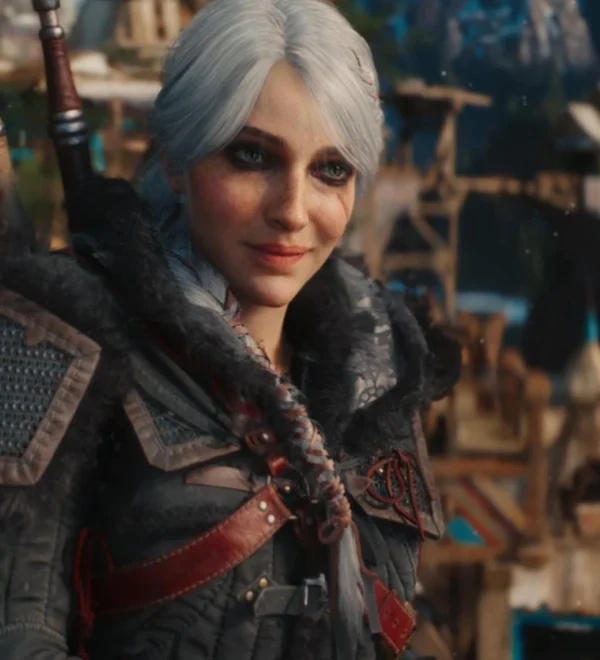 The Witcher 4 Will Release in a Physical Edition, but with a Catch
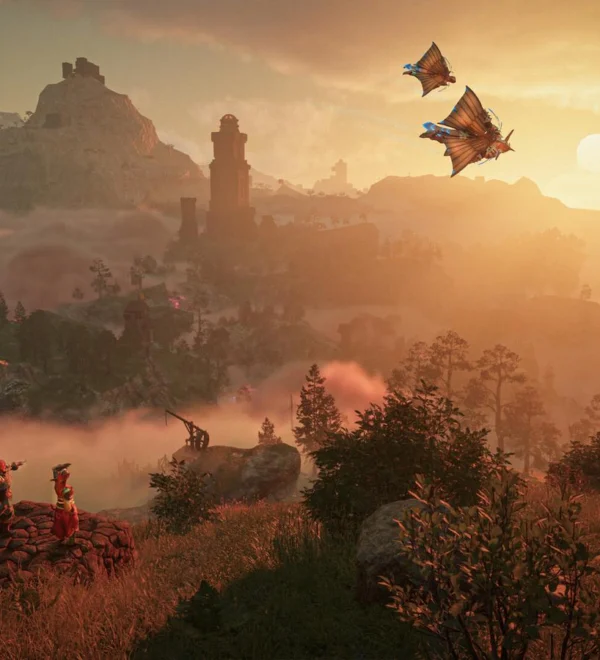 Survival Game Enshrouded Exits Early Access With Version 1.0 Release
 Steam to Add New Trophy System to Address Old Achievement Issue
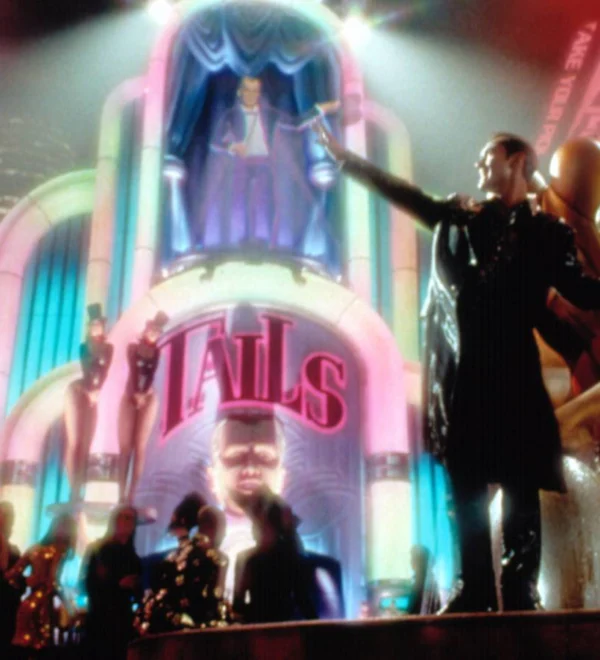 Steven Spielberg and Stanley Kubrick Sci-Fi Film A.I. Coming to Peacock
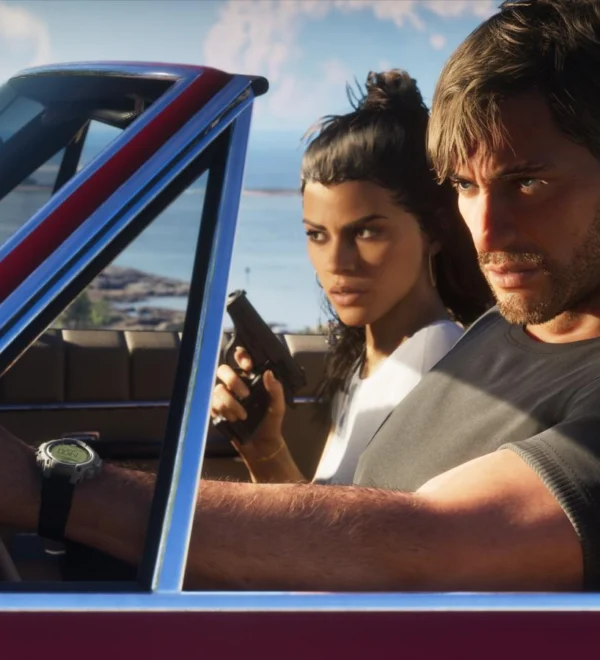 PlayStation Casts Doubt on 60 FPS Support for GTA VI
 Avatar: Seven Havens Episode 6 Ending Explained