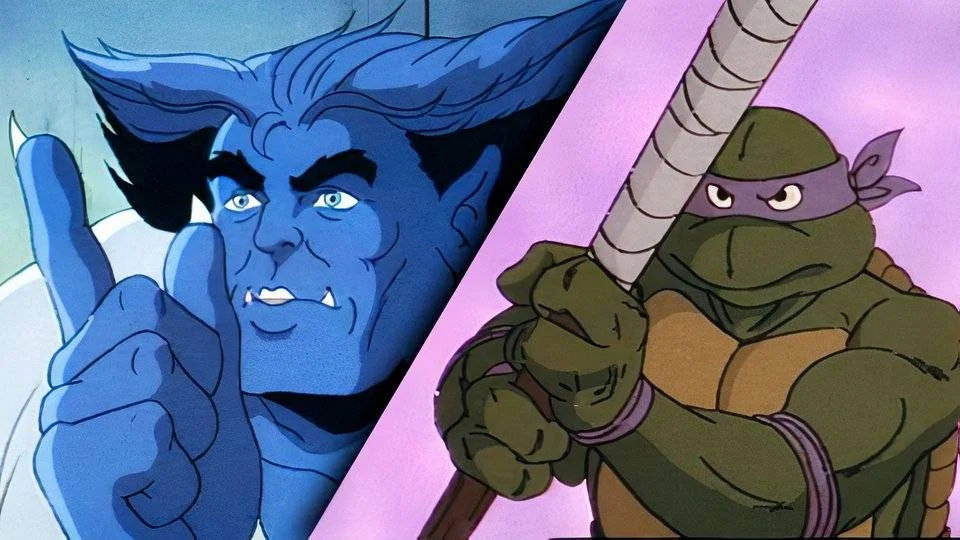
5 TMNT Episodes That Prove the Original Cartoon Was Better Than X-Men: The Animated Series
Now into its second season, X-Men ‘97 has solidified itself as the definitive, comic-accurate thrill ride fans have been clamoring for. Much of its acclaim stems from Marvel’s decision to position it as a direct successor to the seminal 1990s X-Men: The Animated Series, rather than just another generic X-Men cartoon. The studio clearly recognized what audiences have known for decades: the original series was a masterpiece, elevated by sophisticated, mature storytelling that set it miles apart from the usual Saturday morning fare.
However, while the X-Men are currently enjoying a well-earned resurgence, another iconic group of 90s mutants seems to be slipping through the cultural cracks: the original Teenage Mutant Ninja Turtles.
Spanning from 1987 to 1996, the original Teenage Mutant Ninja Turtles series introduced the world to Leonardo, Donatello, Raphael, and Michelangelo. While the Turtles originated as underground indie comic heroes, the cartoon transformed them into global icons. Even with endless reboots, this initial iteration remains the most recognizable version of the characters.
Curiously, the original series is often unfairly dismissed as shallow “kiddie” entertainment, missing the prestige often afforded to peers like Batman: The Animated Series. While it certainly had its fluctuations in production quality, at its zenith, TMNT occasionally outperformed X-Men. Here are five essential episodes that prove the Turtles were capable of brilliance.
5
“Splinter No More”
Image: ParamountIn this standout second-season episode, Donatello successfully crafts an anti-mutagen to revert Splinter (voiced by Peter Renaday) from his rodent form back into his human identity, Hamato Yoshi. As Splinter navigates the modern world, he is horrified by the callousness of humanity. When his transformation begins to wane, he finds himself isolated, terrified of how a giant rat would be perceived by society. Simultaneously, the Turtles grapple with the profound anxiety that their master might prefer his humanity over his bond with them. It’s a poignant exploration of prejudice that stands toe-to-toe with the best social commentary seen in X-Men: The Animated Series.
4
The First Season
Image: ParamountWhile grouping the five-part premiere miniseries into one entry feels like a cheat, listing them individually would be a disservice to their cohesive, narrative-driven structure. When Playmates Toys struggled to find a network willing to produce a series, they funded this miniseries themselves. These episodes masterfully introduce the Turtles, April O’Neil, and a rogue’s gallery featuring Shredder, Krang, and Baxter Stockman. This arc perfectly balances punchy, high-stakes action with witty character dynamics, providing the foundation that made the Turtles a household name.
3
“Plan Six from Outer Space”
Image: ParamountComparing TMNT to the X-Men is like contrasting a hearty meal with a whimsical, late-night snack; the Turtles thrived on sitcom-style absurdity. “Plan Six from Outer Space” is the pinnacle of this approach. When the dim-witted Bebop and Rocksteady inadvertently land jobs as network executives at Channel 6, the resulting chaos is a masterclass in satire. The writing, particularly the meta, fourth-wall-breaking humor from Raphael, showcases the sharp, cynical wit that kept the show fresh despite its repetitive villain plots.
2
“The Maltese Hamster”
Image: ParamountSeason 3’s “The Maltese Hamster” is a brilliant genre exercise. Parodying classic noir cinema—specifically The Maltese Falcon—this episode features Donatello delivering hard-boiled narration while the team hunts for a dangerous formula hidden inside an antique store relic. It’s a hilarious, stylized romp that proves the writers were always ready to flex their creative muscles beyond standard superhero tropes.
1
“Turtles on Trial”
Image: ParamountIn another poignant look at social intolerance, “Turtles on Trial” pits our heroes against a vitriolic talk show host who frames them as public menaces. After being hounded by an angry mob despite their heroic intentions, the Turtles decide to confront the narrative directly on live television. The result is a surprisingly grounded episode that shifts the public perception of the Turtles for the remainder of the series.
While Professor X spent an entire series preaching about the elusive dream of human-mutant coexistence, the Turtles achieved that harmony in just their 20th episode. Eat your heart out, X-Men.
Source: Polygon
Related articles
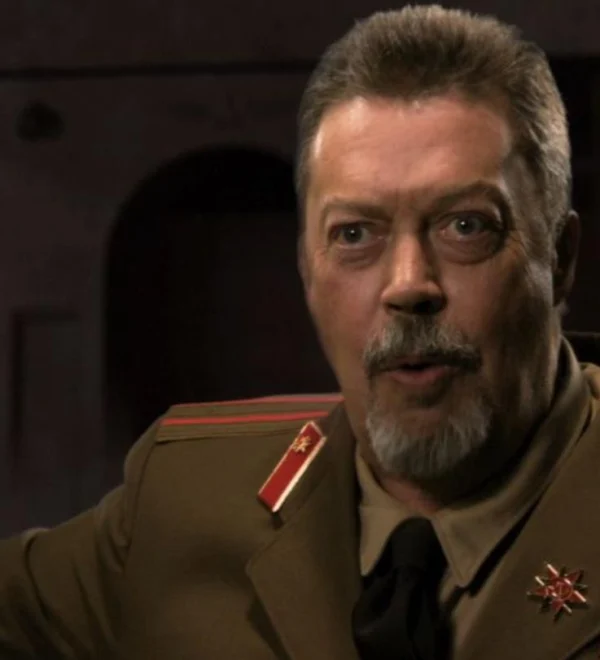 Tim Curry, Star of Command & Conquer: Red Alert 3 and It, Dies
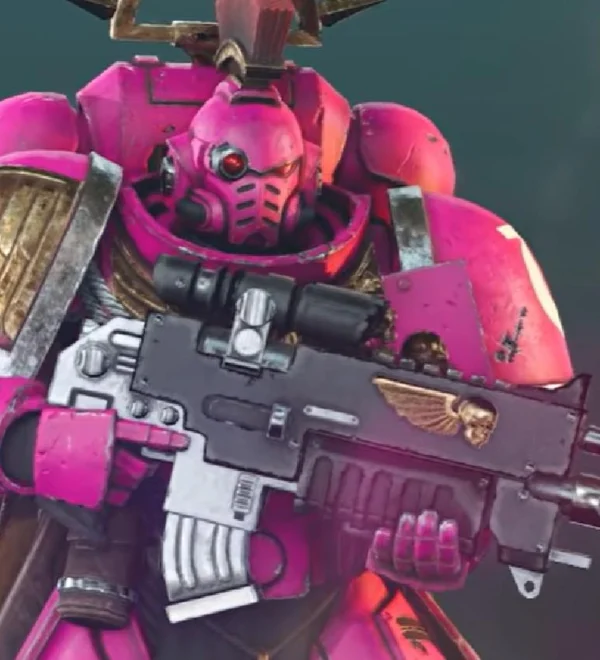 Total War: Warhammer 40,000 Previews Allow Players to Create and Paint Custom Space Marine Chapters
 GTA VI Characters May Gain Weight and Look Tired Without Proper Care
 Warhammer 40,000: Boltgun II Gets New Trailer With Release Date
 Hackers Claim GTA VI Is Still Far from Completion
 Xbox Head Dodges Question on Whether Project Helix Will Have a Disc Drive
 CD Projekt RED Confirms Diablo IV and The Witcher 3 Collaboration
 Dispatch to Get Physical Release on Discs and Cartridges with Bonuses