2026’s First Viral Anime Meme Proves an Iconic Studio Is at Its Peak
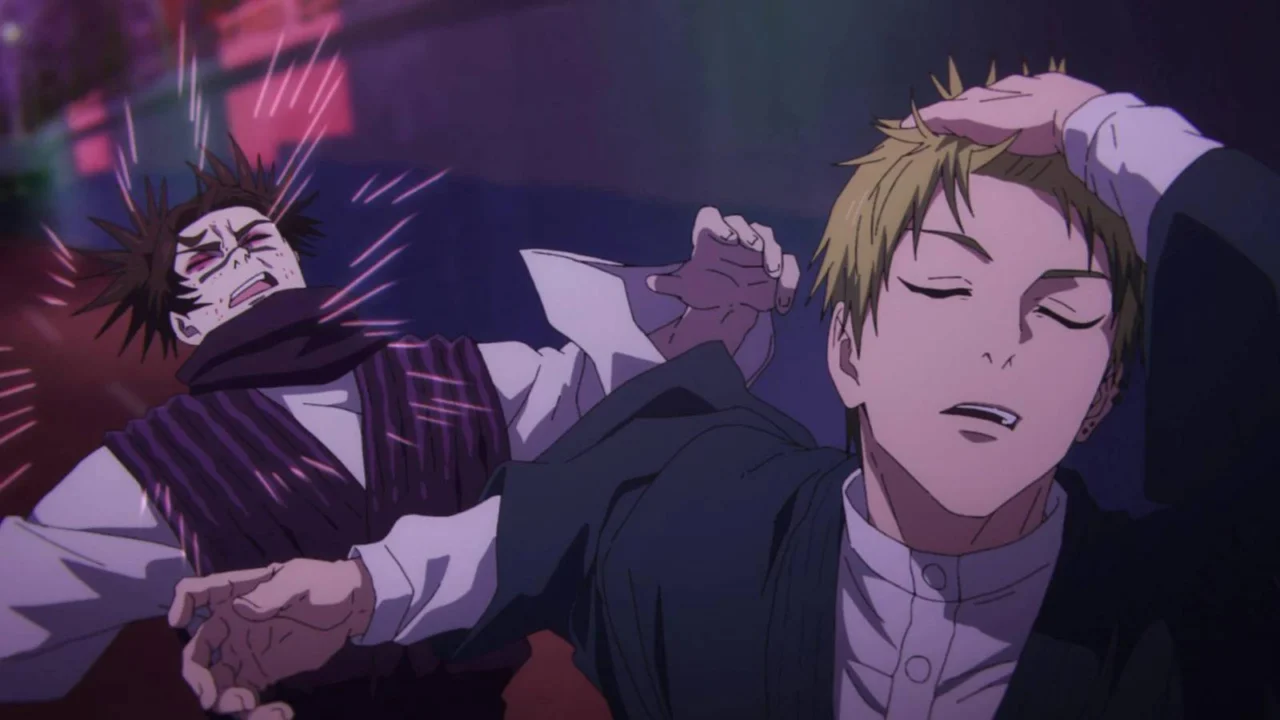
The title for 2026’s first major viral sensation belongs to MAPPA, following their stellar work on Jujutsu Kaisen Season 3. The internet has become obsessed with what is now known as the “Naoya Hair Flip.” During the two-part season premiere, the arrogant Naoya Zenin utilizes his signature cursed technique to deliver a high-speed assault on Choso—the reformed antagonist who has become Yuji’s steadfast protector. Amidst the flurry of punches, Naoya casually looks toward the viewer and sweeps a hand through his hair with effortless narcissism. This single motion perfectly encapsulates his character: elitist, dangerously fast, and hopelessly self-obsessed. Naturally, fans were instantly hooked.
In the following weeks, the sequence has been reimagined across social media, with artists swapping in characters from other franchises, various video games, and even professional sports teams. The NFL’s Houston Texans joined the fray when their mascot, Toro, re-enacted the meme on X to celebrate a victory against the Steelers. McDonald’s also participated, posting an image of the Hamburglar swiping a meal with Naoya-esque speed. In an era where AI-generated trends like last year’s Ghibli filter often dominate, the Naoya trend stands out as a triumph of traditional (and digital) animation sparking genuine human creativity.
What makes this moment particularly fascinating for fans of the source material is that it never actually occurred in Gege Akutami’s original manga.
Season 3 covers the Culling Game arc, a deadly battle royale orchestrated by the manipulative Kenjaku. Following the devastation of the Shibuya Incident, Japan is crawling with curses. As Chapter 139 opens, Yuji and Choso are purging these monsters when Naoya Zenin arrives, intent on hunting down Megumi Fushiguro. The new Zenin clan leader engages the duo primarily to showcase his perceived superiority.
In the manga, this skirmish lasts only a few panels. While Naoya clearly outclasses his opponents, there is no flamboyant hair flip to be found. MAPPA’s animators chose to expand this sequence, using original choreography to better demonstrate the mechanics of his cursed technique. This isn’t the only creative liberty taken; Naoya’s power is visualized with a distinct aesthetic compared to his father, Naobito, who used the same ability in the previous season.
Their shared technique, Projection Sorcery, essentially treats time like a film strip, dividing one second into 24 distinct frames. The user pre-calculates their movements and must adhere to that path, or they—and anyone they touch—will be frozen in a 2D frame. While Naobito’s movements were animated to evoke classic, hand-drawn styles, Naoya’s speed is rendered in crisp, modern CGI. This stylistic contrast suggests that Naoya’s mastery of the technique is influenced by a digital-age upbringing, giving his combat a sharper, more contemporary feel.
From the cinematic brutality of Mahoraga vs. Sukuna to the artistic symbolism in the latest opening credits, MAPPA has proven they have a profound grasp of the source material’s subtext. They consistently identify moments where they can deviate from the manga to improve the pacing or characterization, much like they did with the viral Gojo moment in JJK 0. By simplifying the intricate rules of the Culling Game while adding memorable flourishes like the hair flip, MAPPA demonstrates how a top-tier adaptation can actually surpass its origins.
Source: Polygon
Related articles
 Boxed Games Become a Problem for Collectors as Issues Reach PS5
 Gears of War: E-Day Reportedly Planned as Start of a New Trilogy, Rumors Say
 Shenmue III Enhanced Edition Delayed to Improve Graphics and Add New Features
 Ridley Scott Finds Screenwriter for New Film That May Continue the Prometheus and Alien: Covenant Story
 Zendaya to Be Promoted for Best Lead Actress Oscar for Third Dune Film
 Crimson Desert Charting the Unknown Expansion Will Add Sea Monsters and Ship Boarding, Details Revealed
 Ticket Presales Suggest Dune: Part Three Will Lose Heavily to Avengers: Doomsday at the Box Office
 DC Horror Film Clayface Earns Unusually High CinemaScore