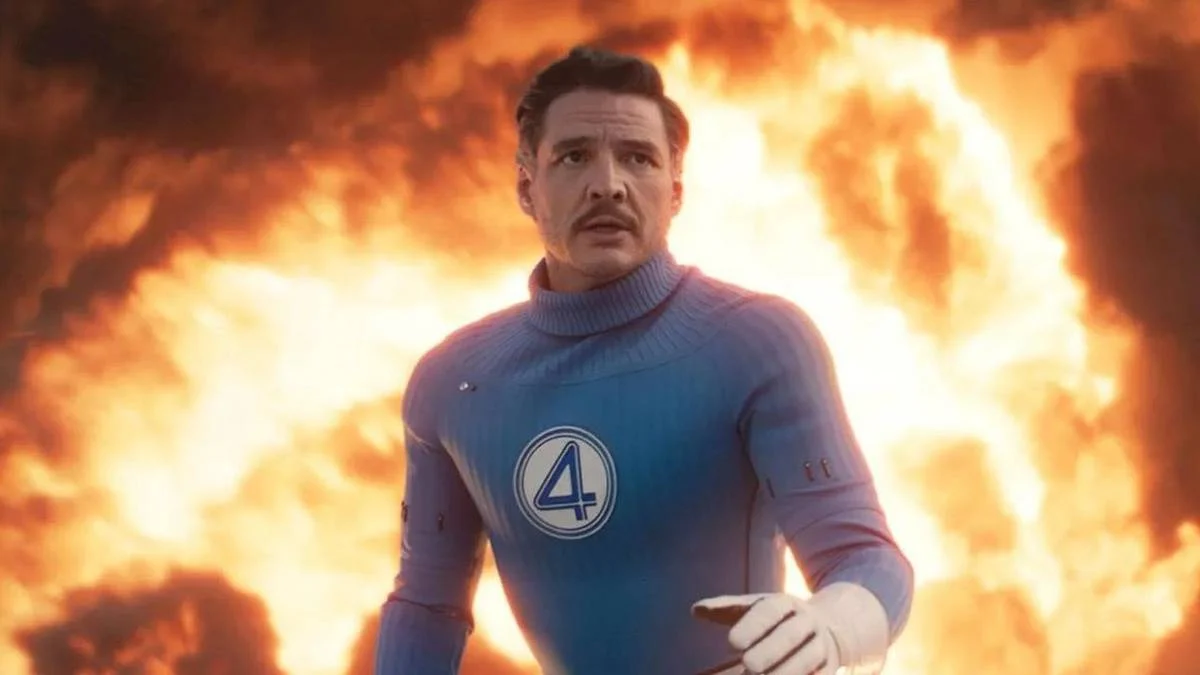
2025: The Year the Marvel Cinematic Universe Collapsed

During the summer of 2025, Marvel Studios mastermind Kevin Feige convened a roundtable of reporters to offer a rare, unvarnished look at the state of his empire. Just days before The Fantastic Four: First Steps hit theaters, Feige candidly admitted that the sprawling Marvel Cinematic Universe had begun to feel like a chore for the average viewer. Describing the new film as an entry point that required no “homework,” he emphasized that it was disconnected from the existing continuity. In a moment of startling honesty, he also acknowledged that the studio had lost its way in the post-Endgame rush, conceding that for the first time, sheer volume had overshadowed creative excellence.
The 2025 slate was envisioned as a pivot point—a period of strategic contraction where Marvel would prioritize narrative depth over relentless output. Feige aimed to clear the narrative cobwebs that had lingered since Thanos was defeated, reclaiming the prestige of the most successful franchise in cinema history. That was the blueprint, at least.
However, the actual outcome told a more complicated story. While 2025 did see a modest uptick in the quality of Marvel’s theatrical offerings, this creative resurgence didn’t result in the blockbuster revenue the studio once treated as a birthright. The year’s three tentpole releases—Fantastic Four, Thunderbolts*, and Captain America: Brave New World—all struggled to ignite the cultural fervor of the MCU’s golden age. Viewed collectively, they suggest that even when the studio manages to find its footing, the franchise remains prone to disappointing stumbles.
 Image: Marvel Studios/Walt Disney Studios
The year began with Captain America: Brave New World, a project that had been mired in development hell for years, plagued by extensive reshoots and industry-wide strikes. While it captured some of the gritty conspiracy vibes of The Winter Soldier, it was burdened by the need to tie up loose ends from 2008’s The Incredible Hulk while simultaneously laying track for future team-ups.
Financially, Brave New World was arguably the high point of a lackluster year. It grossed $415.1 million against an $180 million budget—a respectable sum for a standard action movie, but a far cry from the era when Marvel films crossed the billion-dollar threshold with ease. The audience’s lukewarm reception to the Captain America mantle being passed suggested that fans weren’t yet ready to embrace a new guard, which likely explains why Chris Evans is slated to return in next year’s Avengers: Doomsday.
Next was Thunderbolts*, where director Jake Schreier attempted to ground the universe by focusing on a group of fringe characters. He delivered a surprisingly entertaining film that prioritized character beats over cosmic stakes. Yet, even with the reveal that the asterisk signaled a pivot to “The New Avengers,” the public remained indifferent. The film stalled at $382 million globally on a similar $180 million budget—a figure that suggests Marvel’s belt-tightening in 2025 was a direct response to the fiscal volatility of the previous year.
 Image: Marvel Studios/Disney
Finally, there was the high-stakes debut of The Fantastic Four: First Steps. Boasting a $230 million budget and a promise of standalone accessibility, the film was visually distinct, with director Matt Shakman leaning into retro-futurism inspired by The Incredibles and Interstellar. It was arguably the most aesthetically pleasing MCU film in years, offering a self-contained story set in an alternate reality.
Nevertheless, the “First Family” only managed to pull in $522 million. It’s possible that years of previous failed iterations from other studios had soured the brand, or perhaps Feige’s “no homework” approach actually alienated dedicated fans who crave interconnectedness. Regardless of the reason, one of Marvel’s crown jewels failed to outearn Thor: The Dark World.
That comparison might seem harsh. The Dark World arrived in 2013, a time when the MCU was an unstoppable cultural juggernaut. Back then, the audience’s appetite for superhero cinema was insatiable, and the theatrical landscape hadn’t yet been disrupted by the rise of streaming, inflation, and shifting post-pandemic habits.
 Image: Marvel Studios
Consider 2015 for further context. That year gave us Avengers: Age of Ultron, which soared past $1 billion, and Ant-Man, which earned $520 million. It’s a sobering realization that a quirky comedy about a then-obscure character performed nearly as well as the long-awaited MCU debut of the Fantastic Four. This erosion of brand power is difficult to ignore.
We must also acknowledge the financial nadir of 2023. That year saw the studio falter with Quantumania and suffer a genuine box-office disaster with The Marvels. The one saving grace was James Gunn’s Guardians of the Galaxy Vol. 3, which earned $800 million and proved that quality could still drive traffic. Paradoxically, Gunn has since moved on to rejuvenate the competition; his 2025 Superman reboot outperformed Marvel’s entire slate with a $617 million haul. While 2023 felt like a temporary slump, the mediocre results of 2025 suggest a more permanent decline.
 Photo: Jessica Miglio/Marvel Studios
Looking ahead to 2026, the MCU’s future rests entirely on Avengers: Doomsday. This project feels less like a narrative innovation and more like a desperate “greatest hits” compilation, bringing back Robert Downey Jr. and the Russo brothers alongside the Fox-era X-Men. If pure nostalgia can propel Doomsday to $1 billion, the franchise may find a second wind. If not, 2025 will likely be remembered as the year the Marvel juggernaut finally lost its momentum for good.
Source: Polygon
Related articles
 Netflix Sets Avatar: The Last Airbender Season 3 for 2027 Release and Reveals Fire Lord Ozai
 FX Releases First Behind-the-Scenes Video for Season 2 of Alien: Earth
 CDPR Reveals Number of Developers Working on The Witcher 3 Expansion
 Experts Explain How Ray Tracing Impacts GTA VI Visual Quality
 CD Projekt Red Begins Development on New Game Outside The Witcher and Cyberpunk Franchises
 The Video Games and More You Should Play This Weekend – September 4, 2026
 Dragon’s Dogma 2 Receives Performance Boost From 25 to 60 FPS
 Devil May Cry Creator Reveals His Biggest Fear Beyond the Death of Physical Discs