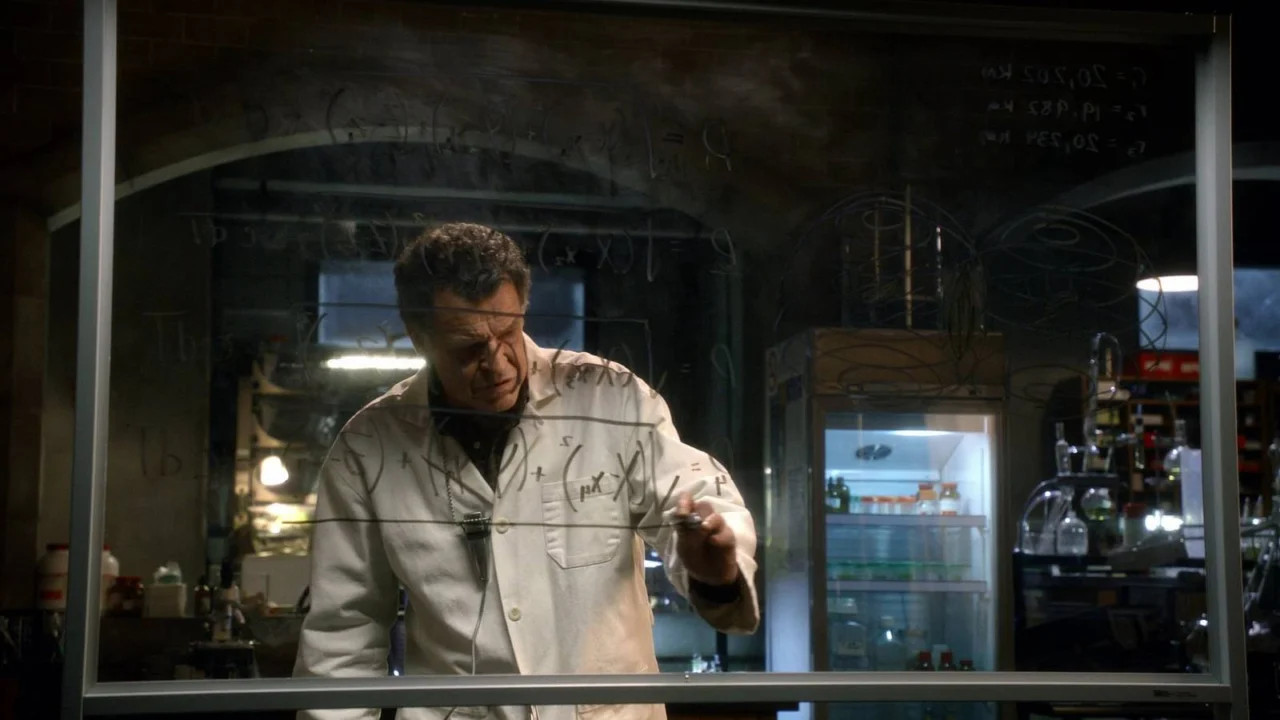
10 Standalone Fringe Episodes to Watch Before You Commit to the Series

Pluto TV kicked off 2026 by introducing The X-Files to its ad-supported rotation, and now the platform is expanding its sci-fi pedigree by adding the complete 100-episode run of its thematic heir, Fringe. Spanning five seasons from 2008 to 2013, the series offers a rich, serialized narrative, yet it also boasts some of the most imaginative standalone hours in television history. If you’re looking for a gateway into the bizarre imagination of showrunners J. H. Wyman and Jeff Pinkner, these individual episodes are the perfect starting point.
Fringe stands on the shoulders of the procedural mystery format popularized by The X-Files in the ’90s. The story follows the disciplined FBI Special Agent Olivia Dunham (Anna Torv) as she enlists the help of the eccentric, formerly institutionalized genius Dr. Walter Bishop (John Noble) and his pragmatic son Peter (Joshua Jackson). Together, they form the Fringe Division to tackle cases that defy conventional science. The series features a compelling romantic tension between the leads and a standout performance by the late Lance Reddick as their formidable superior, Phillip Broyles.
While the show eventually built a satisfyingly intricate mythology involving parallel universes, its “Monster of the Week” entries remain legendary for their visceral, often unsettling concepts. These standalone stories are remarkably accessible, even for those unfamiliar with the series’ broader psychic warfare or multiverse lore. To begin your investigation into the strange world of Fringe, we recommend these 10 essential episodes.
10
“The Same Old Story” (Season 1, Episode 2)
 Image: Fox
After the grand scale of the pilot, “The Same Old Story” established the show’s unique procedural rhythm. Merging medical mystery with biological horror, the episode opens with a terrifying case of accelerated pregnancy. It serves as an early showcase for the team’s unorthodox investigative methods—proving that in the world of Fringe, you often need to employ “mad science” to catch a mad scientist.
9
“The Transformation” (Season 1, Episode 13)
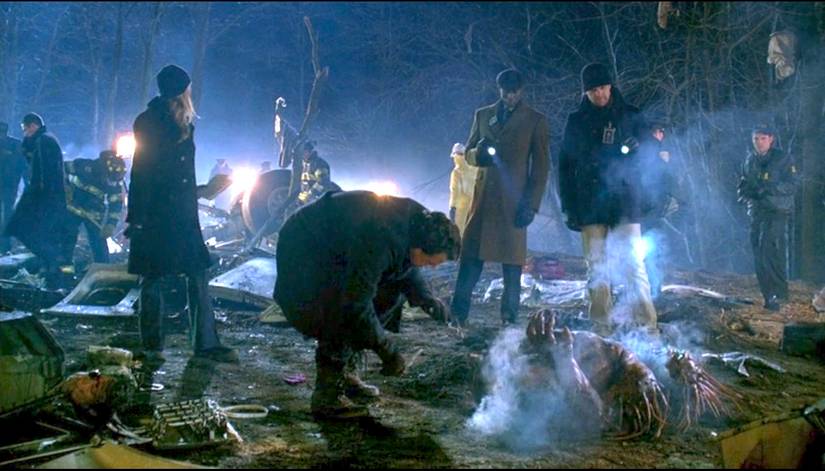 Image: Fox
Elevating the fear of flying to grotesque new heights, this episode begins with a mid-flight passenger mutating into a quill-covered beast. While the body horror is effectively disturbing, the episode is balanced by Walter’s dark humor and clinical fascination—including his peculiar need to count the creature’s mammary glands. It’s a perfect example of how the show began weaving seemingly random cases into a larger, interconnected web.
8
“Unleashed” (Season 1, Episode 16)
Image: FoxIn a scenario reminiscent of 28 Days Later, animal rights activists inadvertently release a biological nightmare during a laboratory raid. The predator in question is a genetically engineered chimera that uses human hosts to gestate its larvae. When a member of the Fringe Division becomes the target, the episode turns into a frantic, high-stakes race against a parasitic clock.
7
“August” (Season 2, Episode 8)
Image: Fox“August” pivots from horror to sci-fi noir to explore the Observers—the enigmatic, bald men in suits who linger in the background of history. Evoking the melancholy atmosphere of Wings of Desire, the story follows an Observer who breaks his vow of non-interference after developing an emotional attachment to a human woman. It is a poignant, standout hour that humanizes the show’s most mysterious entities.
6
“Johari Window” (Season 2, Episode 12)
Image: FoxPenned by Spotlight screenwriter Josh Singer, this episode feels like a love letter to the classic X-Files era. When two state troopers are murdered, the team uncovers a secluded town hiding a tragic genetic secret. It perfectly encapsulates Fringe‘s recurring themes: the consequences of government experiments and the heavy burden of Walter’s scientific past.
5
“The Bishop Revival” (Season 2, Episode 14)
Image: FoxThis episode introduces a chilling antagonist: a man using a gene-targeted poison to systematically eliminate specific bloodlines. The investigation forces Walter to confront his family’s history and the dark potential of his own work, resulting in a tense thriller with an exceptionally satisfying—and poetic—conclusion.
4
“White Tulip” (Season 2, Episode 18)
Image: FoxWidely regarded as the series’ emotional peak, “White Tulip” stars Peter Weller as a scientist desperate to master time travel to prevent his wife’s death. The episode serves as a beautiful meditation on forgiveness and faith, as Walter attempts to guide a fellow “madman” away from a path of self-destruction that he knows all too well.
3
“The Plateau” (Season 3, Episode 3)
Image: FoxSet within the show’s vibrant parallel universe, this episode features a villain who has weaponized causality. After enhancing his IQ with experimental drugs, he can trigger lethal “accidents” through simple actions like dropping a pen. It’s a brilliant, high-concept game of cat-and-mouse that highlights the show’s intellectual creativity.
2
“Marionette” (Season 3, Episode 9)
Image: FoxThis unsettling hour follows a man attempting to resurrect his lost love by harvesting her donated organs from various recipients. While the central case is a haunting riff on Frankenstein, the episode’s true weight comes from Olivia’s emotional struggle to reclaim her identity after being replaced by a doppelgänger from another world.
1
“Making Angels” (Season 4, Episode 11)
Image: FoxFocusing on the often-overlooked Astrid Farnsworth (Jasika Nicole), this episode brings her face-to-face with her alternate-universe self. It’s a touching character study wrapped in a fascinating case about a serial killer who believes he is granting mercy to people destined for future suffering. It is a testament to the show’s ability to find profound humanity within the most bizarre scientific premises.
Source: Polygon
Related articles
 Cosplayers Recreate Elden Ring’s Miquella and Malenia in Matching Gold and Rot Looks
 Former Marathon Director Discusses Internal Disagreements at Bungie During Game’s Development
 Microsoft Urges Owners of Unused Xbox Series X|S Consoles to Trade Them In Amid Rising Prices
 Critical Role’s The Mighty Nein Characters Team Up in New Sequel Excerpt
 DreamWorks’ Forgotten Island Sets Digital Release for October 27
 Black Ops and Black Ops 2 Developer Demands Activision Share Re-Release Revenue With Original Game Creators
 Lucasfilm Games Shifts Star Wars Strategy Toward Smaller Projects and New Partners
 Dark Soulslike Mortal Shell II Gets Halloween Rotten Autumn Update With Alternate Soundtrack