
Writer: Don’t Expect The Martian 2 — Project Hail Mary Is Coming Instead
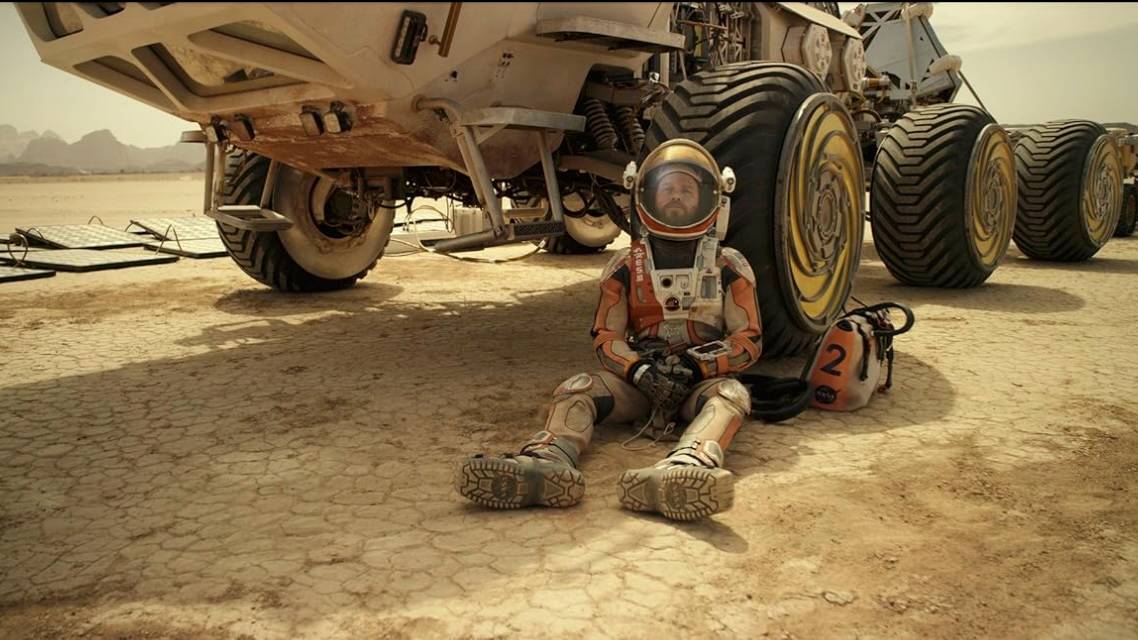
Andy Weir, who began his career as a software engineer before turning to fiction, is known for grounding his novels in rigorous science. He served as the science consultant on Ridley Scott’s film adaptation of The Martian and took an even more hands-on role for the screen version of his 2021 novel Project Hail Mary, working on set as both a producer and technical advisor throughout production of the Ryan Gosling–starring film.
Weir says production teams were meticulous about scientific details — from on-screen computer readouts to ship telemetry — and that being able to wander massive sets while watching his fiction become tangible, often punctuated by algebraic problem-solving, was a dream assignment for him.
While Matt Damon embodied Mark Watney in The Martian and Ryan Gosling portrays Ryland Grace in Project Hail Mary, Weir explains that when he writes he rarely imagines a specific actor or face; his characters begin as conceptual shapes rather than fully formed visual images.
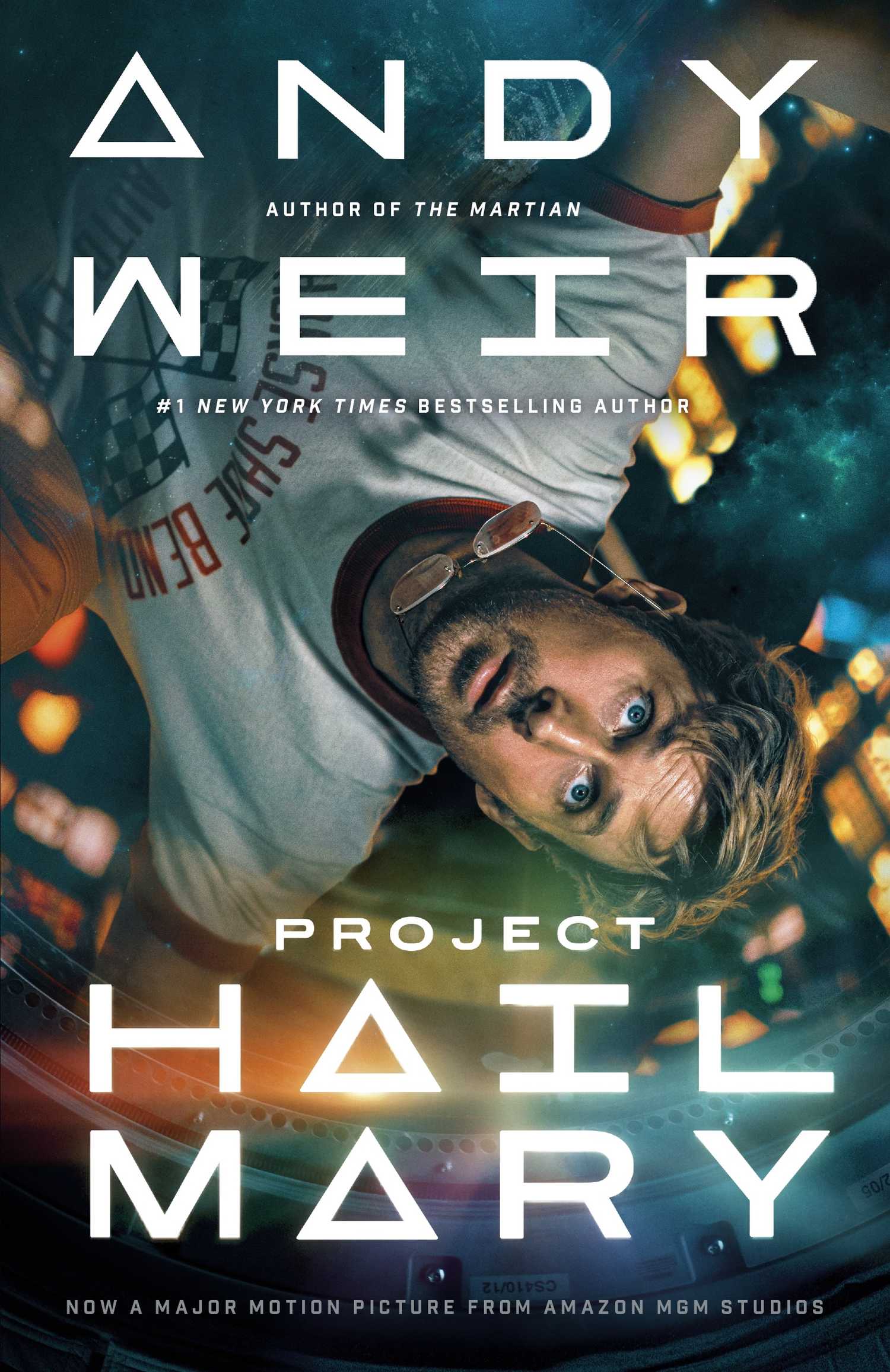 Image: Penguin Random House
Weir describes his imagination as largely conceptual — characters initially exist as loose impressions rather than vivid portraits — which makes it easier for him to embrace cinematic interpretations without feeling a mismatch between page and screen.
The Martian, first self-published in 2011, is a rigorously realistic survival tale about an astronaut stranded on Mars. By contrast, Project Hail Mary explores a higher-concept scenario in which Earth faces a civilization-threatening phenomenon caused by an alien single-celled organism, dubbed “astrophage.” Weir conceived the book as an alternative take on first contact: instead of an intelligent civilization arriving in force, he imagined a far more plausible biological threat spreading across space.
“Why would an intelligent species bother visiting us?” he asks rhetorically, arguing that a non‑intelligent organism — a mold-like or fungal lifeform — is a more probable vector for interstellar danger. That premise underpins the novel’s central conflict.
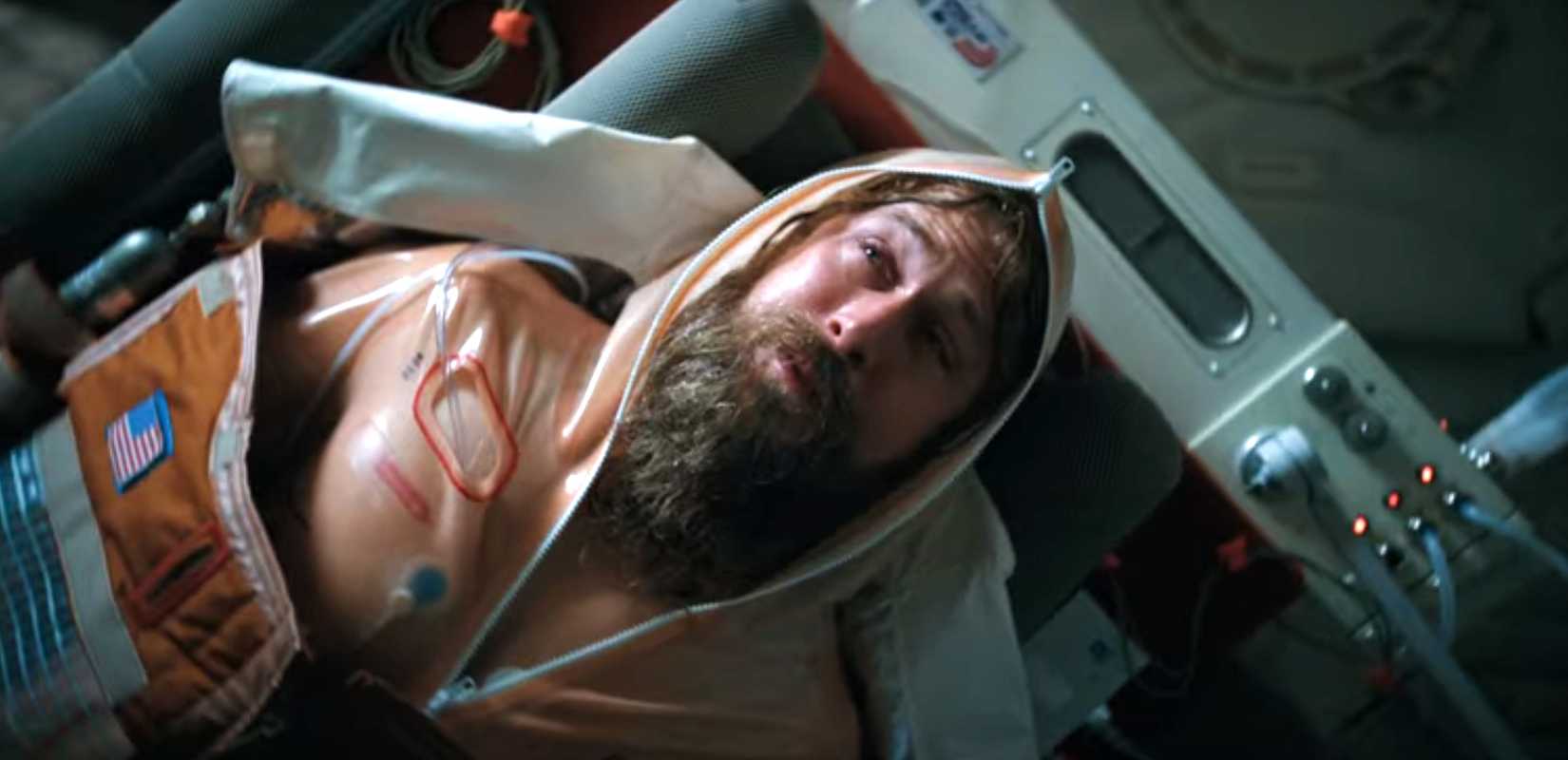 Image: Amazon MGM via Polygon
In the novel, Grace embarks on a desperate voyage to Tau Ceti and encounters an alien companion he dubs Rocky, who is likewise fighting astrophage to save his own world. Though the premise is more fantastical than The Martian, Weir invested equal effort in research: Rocky’s physiology was crafted with Erid’s known atmospheric and gravitational conditions in mind, reflecting Weir’s compulsion for scientific plausibility.
That commitment occasionally collides with the rapid pace of scientific and technological change. For example, speech translation — once a significant obstacle in fiction — has been profoundly altered by advances in artificial intelligence. And discoveries about water bound in Martian soil since The Martian was written have shifted how some survival scenarios might realistically play out.
Weir also notes how real-world crises can reshape a book’s resonance. Though he completed Project Hail Mary before the COVID-19 pandemic, Ryland Grace’s profound isolation echoes the experience of lockdown for many readers. He sees the pandemic response — widespread, if imperfect, international collaboration and rapid adoption of mRNA vaccines — as evidence that humanity can marshal extraordinary cooperation when faced with existential threats.
 Image: Amazon MGM Studios
Weir has moved on to another standalone science-fiction project after the mixed reception to his 2017 novel Artemis. Although he once considered expanding that book into a series, he ultimately gravitated toward new ideas rather than revisiting a title whose momentum waned quickly after release.
A movie tie-in edition of Project Hail Mary was issued on December 2, 2025, ahead of the film’s scheduled premiere on March 20, 2026.
Source: Polygon
Related articles
 Paul Thomas Anderson is working on a new project
 Gal Gadot’s “Heart of Stone” receives scathing reviews
 Netflix and Alfonso Cuarón Developing Dungeons & Dragons Horror Series
 Critics approve of the second season of Guy Ritchie’s The Gentlemen
 “Gangsterland” starring Tom Hardy renewed for a third season
 Martin McDonagh Presents “Wild Horse” Starring Malkovich and Rockwell in Venice
 Werner Herzog dedicates the film “Bad Lieutenant” to David Lynch
 First still from the film “The Luckiest Girl Alive” featuring Kate and Rooney Mara