World of Warcraft: Midnight: A Triumphant Homecoming for the WoW Community
Blizzard’s marketing strategy for the latest World of Warcraft expansion, Midnight, centers on a poignant theme: “Adventure is calling you home.” While this is a direct nod to the long-awaited introduction of player housing, it also serves as a clarion call for veteran and casual players to return to the fold. More significantly, it signals a retreat to the game’s “old world”—the original continents of Azeroth that established the franchise’s legacy over two decades ago.
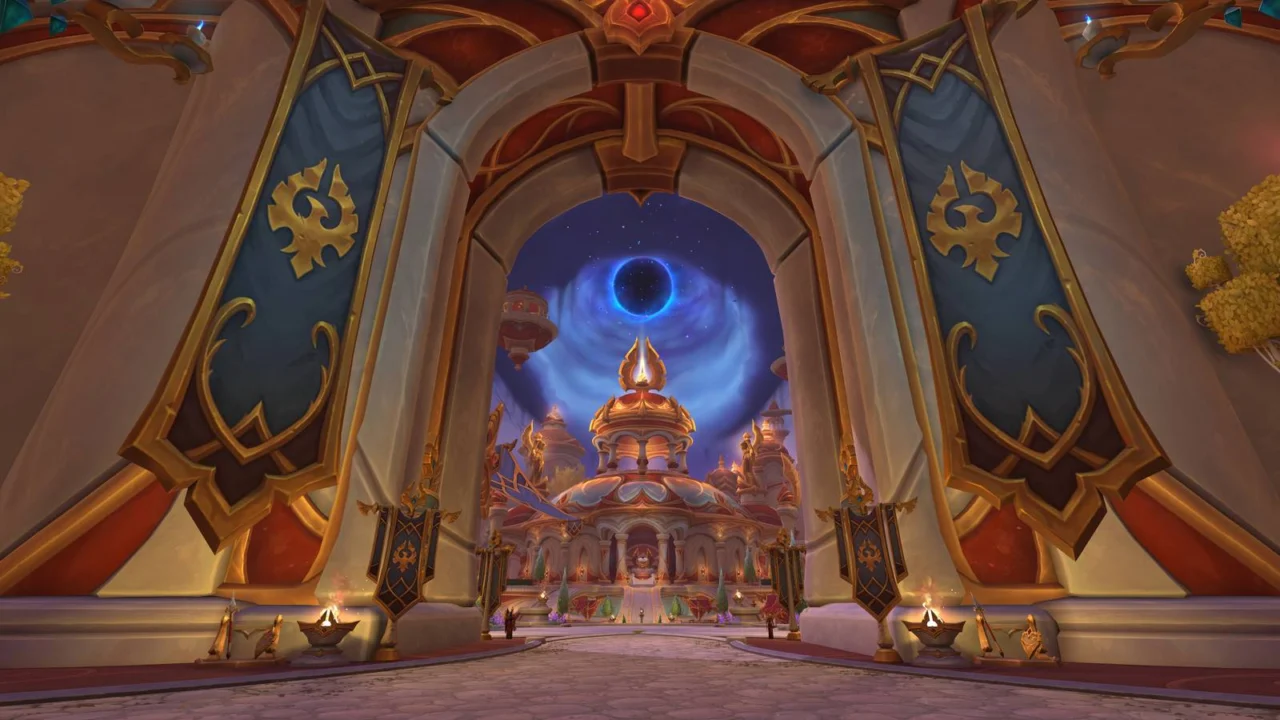
Across ten expansions and twenty years, players have traversed the cosmos, explored the realms of the afterlife, and navigated temporal rifts. Yet, Midnight represents the first genuine homecoming to these foundational landscapes since 2010’s Cataclysm. As the middle chapter of the ambitious Worldsoul Saga trilogy, the expansion revitalizes the northeastern reaches of the Eastern Kingdoms, the ancestral domain of the Blood Elves. Silvermoon City has been reconstructed into a breathtaking, regal capital; the ethereal groves of Eversong Woods now pulse with arcane mystery and political intrigue; and the ancient fortress of Zul’Aman has been expanded into a sprawling, untamed territory for the Amani forest trolls.
Aside from the subterranean wilds of Harandar—which introduces the enigmatic Haranir race—the expansion avoids the disjointed fantasy tropes that have occasionally diluted past narratives. Instead, Midnight feels like an essential return to familiar soil that, despite being a reimagining, carries more excitement than many entirely new worlds. This isn’t just a play for nostalgia. Even newcomers can feel the historical gravity of the setting; Midnight taps into the core of the Warcraft mythos, where tribal feuds and ancient grievances are etched into the very geography. It mirrors the depth of the original strategy games, where every valley was soaked in the history of previous wars.
 Image: Blizzard Entertainment
The reverence for history doesn’t stop at the new borders. A major questline ventures back into the heart of Lordaeron, revisiting iconic sites such as Light’s Hope Chapel, Blackrock Mountain, and the Scarlet Monastery. There are even narrative echoes of the events from Warcraft 2. This sense of continuity is powerful, amplified by the fact that many players have lived with these stories for decades in the real world. World of Warcraft leverages its immense age to create a sense of poignancy that few modern titles can emulate.
At the center of this narrative is Arator, a half-elf paladin and the son of legendary heroes Turalyon and Alleria Windrunner. His journey is a deeply personal one, guided by the undead cleric Alonsus Faol, serving as a pilgrimage through the legacy of the Paladins. While the quest leans into emotional therapy, it showcases Blizzard’s talent for weaving intimate character development into the grand tapestry of an MMO. By the time Arator’s story reaches its climax, he feels like a tangible part of the world, making his future path matter to the player.
Midnight certainly indulges in fan-service—most notably with the Arcantina, an interdimensional tavern where players can rub shoulders with icons like Rexxar—but its true strength lies in reclaiming the spirit of the game’s early years. The central conflict involves a massive existential threat: the Voidstorm, a dark celestial tear summoned by the antagonist Xal’atath, which hangs ominously over the landscape, countered by the brilliant radiance of the Sunwell.
 Image: Blizzard Entertainment
This cosmic war also reignites old geopolitical tensions. The aloof guards of Silvermoon remain wary of outsiders, offering biting remarks based on a player’s race or alliance. Furthermore, Midnight challenges the traditional dichotomy of “good” Light versus “evil” Void, frequently highlighting the moral myopia of its heroes. It is a return to a more complex, shades-of-gray Warcraft—a world of vivid visuals but tangled ideologies.
Ironically, while the content leans heavily on tradition, the game’s systems are making a clean break from the past. Player housing is a significant move toward casual accessibility, though it remains somewhat distinct from the core progression. Meanwhile, Blizzard’s push to limit the influence of combat-assisting mods and the streamlining of character classes has radically altered the experience for high-end players.
It is still too early to judge the long-term impact of these mechanical shifts. In this early-access period, the new dungeon encounters feel remarkably more intuitive without external addons, while still maintaining high levels of complexity. The “Delves”—solo-friendly dungeons introduced in The War Within—continue to be a standout feature, and the upcoming “Prey” system promises a new dynamic where players can hunt, or be hunted by, formidable bosses in the open world.
 Image: Blizzard Entertainment
The community’s current enthusiasm for Midnight is undeniable, but every expansion enjoys a honeymoon phase. The ultimate test will be the sustainability of the endgame and how well Blizzard follows its development roadmap. Past successes like Warlords of Draenor or Battle for Azeroth eventually struggled due to poor long-term support or flawed systems. Midnight could still face a similar fate.
However, for the moment, World of Warcraft feels more vibrant and self-assured than it has in years—arguably more so than even the acclaimed Legion expansion. By grounding the journey in the history of Azeroth, Blizzard has created an enchanting sense of belonging. It is a homecoming that feels both earned and exhilarating.
Source: Polygon
Related articles
 Cosplayer Recreates Shiromuku Look From Silent Hill f
 Gears of War: E-Day Enters Top 3 Most Popular Games on Xbox
 Netflix Fires Film Chief Dan Lin Amid Reported Clash With Greta Gerwig Over “Narnia: The Magician’s Nephew”
 VisionQuest Brings Marvel’s Original Human Torch Phineas Horton Into MCU Canon
 VisionQuest Episode 4 Ending Explained: Who Jocasta Is in Marvel Comics
 Midnight Mass Outshines Carrie as Mike Flanagan’s Strongest Netflix Miniseries
 Mike Flanagan Calls Writing Henry Cavill’s Warhammer 40K Series Brutally Difficult
 Crimson Desert: Charting the Unknown DLC Features Overview