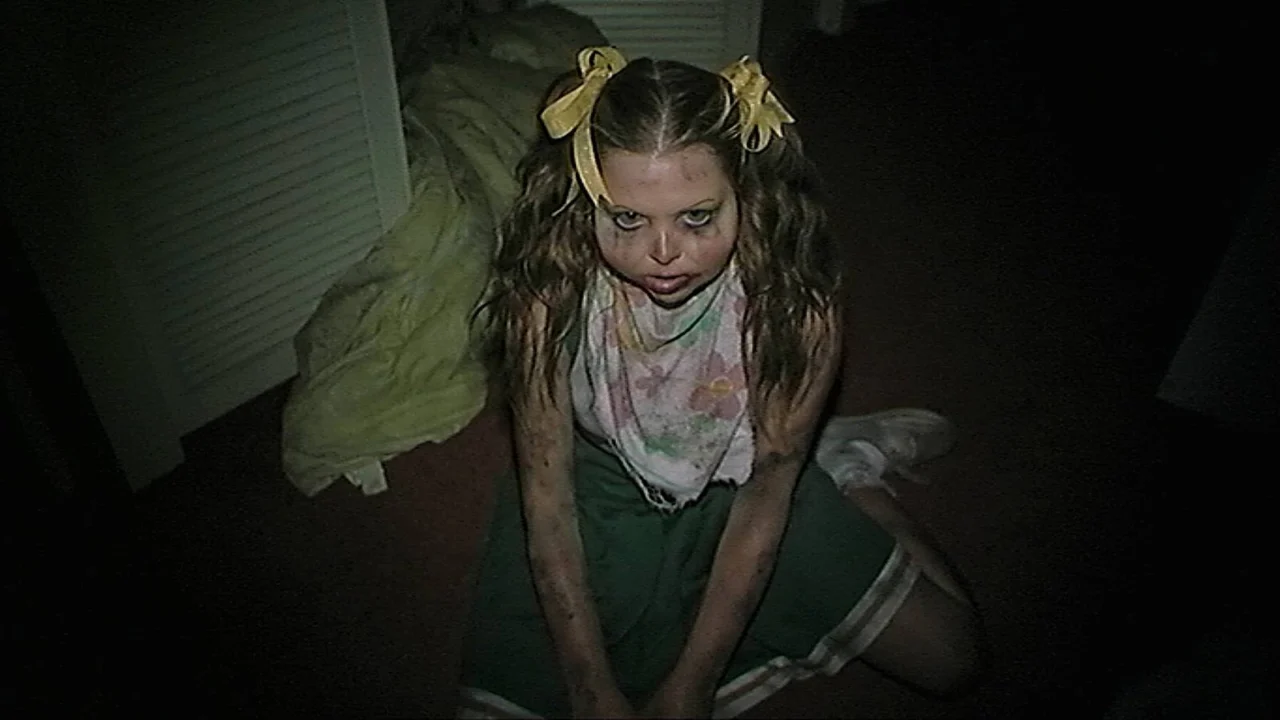
V/H/S Halloween Directors Explain Why Found-Footage Horror Is Still ‘Hard AF’ to Shoot

After the early-2000s surge in found-footage horror triggered by The Blair Witch Project, the format didn’t vanish so much as mutate. Filmmakers expanded the language into “screenlife” experiments, stylized reinterpretations of first-person cinema, and ambitious single-take pieces that trade shaky-cam textures for uninterrupted, immersive staging. Those approaches now sit alongside — and sometimes replace — the handheld aesthetic that once dominated the subgenre.
The V/H/S franchise has been the notable exception: a short-form anthology that helped reignite interest in micro horror and has kept the found-footage spirit alive across seven prior installments. Its eighth entry, 2025’s V/H/S Halloween, gathers five Halloween-themed shorts around a framing piece called “Diet Phantasma,” in which a detached scientist oversees consumer trials of a diet cola that kills tasters in increasingly grotesque, over-the-top ways.
At V/H/S Halloween’s world premiere at Austin’s Fantastic Fest in 2025, all seven directors appeared for a post-screening Q&A. Anna Zlokovic described the experience of shooting found-footage horror as extremely demanding — a sentiment the other directors largely echoed. Polygon then spoke with the filmmakers to unpack why this style can be more complicated than conventional horror — and, in a few cases, why its constraints can also be liberating.
This interview has been edited for length and clarity.

Polygon: I’ve asked found-footage directors before about specific tricky moments, but this is the first panel where someone said the format is just universally difficult. What are the core challenges of found-footage horror?
Micheline Pitt, co-director of “Home Haunt”: The hardest constraint for me is creative self-discipline. Everything on screen must be justified by whoever is holding the camera, so you can’t indulge in shots that don’t make sense for that character. That box can be infuriating — you’re constantly trimming ideas that would work in a conventional film but feel false in POV footage.
Alex Ross Perry, director of “Kidprint”: I partly agree, but I also found the opposite: the format can free you. Shooting in a 360-degree environment where blocking and coverage are one and the same is oddly relieving. In traditional coverage you stage a scene and then break it into camera setups; in found footage, once you figure out the character’s movement you’ve essentially solved your coverage. You shoot the action as it unfolds and move on — the restriction becomes a creative shortcut.

Anna Zlokovic, director of “Coochie Coochie Coo”: The trick is preserving the audience’s belief. Everything — sound, performance, practical detail — must feel like it actually occurred. When you push an absurd element (say, an adult in a bizarre costume), you still need to sell it as if it belongs in the world; otherwise viewers disconnect instantly. One mistake can break the illusion.
Bryan M. Ferguson, director of “Diet Phantasma”: I agree with Alex: once your blocking is nailed you can be confident. But when you’re juggling heavy practical effects, timing becomes a huge problem. You have limited time to hit complex cues and pan correctly. On Diet Phantasma we had physical obstacles, communication issues on set, and only a few days to finish. The found-footage aesthetic lets you hide imperfections behind filters or “cheap camera” choices, which helps — but it’s also a double-edged sword.
R.H. Norman, co-director of “Home Haunt”: Rhythm is a big one, especially when attempting long oners. We treated the camera’s start-and-stop as in-camera edits — the dad turns the camera on and off, and those moments serve as our cuts. That forced us to commit to take length, movement, and timing; we only had a handful of tries for each beat, so we focused on varying rhythms between takes and on hiding transitions in moving elements like fog so the cut points don’t betray the POV illusion.
Paco Plaza, director of “Ut Supra Sic Infra”: For me the central issue is plausibility: would the person operating the camera actually keep filming instead of fleeing? The audience needs to believe the recorder would stay. I also prefer the camera to arrive late to an event — real footage rarely anticipates the moment. If the camera is already poised, the scene feels staged and you lose authenticity.
Polygon: Which single shot from your film are you most proud of?
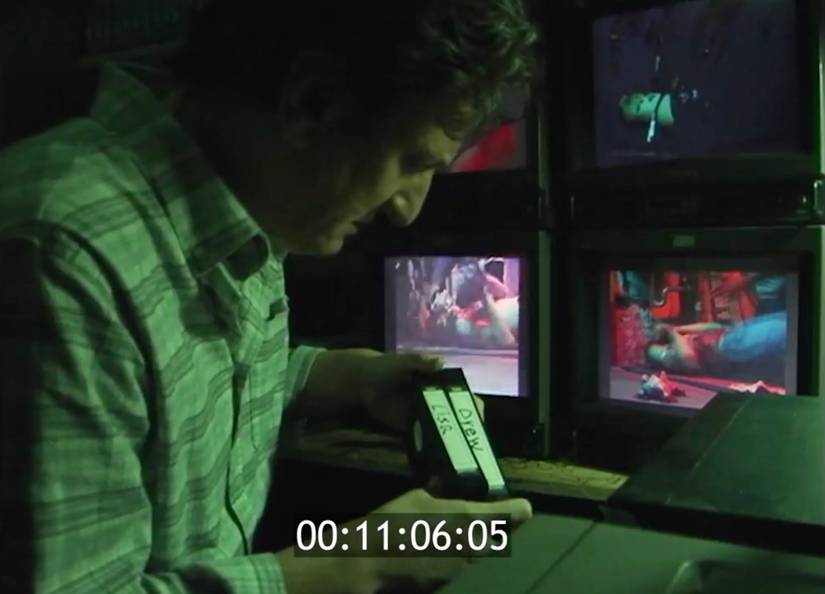
Alex Ross Perry: There’s a frame in Kidprint where our protagonist sits before a bank of four monitors, each playing a different, edited tape. It’s a single image that encapsulates the movie’s energy. It looks simple, but synchronizing four independent clips across monitors took meticulous planning — days of prep to make it read naturally.
Micheline Pitt: My favorite was the witch’s flight sequence. I performed it and it was an almost-impossible physical beat to accomplish — we nailed the marks in only two takes and that made me proud.
Zlokovic: One continuous run in my segment follows a group through stairs, a playroom, and then a chaotic finale — all one sustained shot. The first takes were awful, but once the rhythm arrived, it felt immediate and raw in a way that editing couldn’t have created.
Bryan M. Ferguson: For Diet Phantasma, the moment the little boy bursts against the glass was the one that delivered the catharsis I wanted. We only had a few chances with the practical rig, and we got it on the last reset of the day — it landed perfectly.
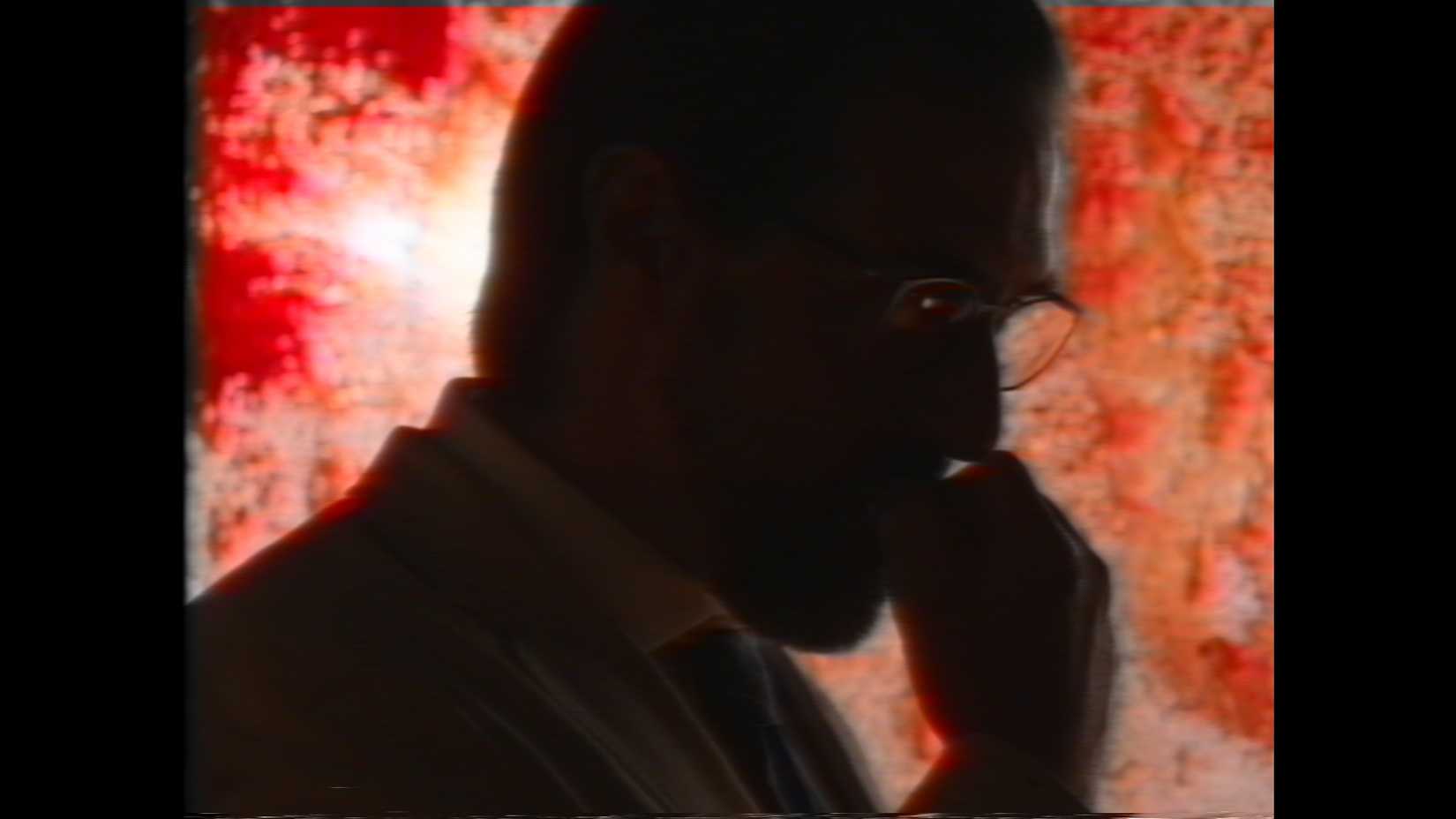
Casper Kelly, director of “Fun Size”: I love the final conveyor-belt sequence — it’s incongruous and ridiculous in the best way. It always makes me laugh.
Paco Plaza: My proud moment was the practical gag where a boy vomits out prosthetic eyeballs. The actor handled the physical demands with impressive skill and we had a blast shooting it.
V/H/S Halloween is streaming on Shudder now.
Source: Polygon
Related articles
 Lilly Wachowski disavows involvement in the new “Matrix” film
 Kane Parsons to Return to The Backrooms
 First Emmy Award Winners Announced
 Robert Pattinson calls ‘The Batman’ sequel ‘radical’
 A24 to release documentary on Elizabeth Holmes
 Nolan’s “Oppenheimer” Surpasses “Spider-Man” at the Box Office
 Natalie Portman Becomes a Mother for the Third Time
 Zach Cregger Will Not Direct Franchises After “Resident Evil”