Update June 26, 2024
Enhanced Discovery Features
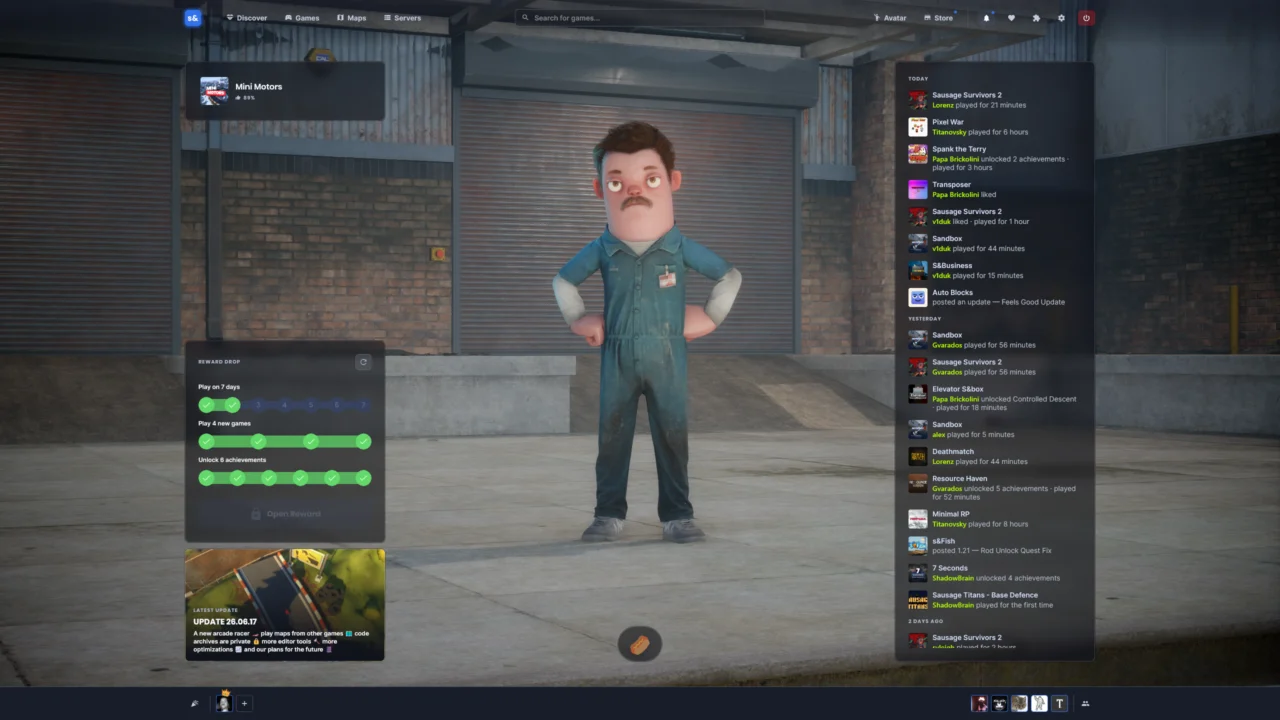
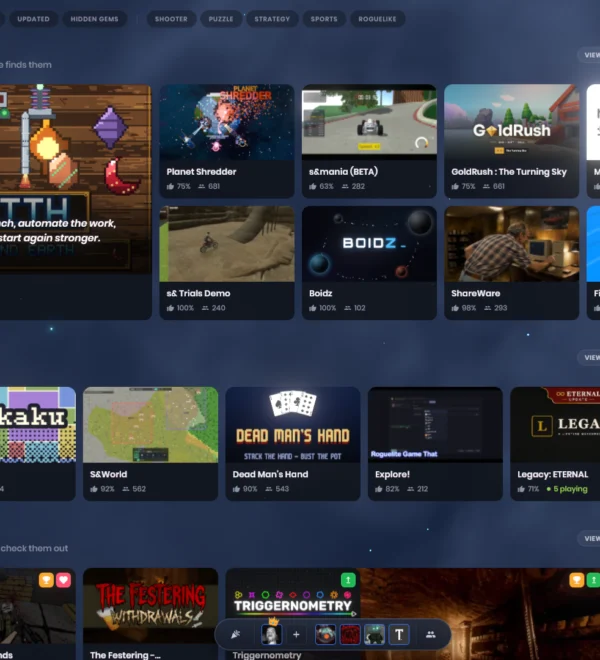
We’ve overhauled the menu homepage to help you find content more effectively. On the right, a new social feed displays your friends’ interactions with games, provided they aren’t marked as private on Steam. In the top-left spotlight, we’re curating a rotating selection of new and overlooked titles to give hidden gems the attention they deserve.
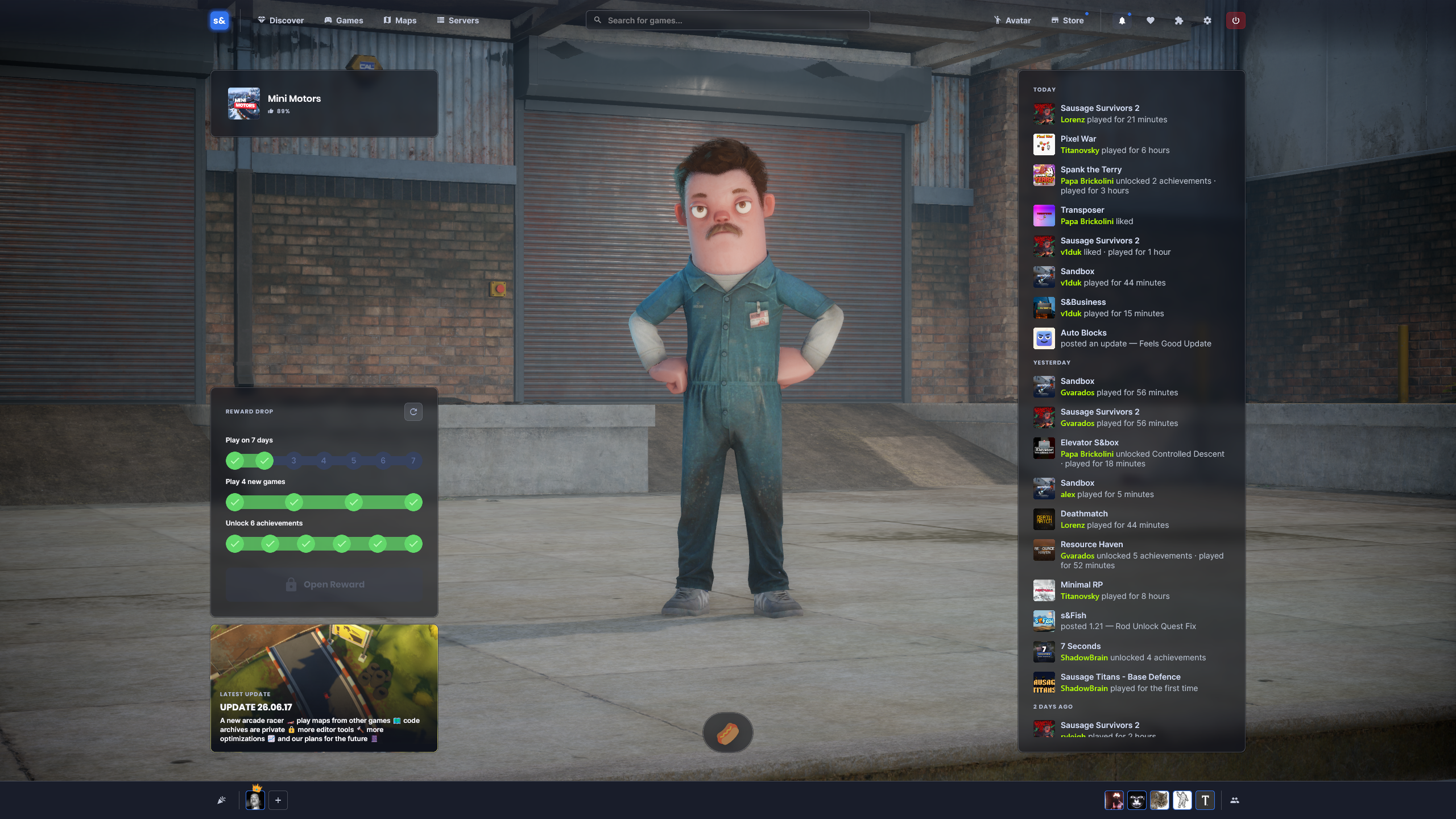
The “Games” tab previously defaulted to the most popular titles, which I felt stifled variety. To address this, we’ve shifted to a category-based view that we can manage directly from the backend, allowing for a more dynamic and browsable experience.
Expanded Rust Asset Library
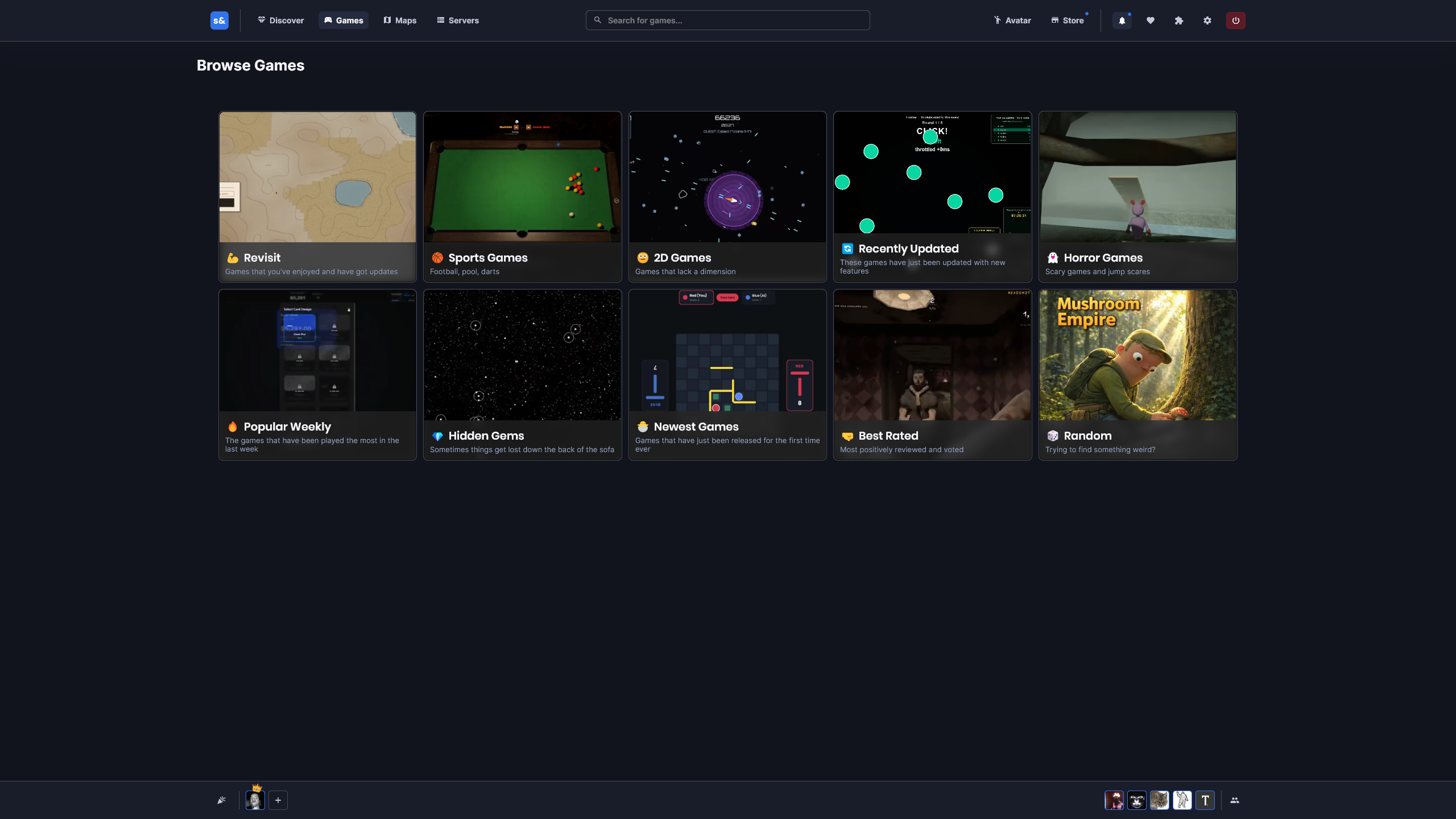
We are continuously integrating more Rust content into the platform. This is an ongoing process of refining our import pipeline, but you will find a significant increase in available models and audio files ready for use.
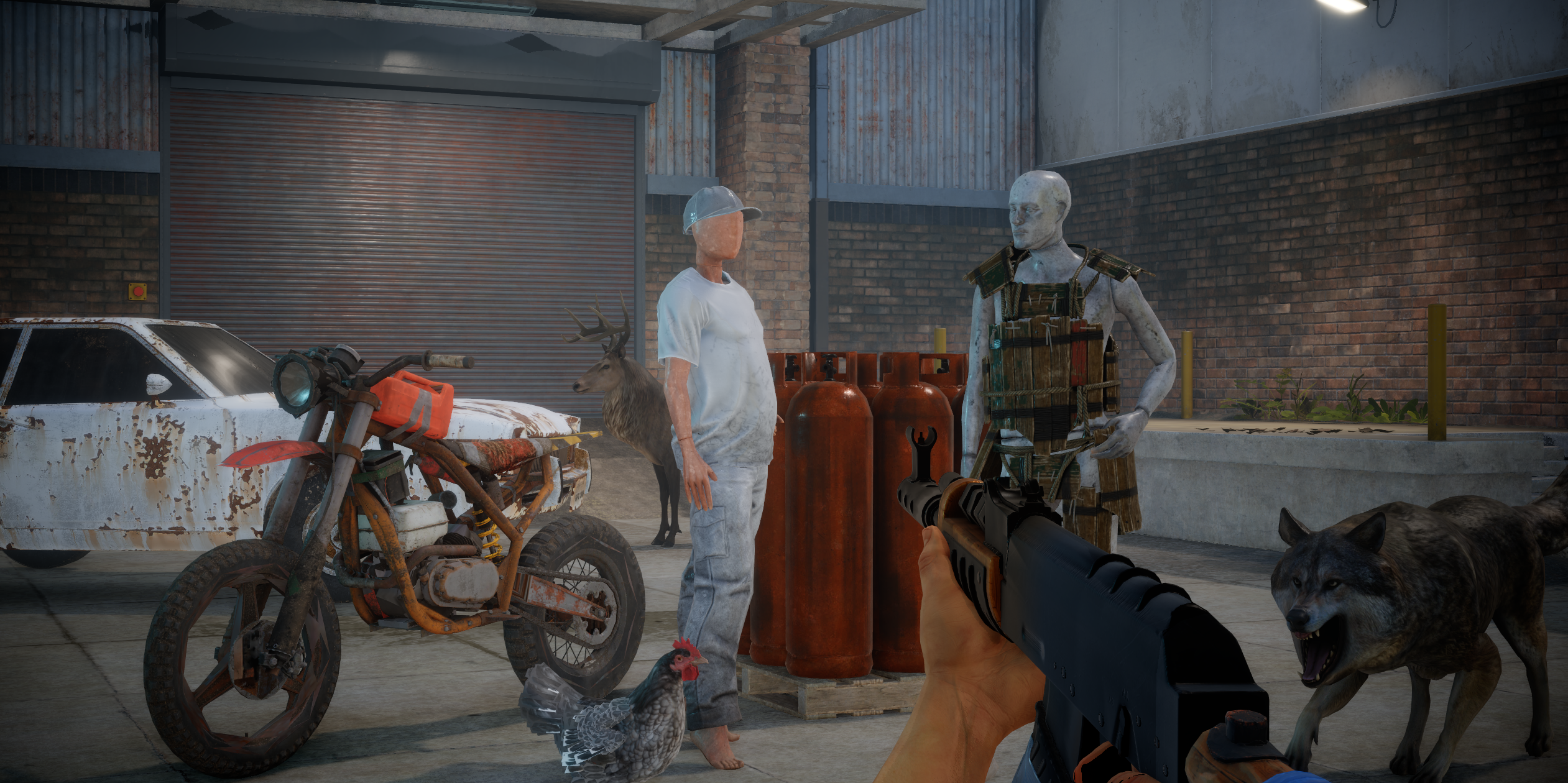
These assets are free to use in your games and addons—you can even enable Play Fund support for them. I’m eager to see how the community utilizes these assets; perhaps someone will even attempt a Rust recreation within s&box. Explore the collection here.
Resource Compiler Refinements
While importing Rust assets, I encountered several bottlenecks in the resource compiler. I’ve overhauled these systems to ensure stability:
- Resolved crashes during texture compilation when
cs_compress_dxt5failed to load. - Fixed null-reference crashes triggered by missing or malformed animgraphs.
- Addressed NREs in the asset publish widget and cleaned up issues with duplicate or null asset inputs.
- Corrected faulty search paths that were misidentifying material shader references.
- Fixed an issue where child resources were being incorrectly flagged as generated.
Mass-publishing thousands of assets also highlighted validation gaps, which we’ve now addressed:
- Identifier Cleaning: Ident generation now converts accents to standard ASCII and replaces separators with underscores to preserve readability, appending a short hash when trimming is required.
- Validation: Corrupt or invalid stored idents are now automatically regenerated.
- Metadata: Titles are cleaned of illegal characters (tabs/line breaks) and capped at 64 characters instead of 32.
- Batch Processing: The asset inspector and sound-file compiler now support multi-selection for streamlined batch editing.
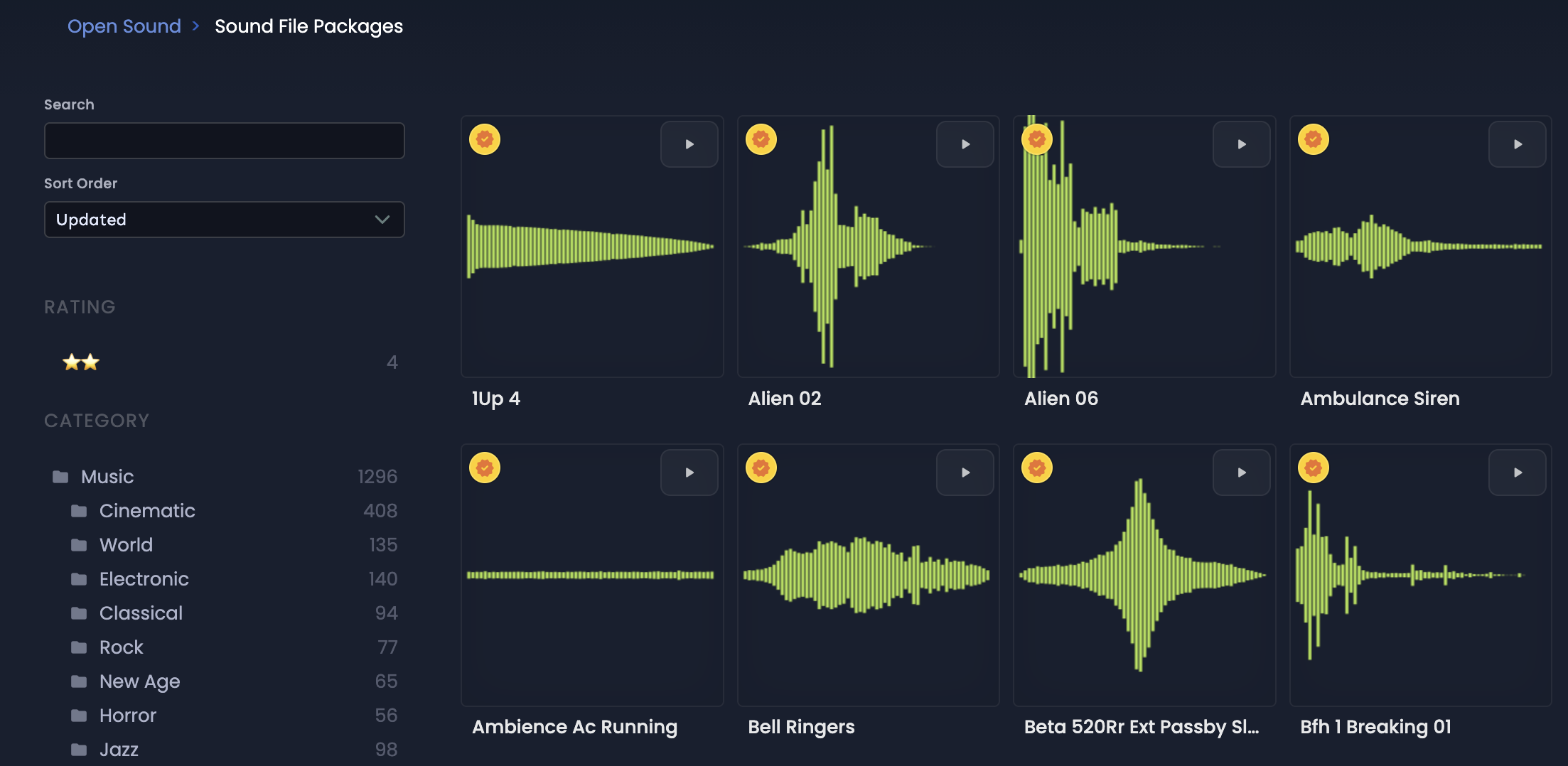
CC0 OpenSound Library
To make high-quality audio more accessible, I’ve launched a dedicated organization: OpenSound. Here, you’ll find a massive collection of CC0-licensed sounds ready for your projects, including a vast library of royalty-free music by Kevin MacLeod (licensed CC-BY). You can now preview these files directly within the browser.
Advanced License Tracking
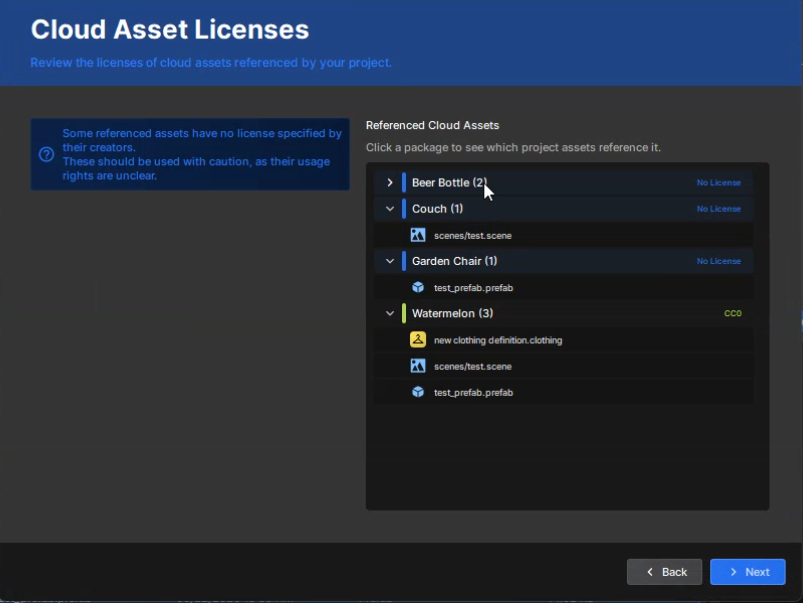
The Cloud Asset Licenses page has been updated. You can now click on any asset in your usage list to view exactly which local files are referencing it, making asset management significantly more intuitive.
Auto LOD Material Culling
Our Auto LOD system now supports material swapping and culling during level-of-detail generation. You can now remove or replace specific materials at distance, which is an excellent way to reduce draw calls by shedding unnecessary detail on distant objects.
Engine Performance Optimizations
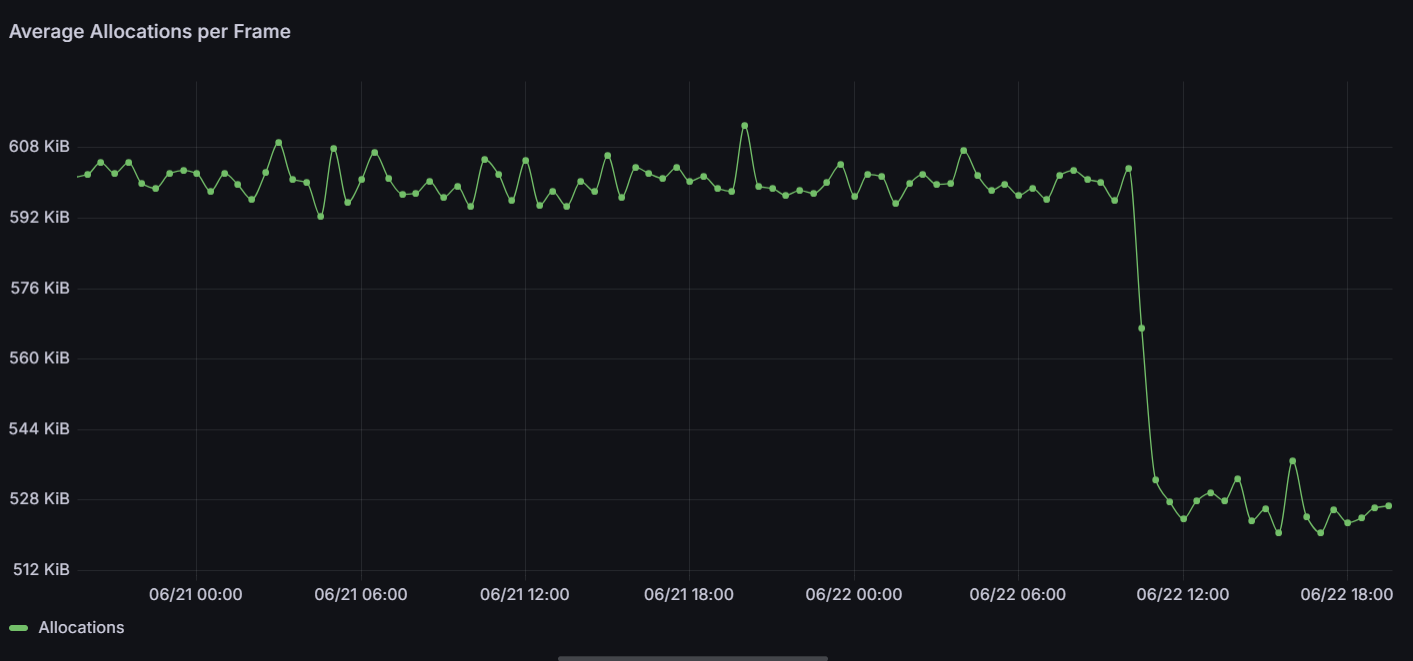
We’ve reduced per-frame memory allocations engine-wide. Benchmark testing shows an average reduction of 100KB per frame. While high-end machines will see modest gains (1-3%), lower-end hardware may experience performance improvements up to 30% in specific scenarios. You can now run these performance benchmarks directly from the in-game Developer settings.
Tooling & Stability Improvements
- Sprite Editor: Added support for start/end loop points to facilitate complex animations.
- Prefabs: Resolved instability issues with nested prefab structures, specifically regarding ID tracking and reparenting logic.
- Terrain Tools: Significantly upgraded with brush shortcuts, rotation support, a larger 2048px maximum size, and the ability to paint without selecting the object first.
- Video Player: Added native controls, including volume memory, click-to-pause, and hover-activated interfaces.
- Shadows: Re-integrated receiver plane depth bias to mitigate shadow acne on cascaded, point, and spot lights.
Shader Performance Analysis
We’ve integrated static analysis tools into our pipeline to aggressively optimize shader performance. By leveraging professional-grade analysis tools, we identified a long-standing performance leak where an unused area-light shading path was silently taxing our forward-lighting shaders. Removing this dead code resulted in a 26% speed increase for our 4K lit passes. Moving forward, we are integrating these analysis tools into our CI/PR workflow to catch performance regressions—such as excessive register pressure or occupancy limits—before they ever reach production.
 Rethinking
 Neck and Neck
 Update 26.09.15
 Update 26.09.08
 Update 26.09.01
 Update: August 26, 2019
 Update 26.08.05