
Two Decades Later, Final Destination’s Most Divisive Installment Finally Makes Sense
While Final Destination 3 is rarely cited as the pinnacle of the series—an honor usually reserved for the original’s groundbreaking premise or the sequel’s traumatizing highway pileup—it remains a cherished horror staple. The film moves at breakneck velocity, leaning into dark humor and imaginative fatalities that make it a perfect choice for rowdy watch parties. It also marked a turning point for the IP. Where the first two entries were steeped in the grim inevitability of fate, Final Destination 3 pivoted toward high-concept spectacle. This approach provided immediate thrills but eventually led to a period of creative fatigue, a cycle that wasn’t broken until Final Destination: Bloodlines arrived in 2025, successfully merging the atmospheric dread of the early films with the crowd-pleasing energy of the later installments.
Premiering on February 10, 2006, six years after the franchise first introduced audiences to the lethal price of cheating fate, Final Destination 3 opens with one of the most effective premonitions in horror history. High schooler Wendy Christensen (portrayed by Mary Elizabeth Winstead) envisions a catastrophic roller-coaster derailment, managing to evacuate herself and a group of classmates just seconds before disaster strikes. While the setup follows the established blueprint, returning director James Wong bypasses redundant exposition regarding the “rules” of Death. Instead, he prioritizes kinetic action and macabre irony. By focusing on the choreography of mortality rather than its philosophical weight, Final Destination 3 cemented the franchise’s shift into the realm of the “spectacle slasher.”
Even if it isn’t the most critically acclaimed entry, Final Destination 3 excels in its sheer rewatchability. The narrative avoids getting bogged down in repetitive paranoia or the characters’ attempts to decode the grand design. Having already established the lore in previous films, Wong utilizes the runtime for elaborate set pieces, ranging from the iconic tanning bed disaster—which pays homage to I Still Know What You Did Last Summer—to a visceral encounter with a nail gun.
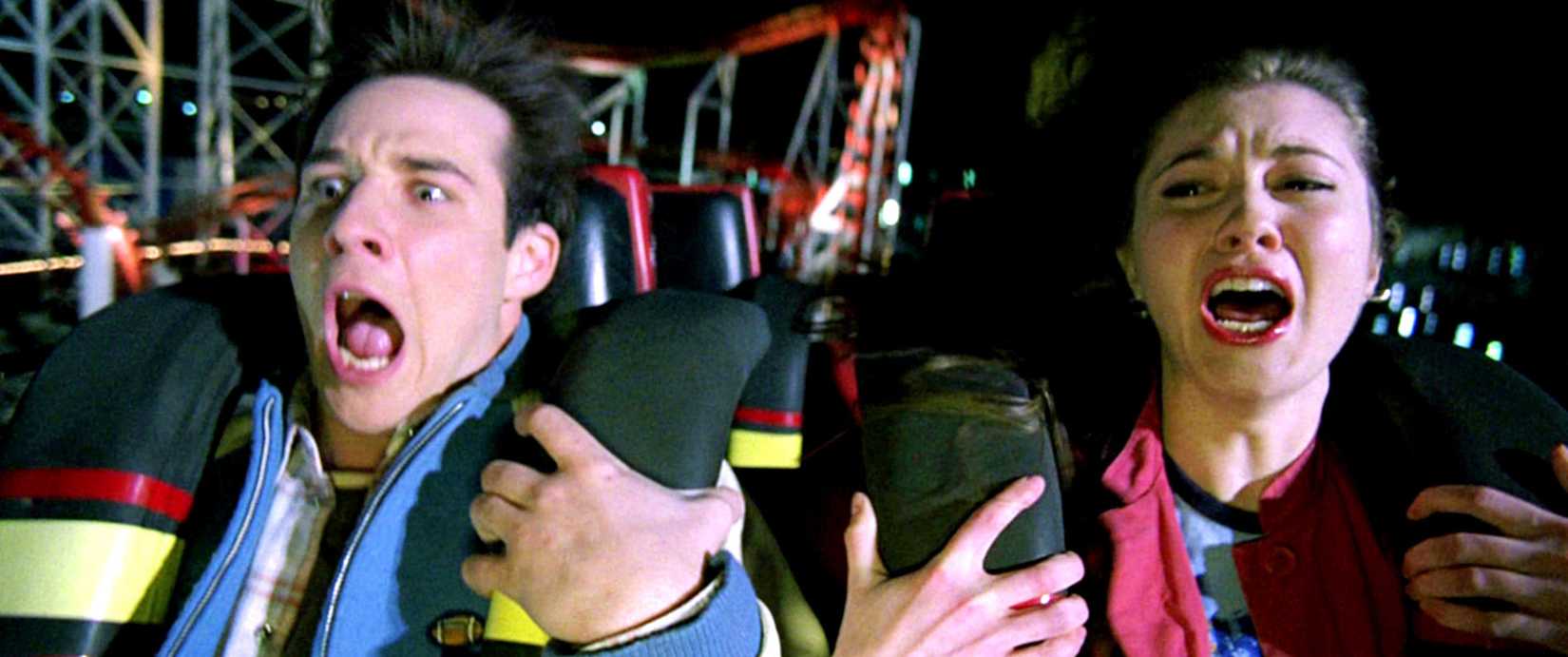
Nearly twenty years later, Final Destination: Bloodlines revitalized the series by capturing the essence of both its horror roots and its popcorn-flick evolution. The film kicks off with a breathtaking sequence involving a luxury restaurant’s grand opening atop a skyscraper, which quickly spirals into a symphony of violence before being revealed as a vision. Iris (Brec Bassinger) witnesses the carnage and intervenes. However, decades later, it is revealed that Death isn’t just pursuing the initial survivors—it’s hunting their descendants, individuals who were never meant to be born. Bloodlines succeeds because it respects its narrative stakes while delivering the over-the-top sequences fans crave, including a particularly gruesome MRI-related fatality. It restores the sense of pattern-spotting paranoia that made the early entries so tense, while honoring the inventive spirit of the third film.
The Poly Report: Insights for the Informed Gamer
The Final Destination brand is most effective when it finds the sweet spot between narrative tension and the creative execution of its characters. James Wong, the visionary behind both the original and the third installment, understood these conflicting demands well. Bloodlines indicates that the franchise’s future lies in its ability to reconcile the gravitas of its beginnings with the dark, playful energy that made Final Destination 3 a lasting fan favorite.
Source: Polygon
Related articles
 EA Has Acquired and Later Closed Multiple Studios, Full List Shows
 Sony Steps Up Crackdown on PS5 Hacking, Putting Users’ PSN Access at Risk
 Xbox One Version of Minecraft Launched on iPhone
 Wo Long 2 Testers Report Problems, With Half of Participants Voicing Complaints
 Xbox Misses Revenue Target for Fifth Time in Six Years
 First Details Emerge on EA’s Mysterious Project Gridiron
 GameMaker Engine to Become Free for Everyone
 Clayface Tops Box Office Weekend, Giving Skydance Its Second Straight Win